
Abissa is the iconic festival of the N’Zima Kotoko people, held every year in Grand-Bassam, Ivory Coast, between October and November. More than a cultural event, Abissa is a ritual of renewal, featuring sacred drumming, vibrant dances, and social satire that transform the city into a stage of tradition and unity.
If you plan to travel to Côte d’Ivoire, experiencing the Abissa festival is a must for an authentic cultural immersion.
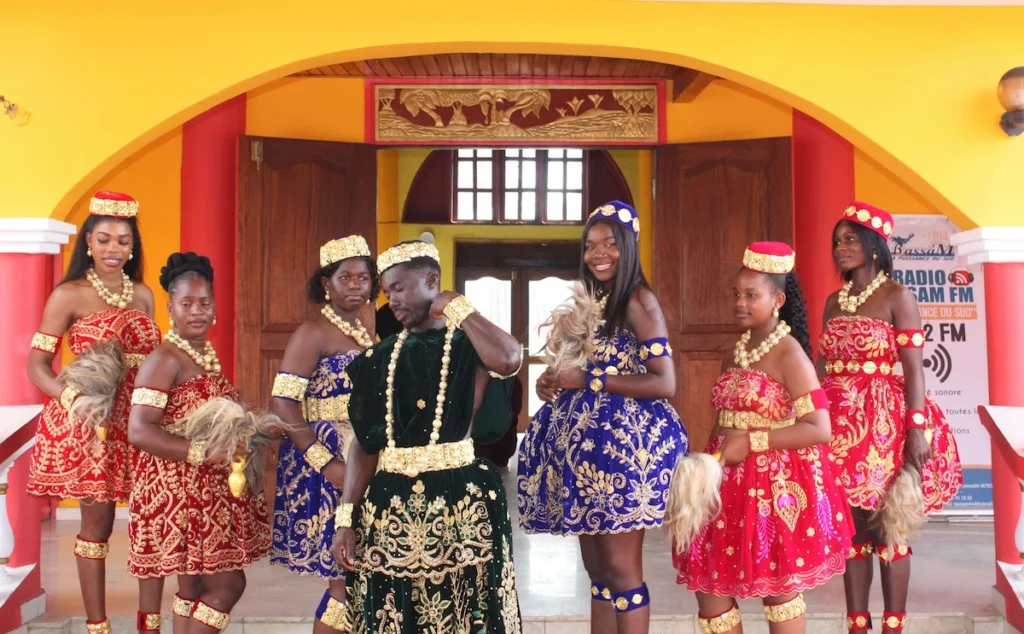
What is Abissa Festival? A living tradition
Abissa marks the New Year of the N’Zima community, inherited from Akan traditions. For two weeks, Grand-Bassam becomes a space of freedom and celebration, blending rituals, music, and social cohesion.
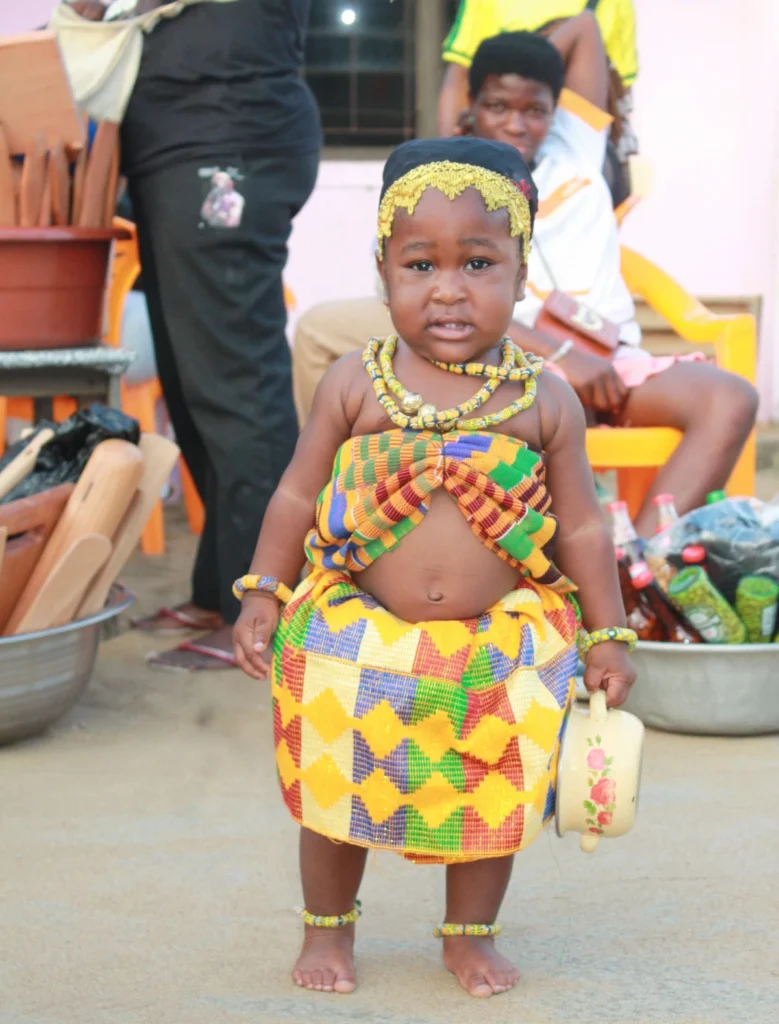
Core values of Abissa:
- Purification and Renewal – reconciliation and reflection on the past year
- Freedom of Expression – public criticism and satire
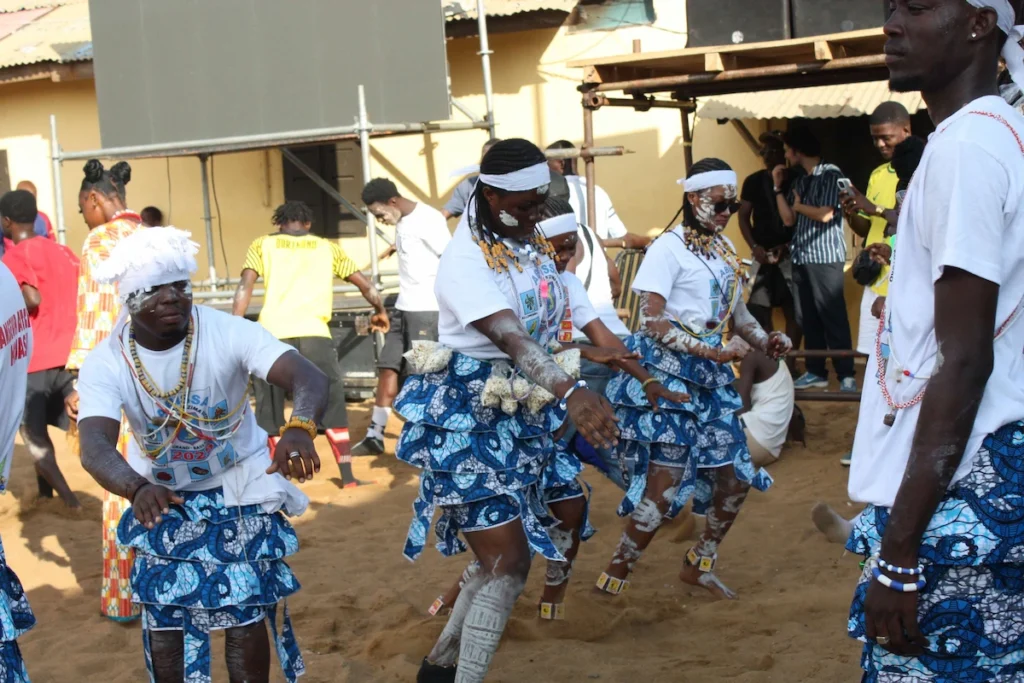
- Live Performances – traditional costumes, dances, and drum rhythms
📚 To learn more, read the academic study:
The traditional Abissa folk festival among the N’Zima Kotoko of Côte d’Ivoire: analysis and perspective – Pierre Kouakou TANO
Abissa 2025 Official Program and Highlights
The last Abissa festival took place from October 5 to 19, 2025 in Grand-Bassam. The first week, called the “week of silence,” is celebrated without drums or music: it is dedicated to honoring ancestors. The second week is the “Gouazo”, during which the N’Zima meet in the Plaza de l’Abissa to dance. The program and highlights were:
- Sunday, October 12 : Drum launch, start of festivities
- Monday, October 13 : Youth Day
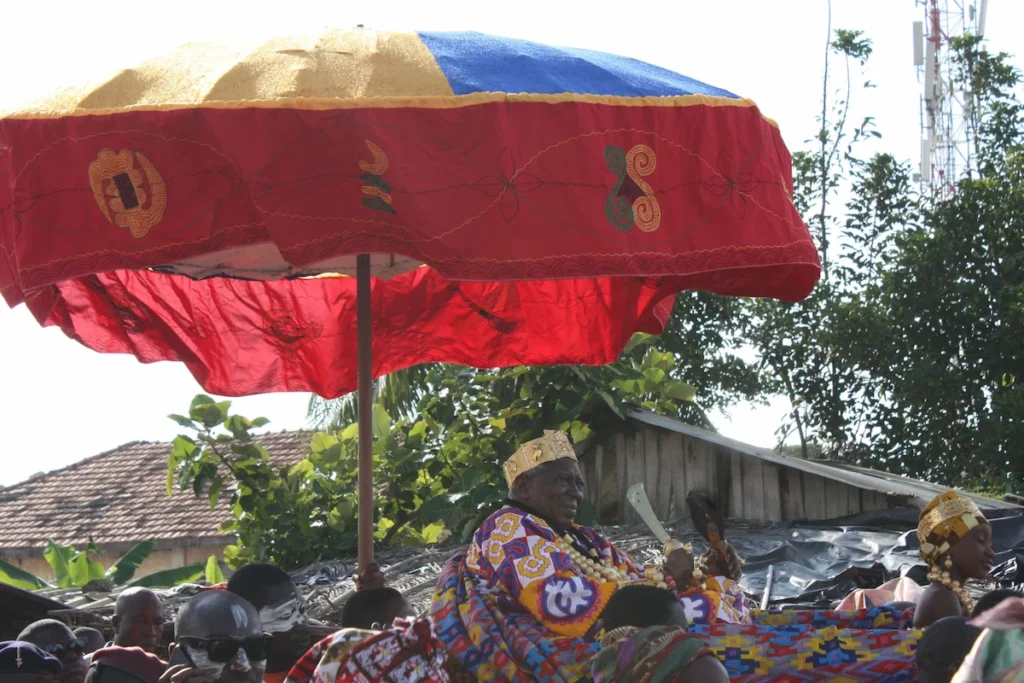
- Tuesday, October 14 : the King’s first outing
- Wednesday, October 15 : Women’s Day
- Thursday, October 16 : Executives’ Day
- Friday, October 17 : Village Chiefs’ Day
- Saturday, October 18 : second departure of the King (highlight)
- Sunday, October 19 : apotheosis and final dance
In the Abissa square, dance circles form around the King, to the rhythm of the drums until the end of the afternoon.
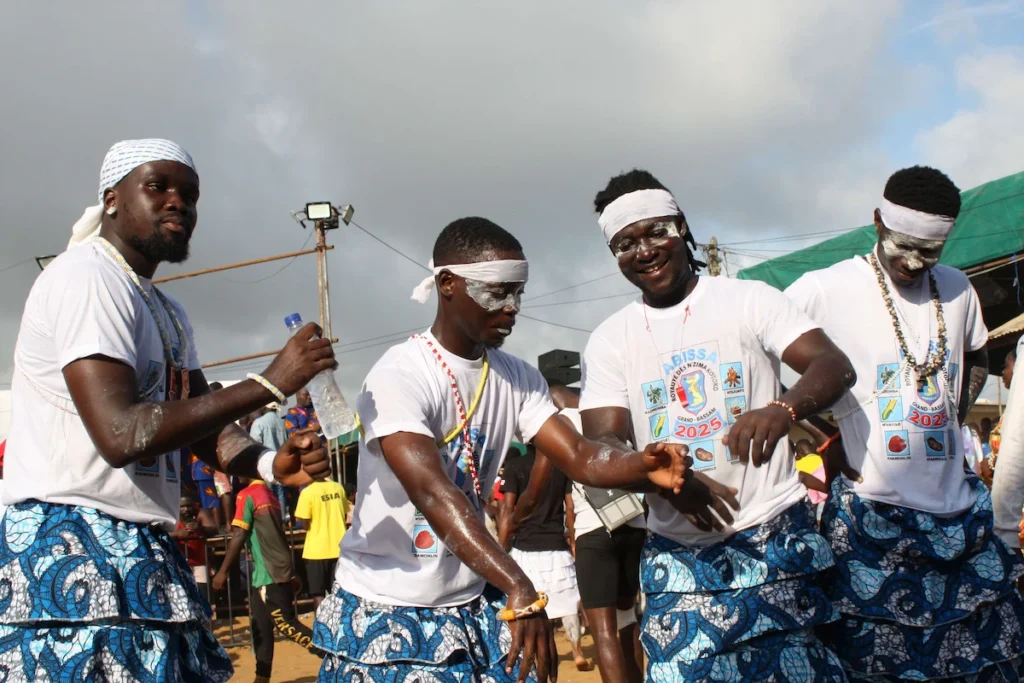
To prolong the evening, there is a gastronomic area dedicated to visitors. Festive atmosphere guaranteed, especially for young people! If you’re looking for a quieter cultural immersion, enjoy the day and dinner at renowned restaurants such as La Case Bleue or Le Mouton de la Pizza.
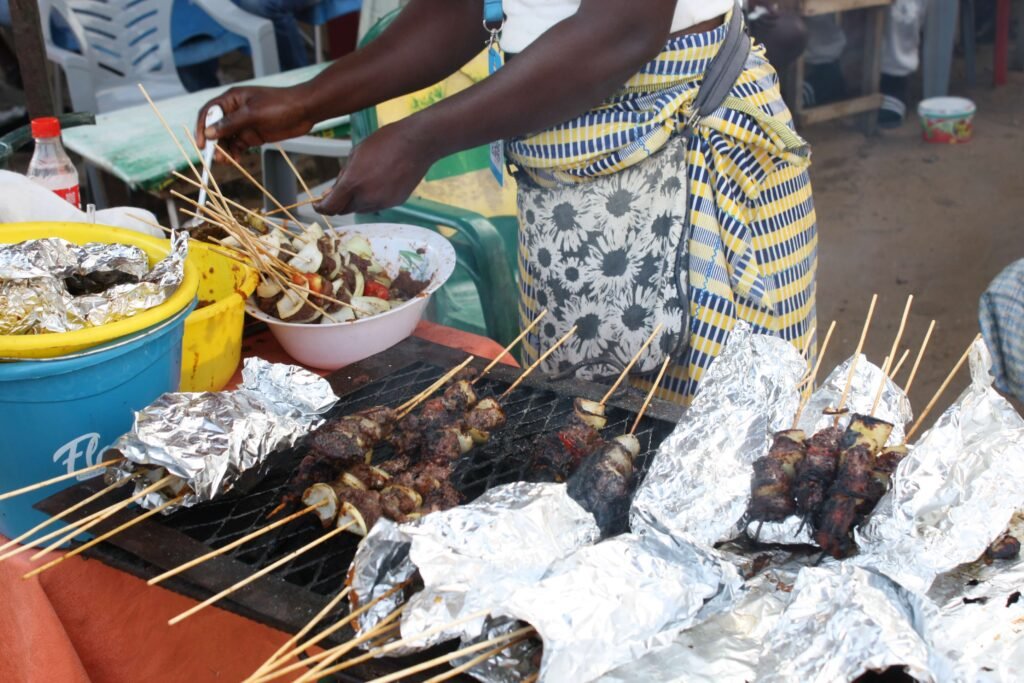
However, if you want to have a snack during the day, you will also find areas that offer traditional food, such as spicy skewers of beef, fish, alloco, attiéké, etc.
Main activities of the festival
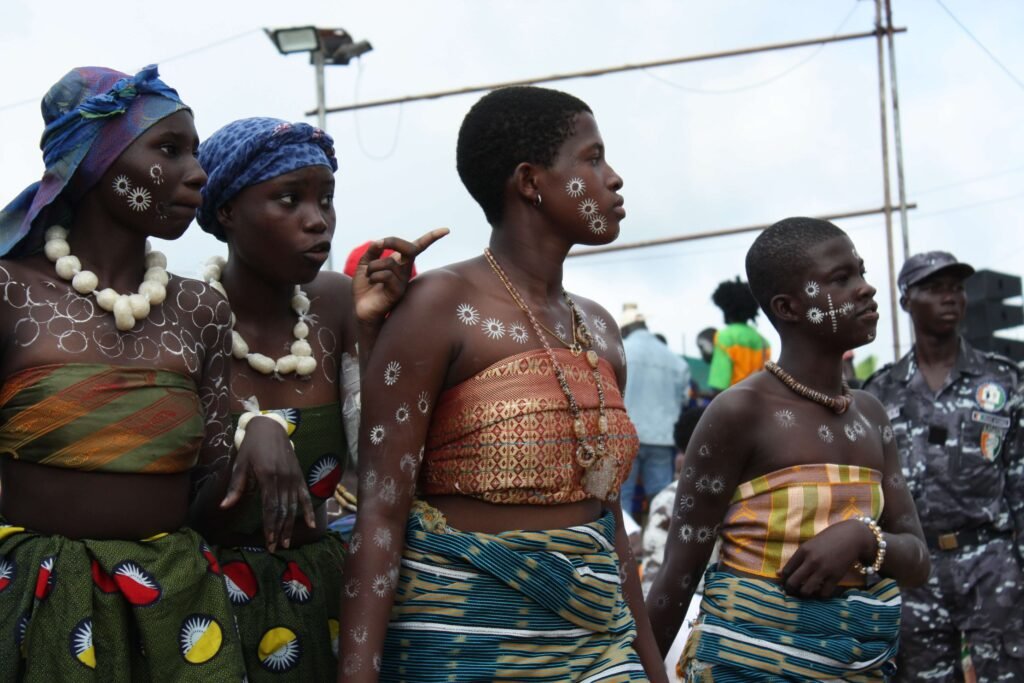
The Abissa festival is an explosion of colors and sounds, with a multitude of activities that captivate and enchant the participants. Among the most anticipated activities are traditional dance performances. The dancers, dressed in all kinds of costumes, perform choreographies to the rhythm of the drums. These dances tell ancestral stories and celebrate the deeds of local heroes, while showcasing the grace and virtuosity of the performers.
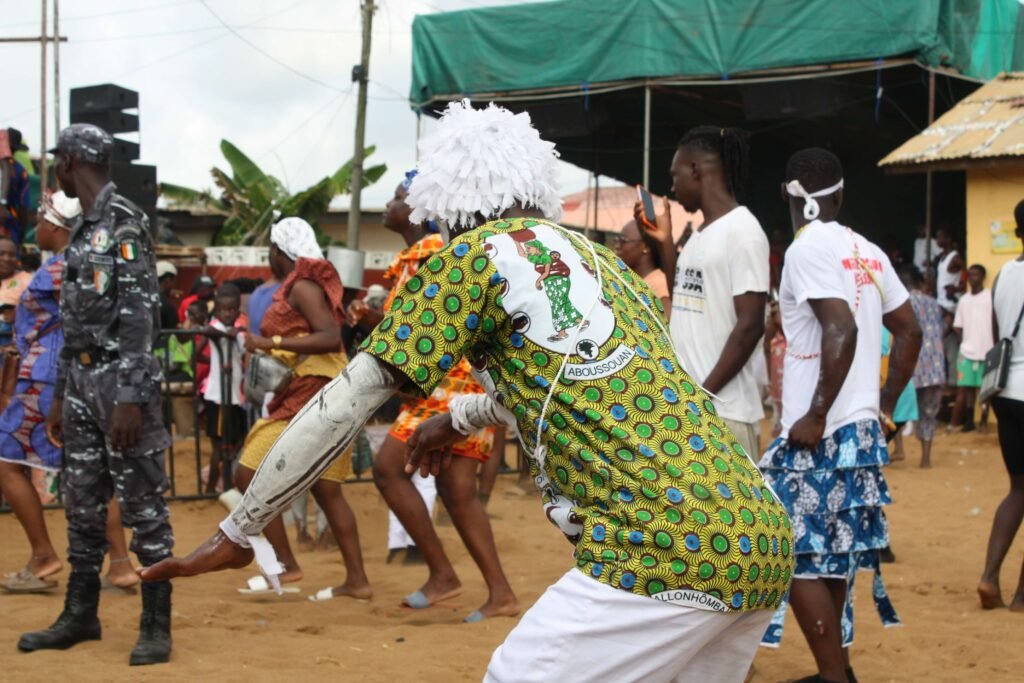
Another highlight of the festival is the parade of traditional costumes. The participants, proudly dressed in their best clothes, parade through the streets to the cheers of the public. Each costume tells a story and reflects the cultural identity of the wearer.
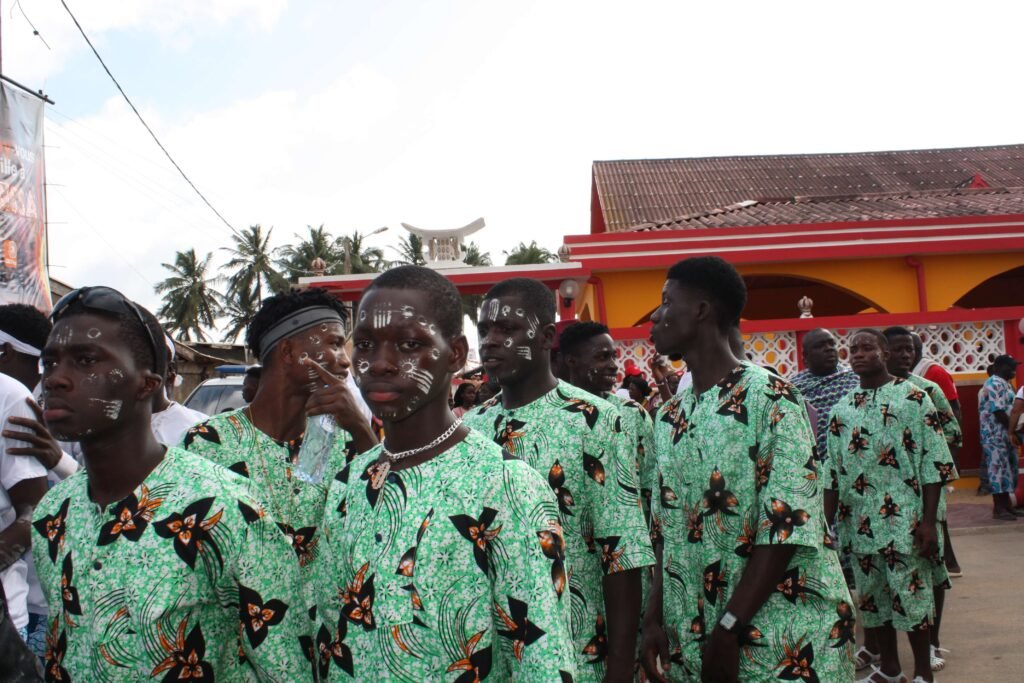
This parade is not only a tribute to the richness of local crafts, but also a demonstration of the pride and diversity of the N’Zima community. The costumes, often handmade from local materials, are a testament to the ingenuity and craftsmanship of Grand Bassam’s artisans.
The cultural importance of Abissa to the community of Grand Bassam
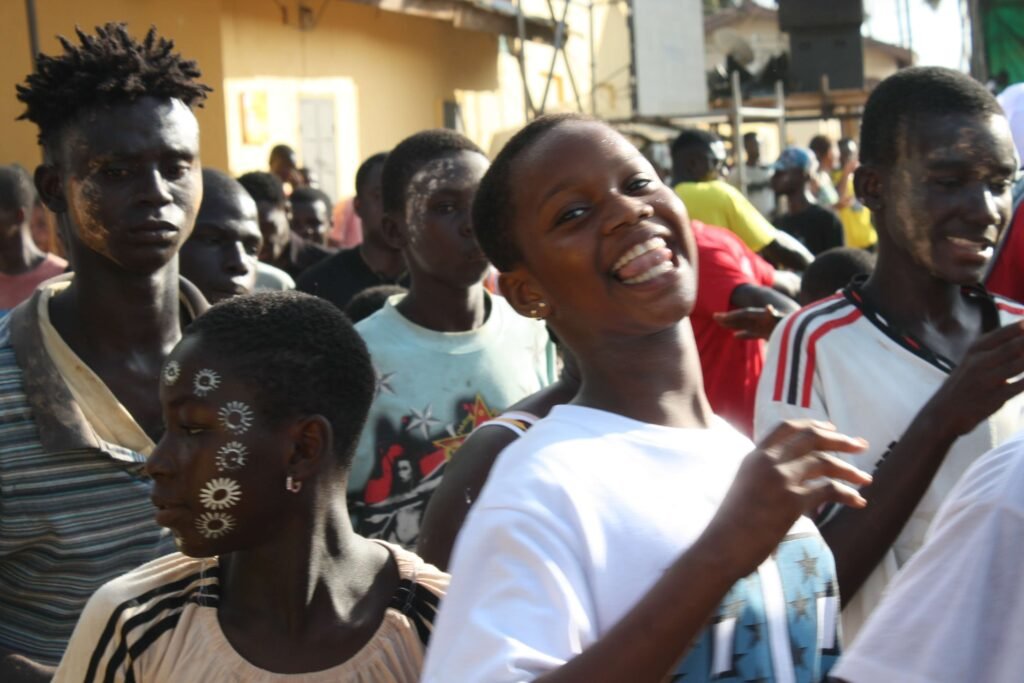
Abissa is much more than a party: it is a pillar of the cultural identity of N’Zima Kotoko and the city of Grand-Bassam. This annual celebration allows the community to reconnect with its roots, pass on ancestral values and knowledge to younger generations, and preserve a unique intangible heritage.
A true space for dialogue, the Abissa festival promotes social cohesion by bringing inhabitants together around shared rituals and activities. Differences fade, giving way to reconciliation, solidarity and harmony. This highlight of the year embodies peace, cultural continuity and the strengthening of community ties, contributing to the stability and influence of Grand-Bassam in Côte d’Ivoire.
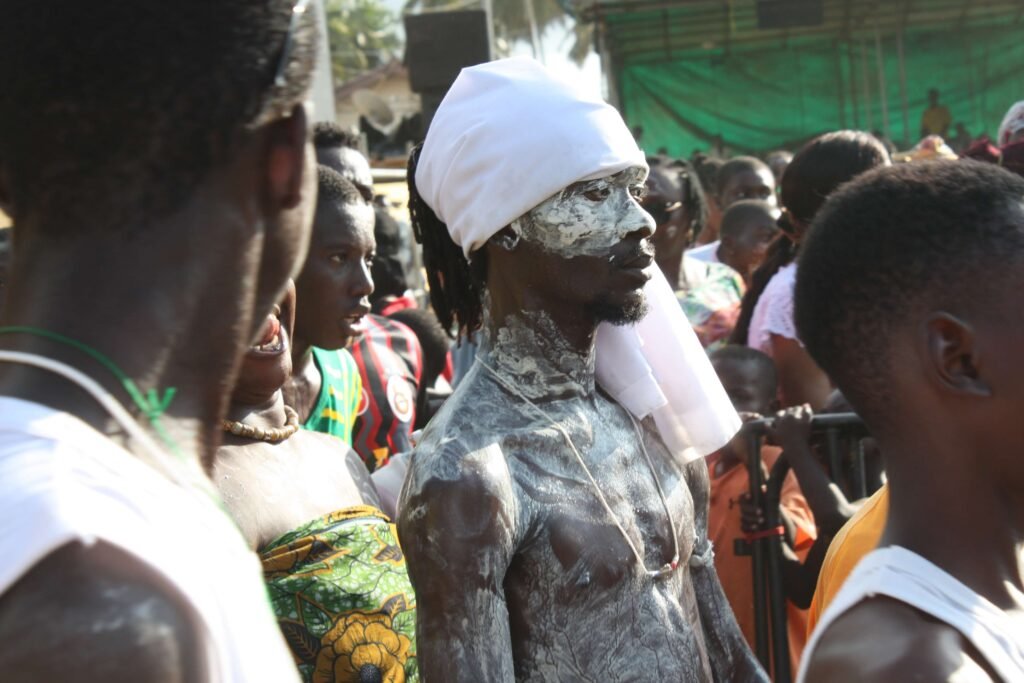
Economically, Abissa has a significant impact by attracting visitors and tourists to the region. The festivities generate income for local merchants, artisans, and service providers, boosting the local economy.
The markets and food stalls are occupied by visitors, who come to taste the delicacies of Ivorian cuisine and buy handcrafted souvenirs. For many residents of Grand Bassam, Abissa represents a valuable opportunity to promote their products and demonstrate their talent, contributing to the economic vitality of their community.