Abidjan is the economic capital of Ivory Coast (Côte d’Ivoire) and one of the most dynamic cities in West Africa. Known for its lagoon views, vibrant nightlife, modern skyline, street food, and creative energy, the city offers a completely different experience from traditional beach destinations in Africa.
After living in Abidjan for two years, I had the chance to experience the city far beyond the usual tourist attractions: its neighborhoods, daily rhythms, traffic jams, hidden restaurants, nightlife, local culture, and the warmth of its people. In this guide, I’ll share the best things to do in Abidjan, where to stay, practical travel tips, and local recommendations to help you experience the city like a resident rather than a tourist.
And as they say here… Akwaba — (welcome) to the land of hospitality!
Where is Abidjan
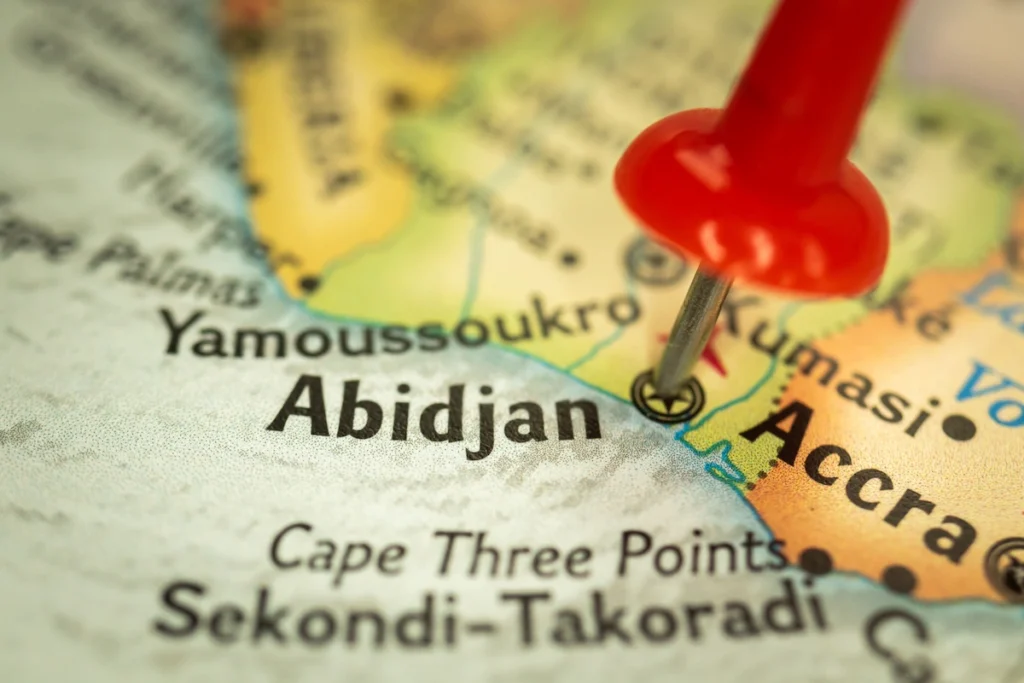
Abidjan is located in southern Ivory Coast, along the Atlantic coast of West Africa. Built around the Ébrié Lagoon, the city is the country’s main economic center and largest urban area, with more than 6 million inhabitants.
Abidjan is located approximately 235 km from Yamoussoukro, the political capital of Ivory Coast and 530 km from Accra, the capital of neighboring Ghana.
Why Visit Abidjan?
Abidjan is not a city that reveals itself immediately — it is a city you experience. Often called the “Pearl of the Lagoons” or “Babi” it stands out not for postcard-perfect sights, but for its contrasts, rhythm and constant movement.
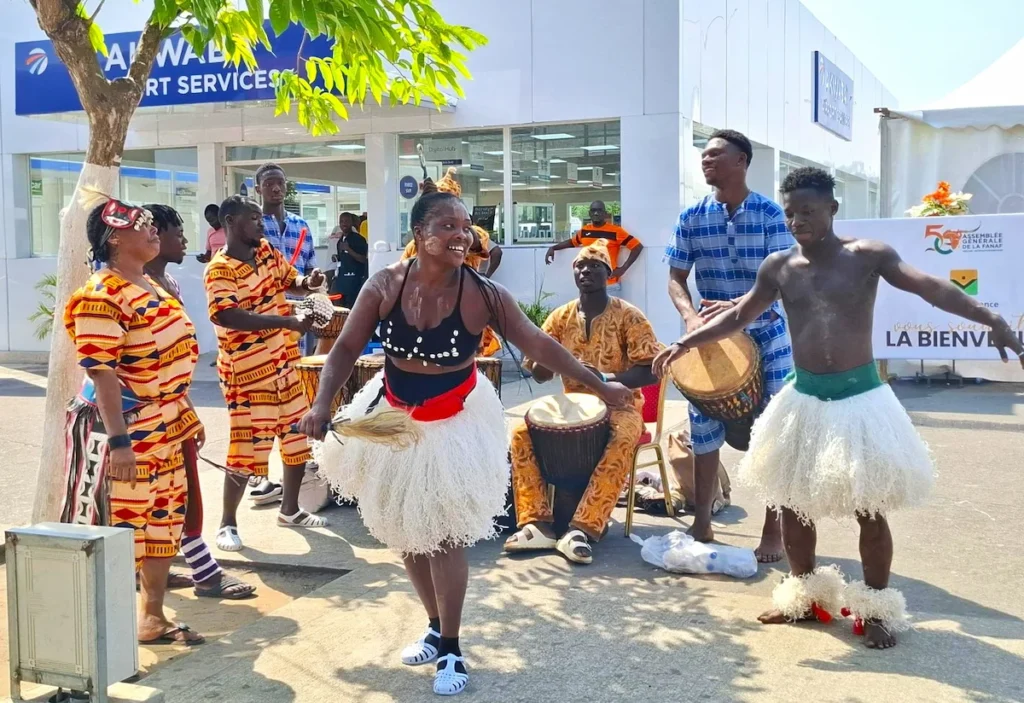
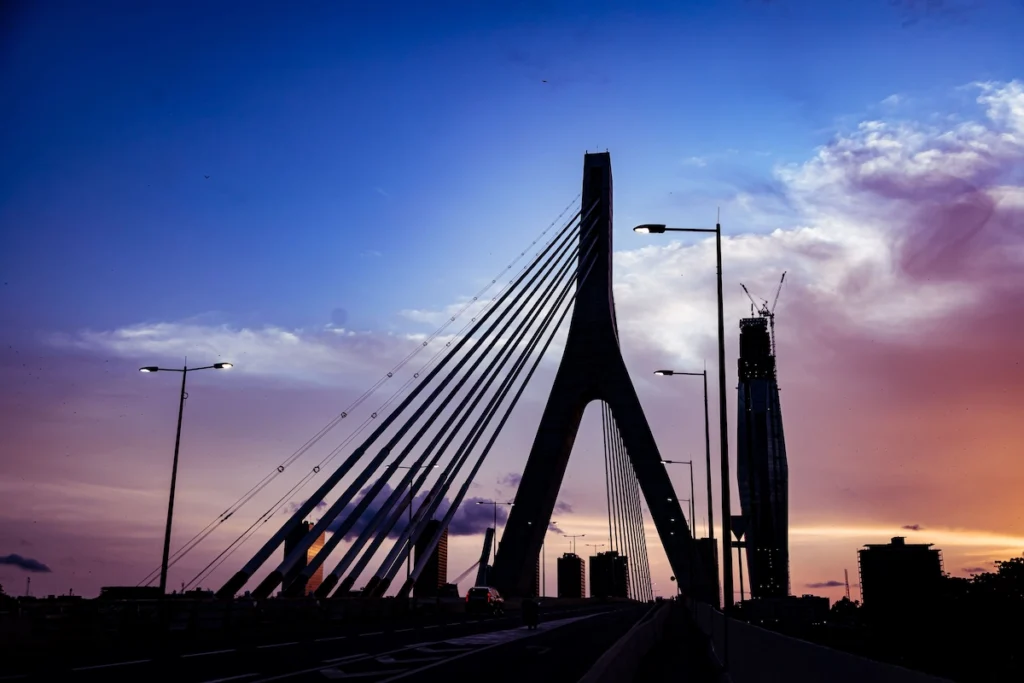
One moment you are watching dancers and live performers celebrating Ivorian music and culture, the next you are crossing one of the city’s modern bridges with the lagoon stretching wide beneath you. Abidjan lives in motion, and that energy is what makes it unforgettable.

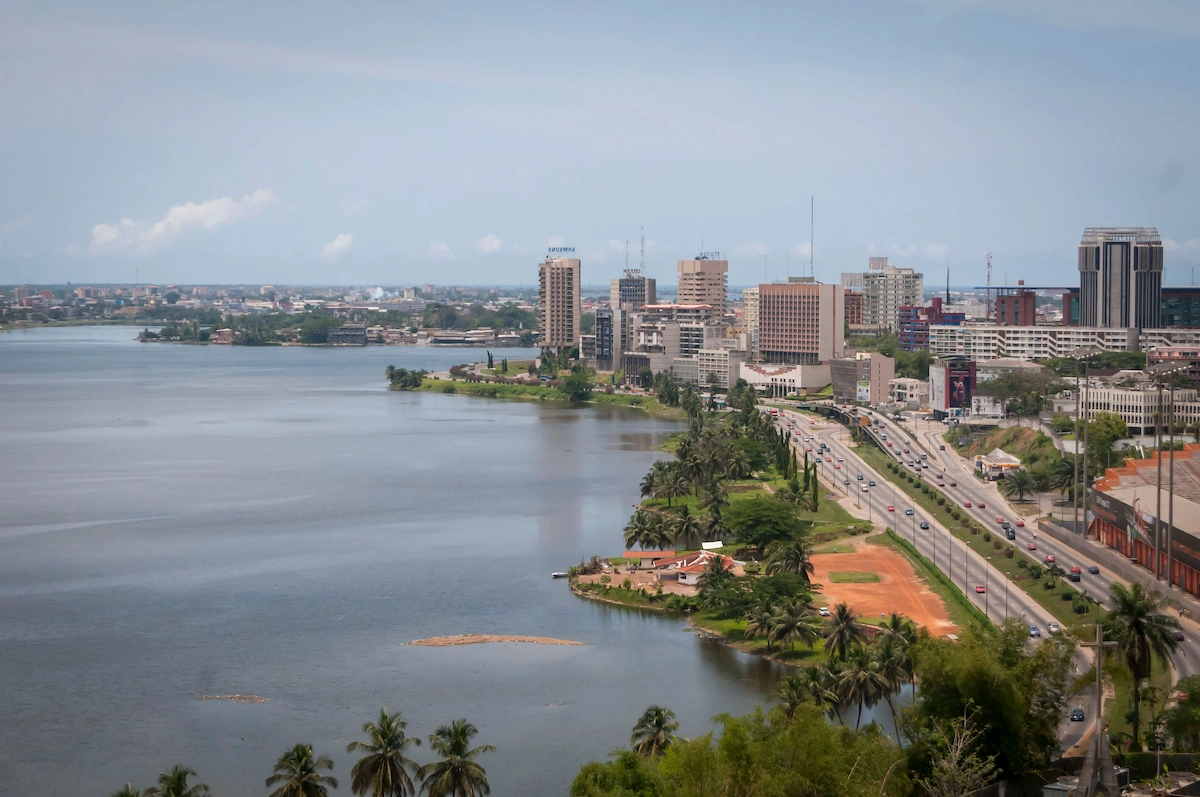
The city is also one of the fastest-growing economic hubs in West Africa. Its skyline, bridges and infrastructure reflect a city constantly evolving, while the lagoon shapes its geography and identity. Each district feels like a different city, connected by water, bridges and traffic flows that define everyday life.
Best Things to do in Abidjan
Abidjan offers a wide mix of experiences that reflect its unique identity as both an economic capital and a cultural powerhouse. From modern skyscrapers to lagoon views and hidden local spots, the city is best explored by moving between its different districts.
🔶 Explore Plateau, the Modern Heart of Abidjan
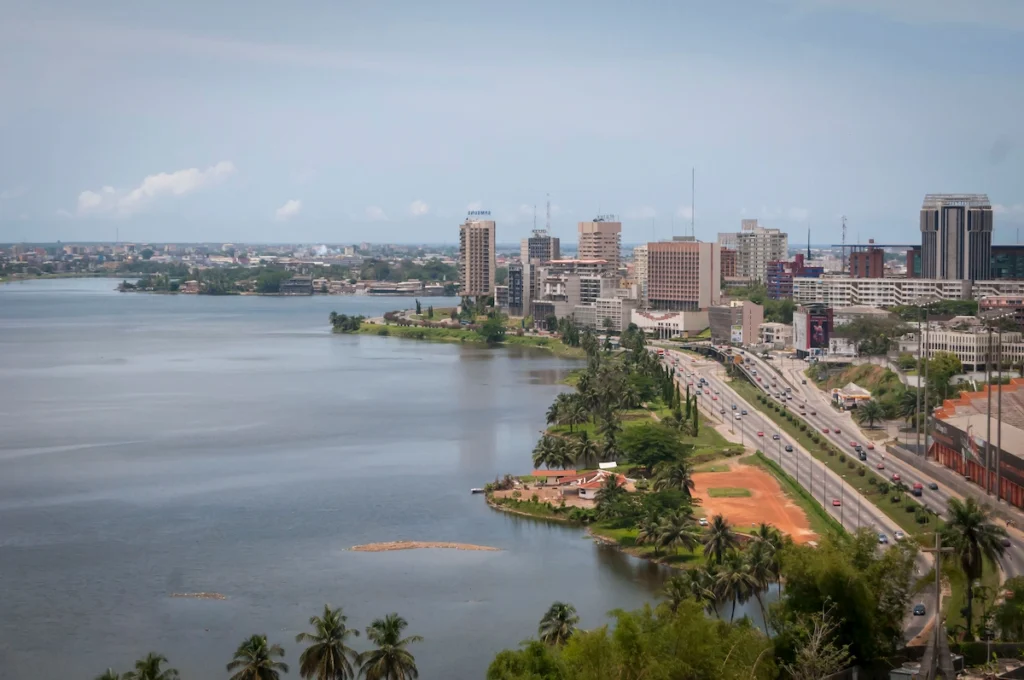
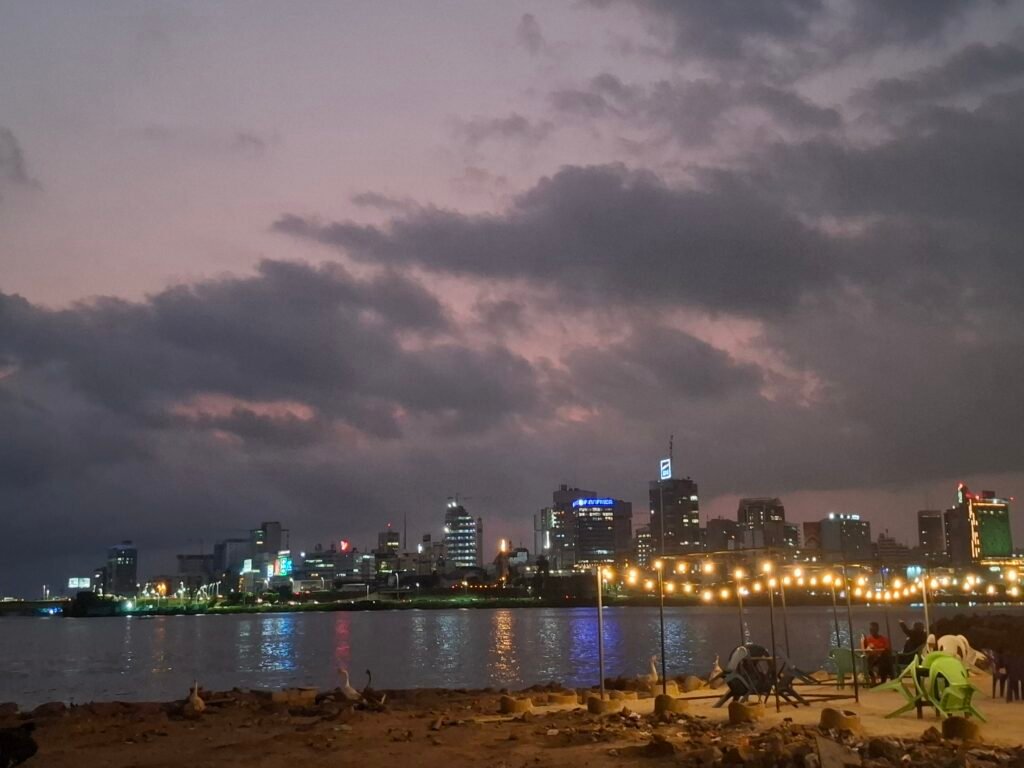
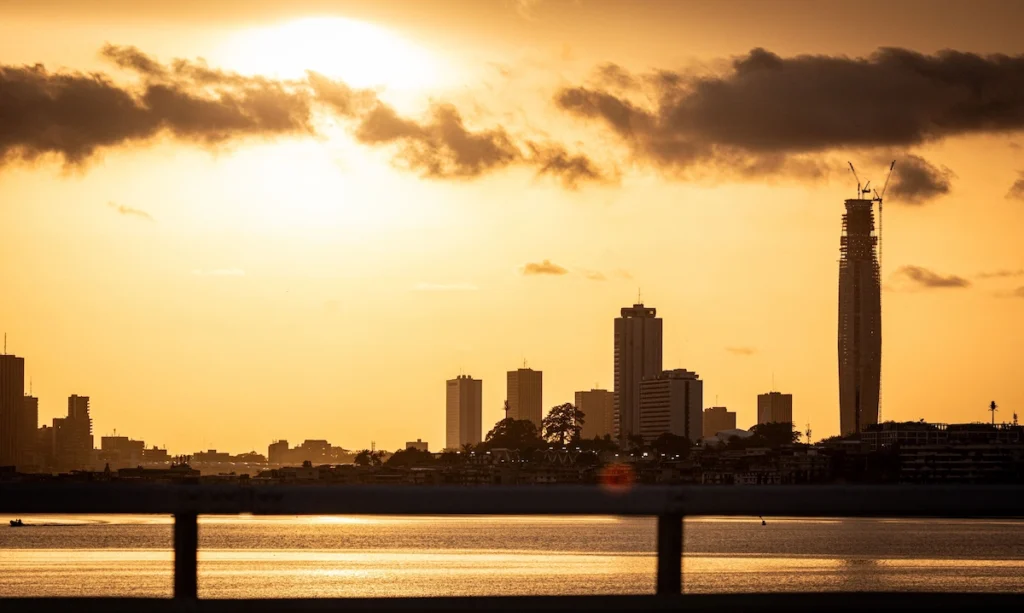
Plateau is Abidjan’s business district and the most modern face of the city. Often compared to a small African Manhattan, it is home to government institutions, banks, office towers and some of the most impressive skyline views in West Africa.
It is also one of the few neighborhoods in Abidjan where walking is relatively pleasant, especially around the large boulevards lined with modern buildings and administrative towers.
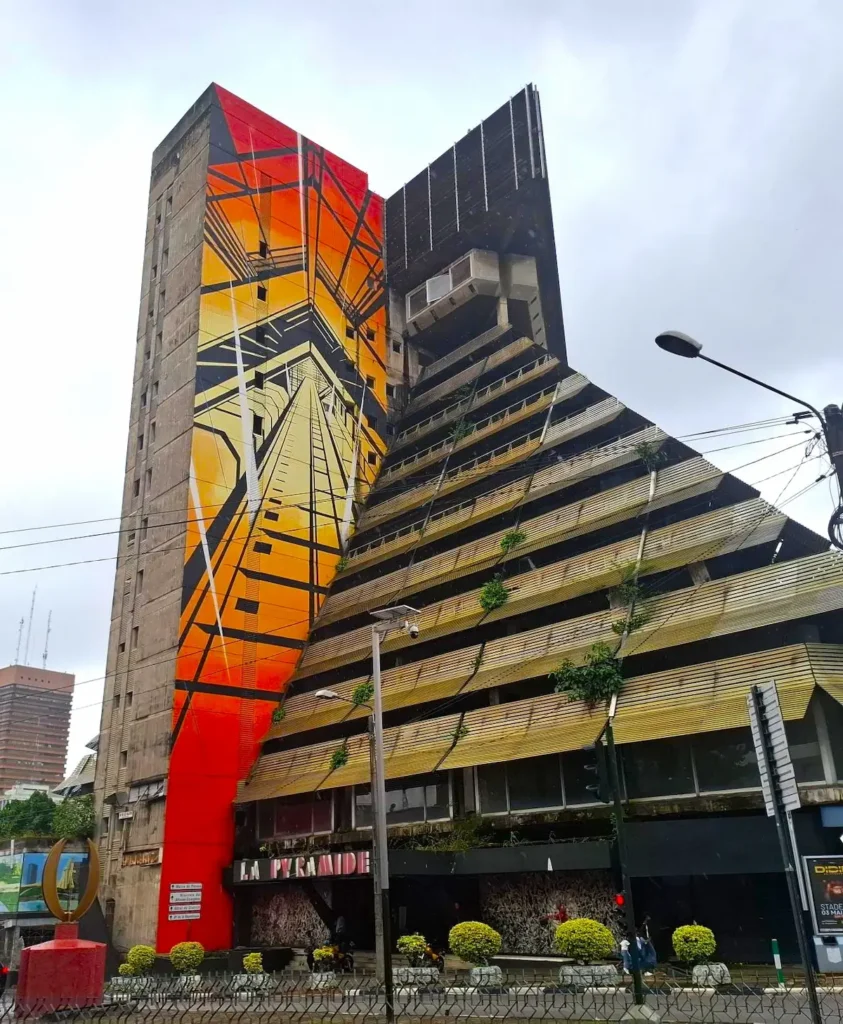
Here, you’ll find some of the city’s most iconic landmarks, including the African Development Bank headquarters, the administrative towers and La Pyramide, one of Abidjan’s most recognizable buildings. Built in the 1970s, this futuristic structure became an architectural symbol of the city, although it was later abandoned because of high maintenance costs.
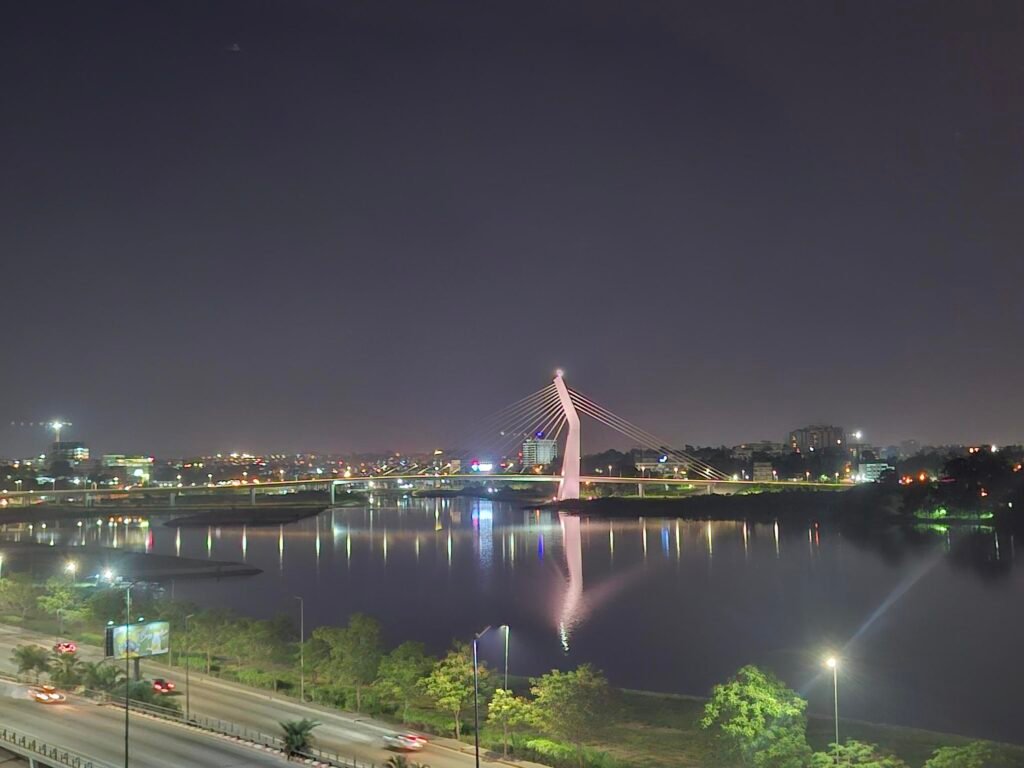
For some of the best panoramic views in Abidjan, head to one of Plateau’s rooftop bars around sunset. Rooftops like Noom Hotel or Hôtel Tiama offer spectacular views over the Ébrié Lagoon, the illuminated bridges and the growing skyline of the city.
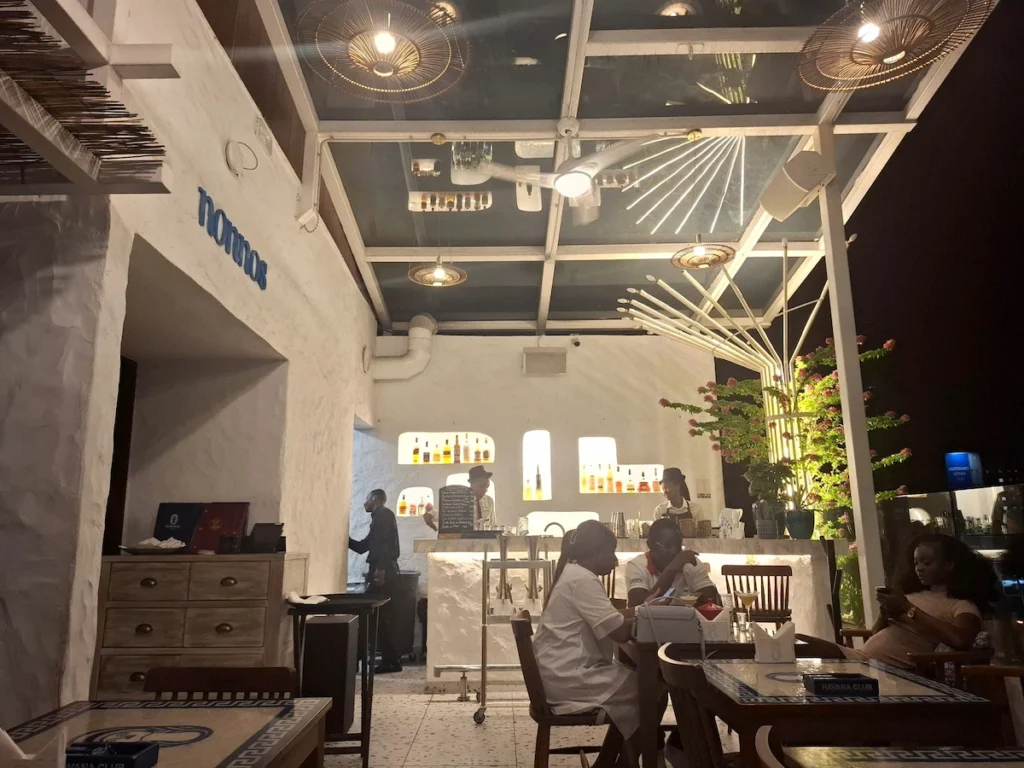
Plateau is also home to some of the best upscale restaurants in Abidjan, including Saakan and Nama Restaurant, both known for their elegant atmosphere and fusion cuisine combining African and international influences.
If you are interested in culture and events, don’t miss the French Institute of Abidjan. It is one of the city’s most active cultural venues and regularly hosts: art exhibitions, concerts, theater performances, dance shows, outdoor cinema, and cultural festivals throughout the year. The institute also has a pleasant café-bar that attracts artists, students, expatriates and young professionals from across the city.
🔶 Wander Through Abidjan’s Local Markets
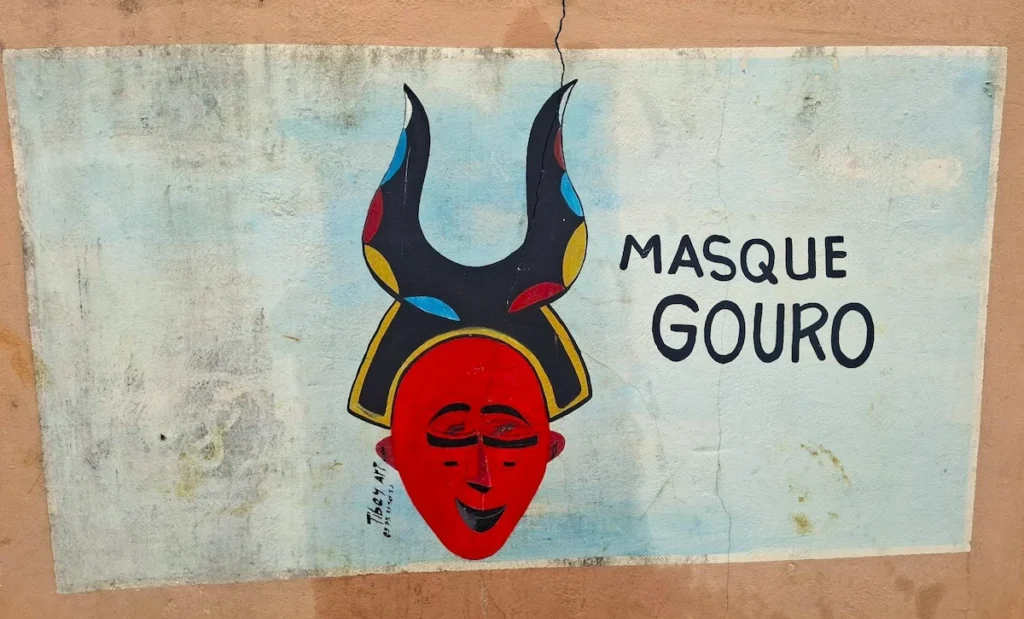
Exploring Abidjan’s markets is one of the best ways to understand the city’s energy and everyday life. The markets are lively, colorful and often chaotic, but they offer an authentic glimpse into Ivorian culture. Treichville Market is one of the most popular places to shop for: African fabrics, clothing, handicrafts, traditional masks, jewelry and decorative objects.
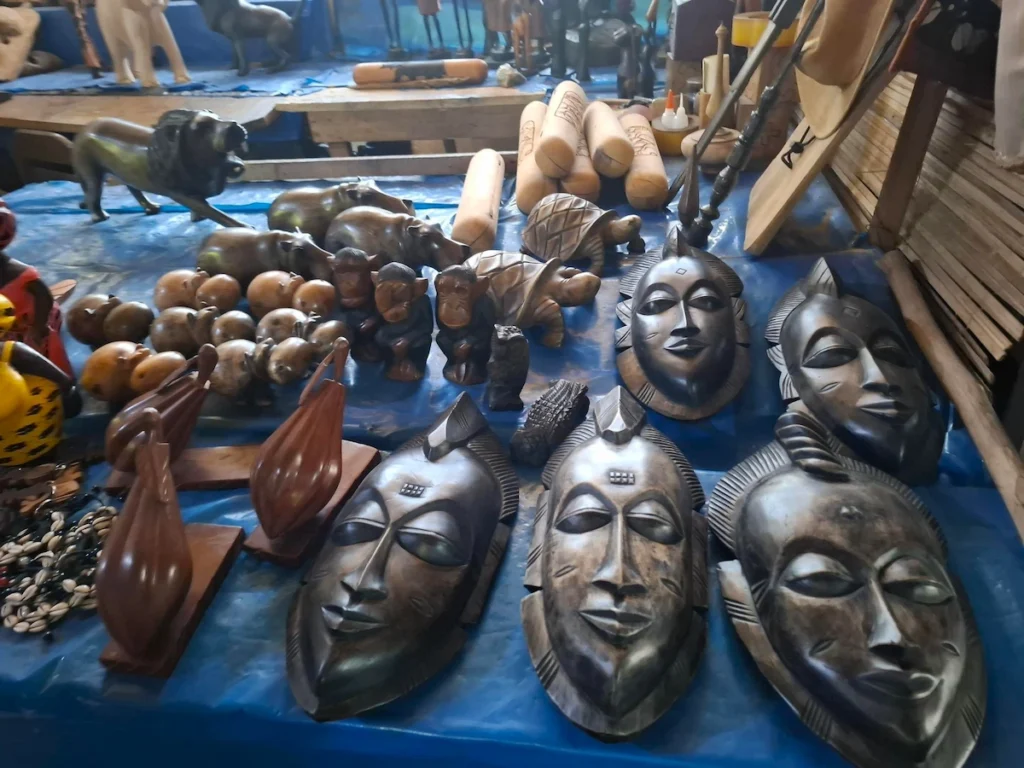
CAVA Market, located in Zone 4, offers a more curated selection of local fashion, artisan products and handmade creations. It is smaller and more modern than Treichville Market, although vendors can sometimes be quite persistent with tourists.
The Cocody Saint-Jean Market is another interesting place to experience local daily life while staying in a more residential part of the city. Spread across several floors, the market sells everything from food and fabrics to electronics and household products.
For a much more local experience, visit the enormous Adjamé Market, considered one of the largest commercial markets in West Africa. If you are a tourist, going with a local guide is highly recommended.
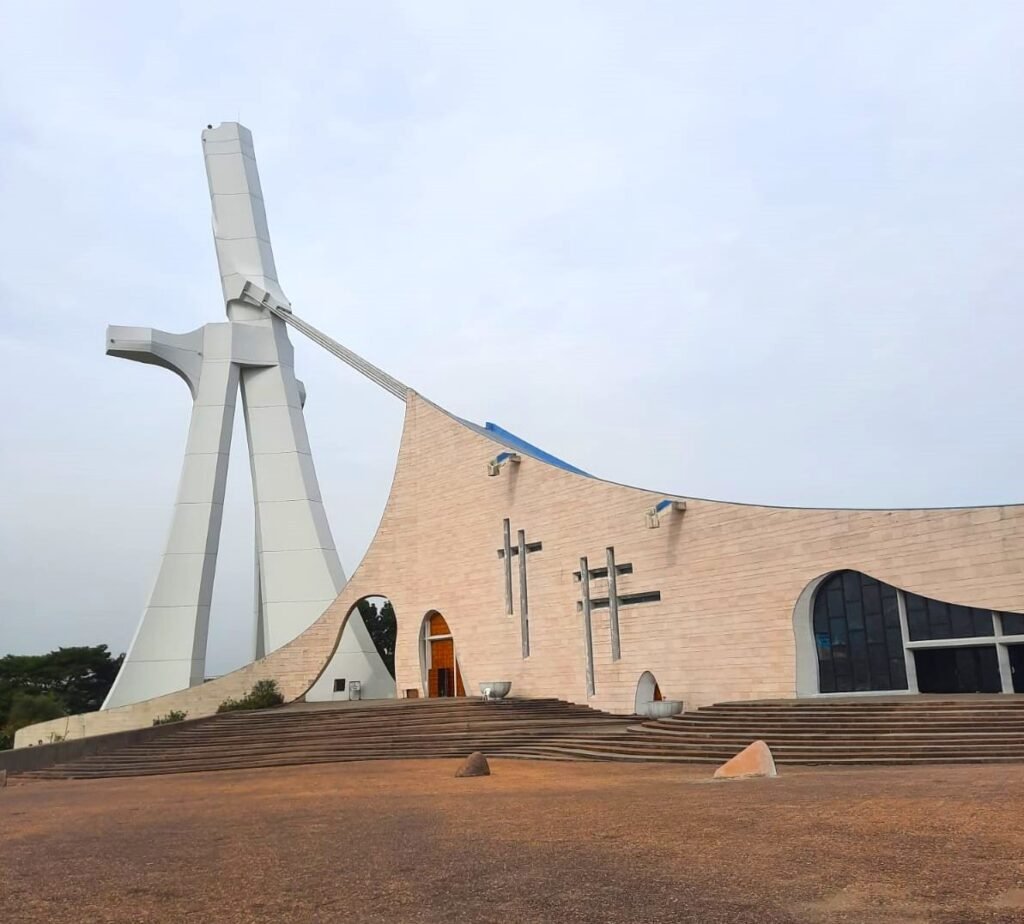
🔶 Visit St. Paul’s Cathedral
With its futuristic architecture and enormous cross overlooking the lagoon, St. Paul’s Cathedral is one of Abidjan’s most iconic landmarks. Located in Plateau, the cathedral was designed by Italian architect Aldo Spirito and inaugurated by Pope John Paul II in 1985. Its modern design makes it very different from traditional cathedrals and symbolizes the rapid modernization of Ivory Coast during the late 20th century.
The cathedral also offers beautiful views over Plateau and the surrounding lagoon area, making it a popular stop for both architecture lovers and photographers.
🔶 Taste Traditional Ivorian Food
Discovering Abidjan also means discovering its food. The city has one of the richest and most diverse culinary scenes in West Africa, mixing local Ivorian traditions with Lebanese, French and international influences.
Some dishes you should absolutely try include: attiéké, grilled fish, braised chicken, alloco (fried plantains), kedjenou and choukouya.
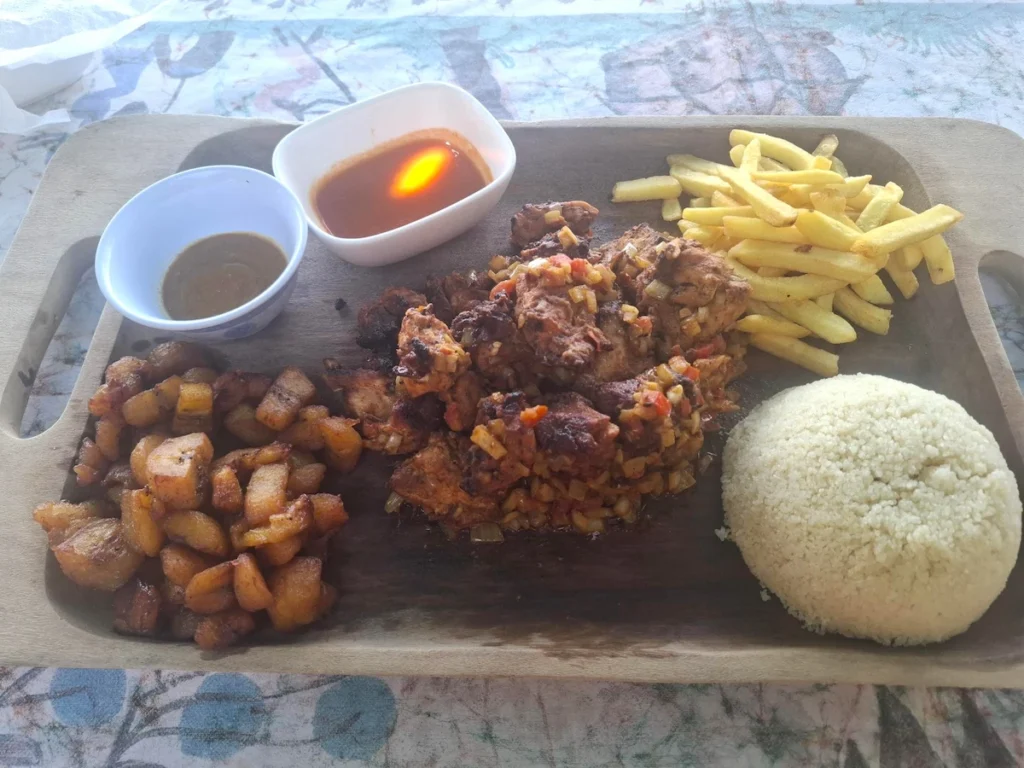
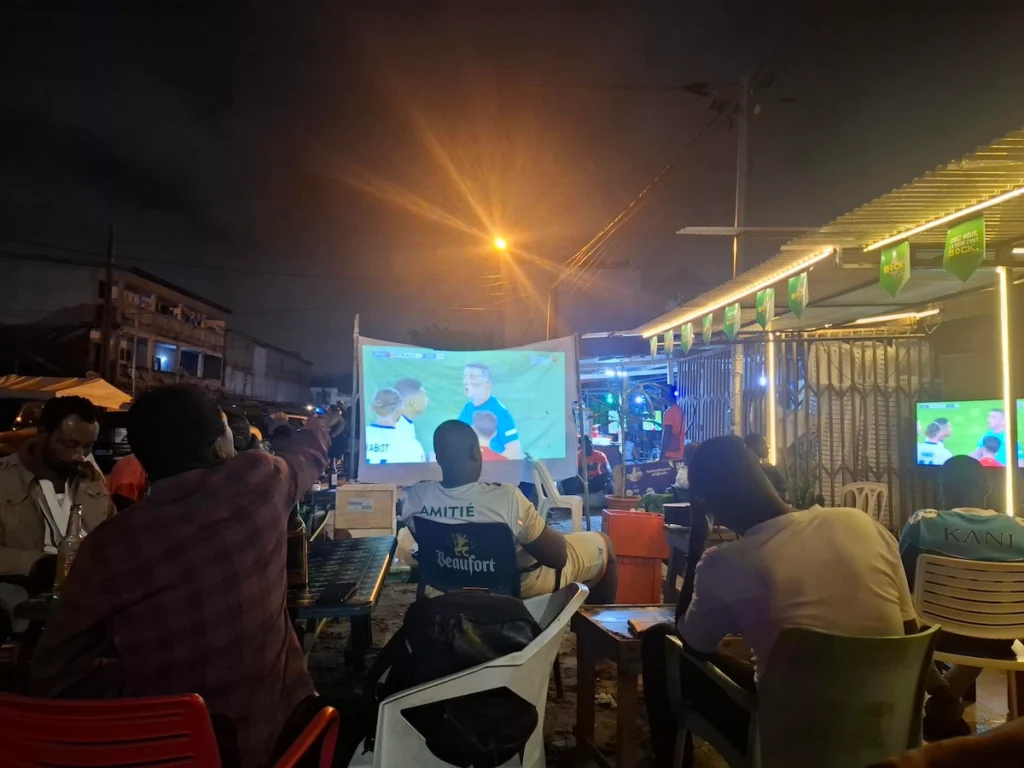
To truly experience local culture, eating in a maquis is essential. Maquis are traditional open-air restaurants that play a central role in Ivorian social life. People come not only for the food, but also for the atmosphere, music, and conversations.
Some of my favorite places for local food include: the maquis in Anono, the lagoon restaurants of Blockhauss, and the famous Allocodrome in Cocody, one of the best-known street food spots in Abidjan. The atmosphere is usually lively and social with music, football matches, outdoor seating, and groups of friends gathering late into the night.
🔶 Escape to île Boulay
Located only about 20 minutes by boat from central Abidjan, Île Boulay offers a completely different atmosphere from the busy streets of the city.
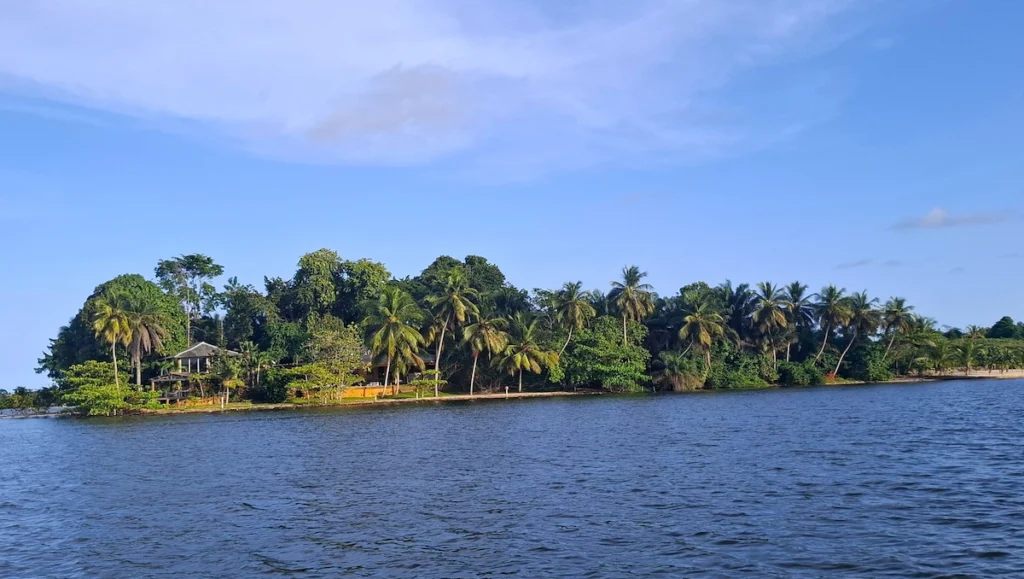
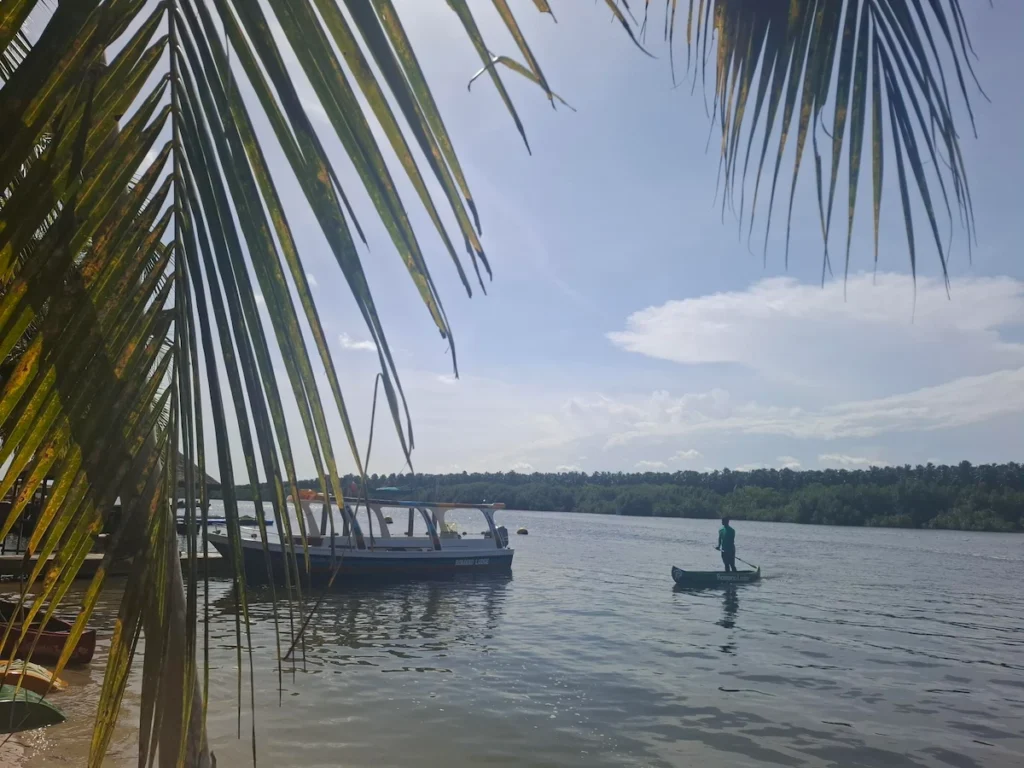
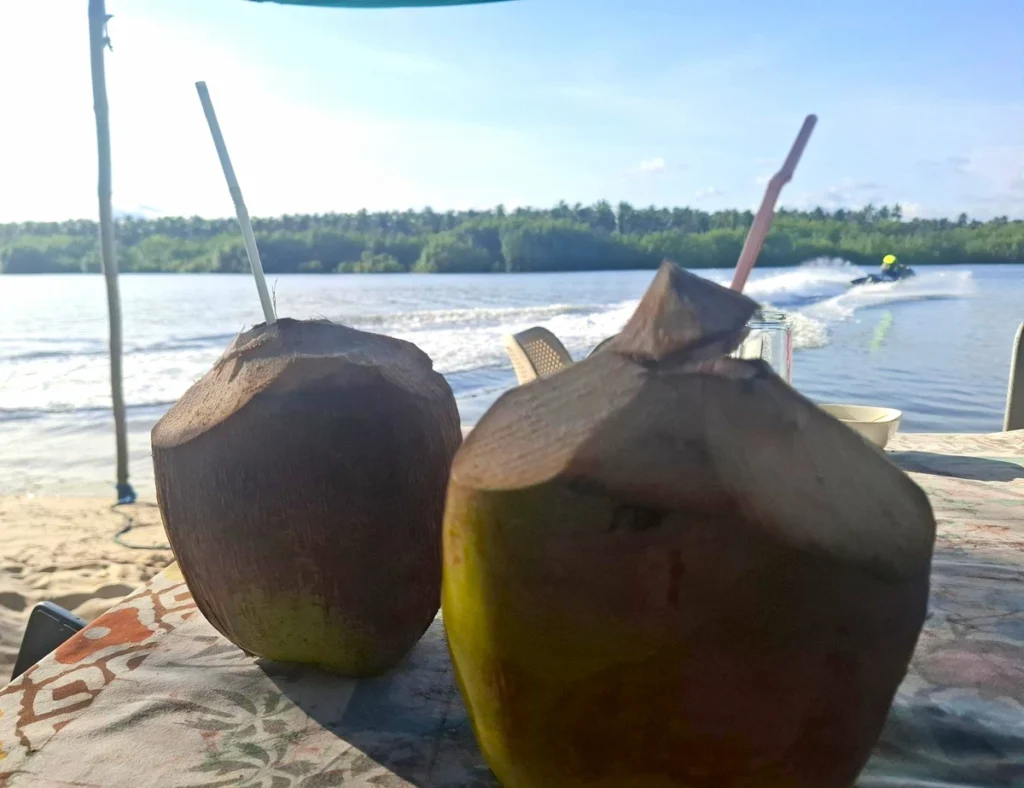
Situated in the middle of the Ébrié Lagoon, the island is known for its beaches, waterfront restaurants, relaxed atmosphere, kayaking and small hotels ideal for a weekend getaway. It is one of the best excursions around Abidjan if you want to enjoy a more peaceful and tropical environment without traveling too far from the city.
🔶 Explore the Tropical Forest of Banco National Park
Banco National Park is one of the most surprising places in Abidjan. Very few African capitals still contain a protected primary rainforest inside the city itself.
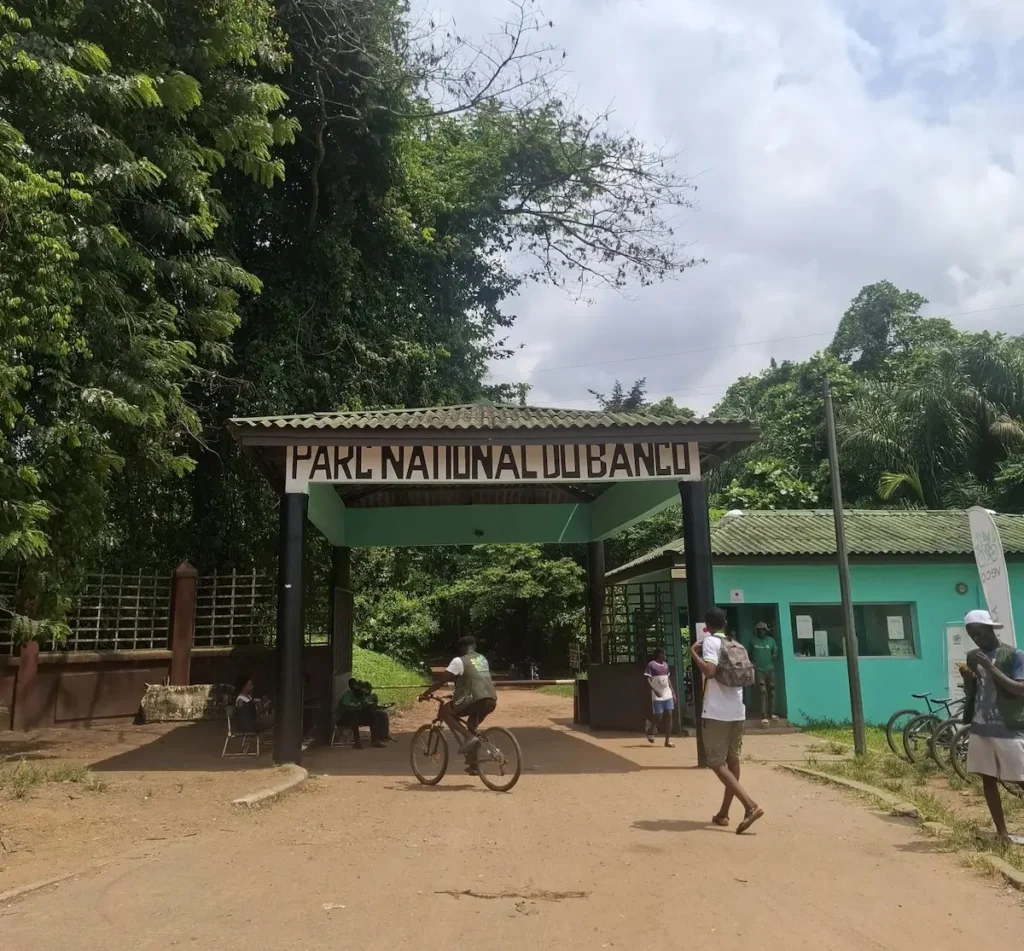
Located between several districts of Abidjan, the park protects an exceptional ecosystem filled with giant tropical trees, birds, butterflies and occasionally monkeys. Visitors can rent bicycles, go hiking, jog or explore the forest with local guides. It is an excellent activity for families, nature lovers and anyone looking to escape the noise and traffic of the city for a few hours.
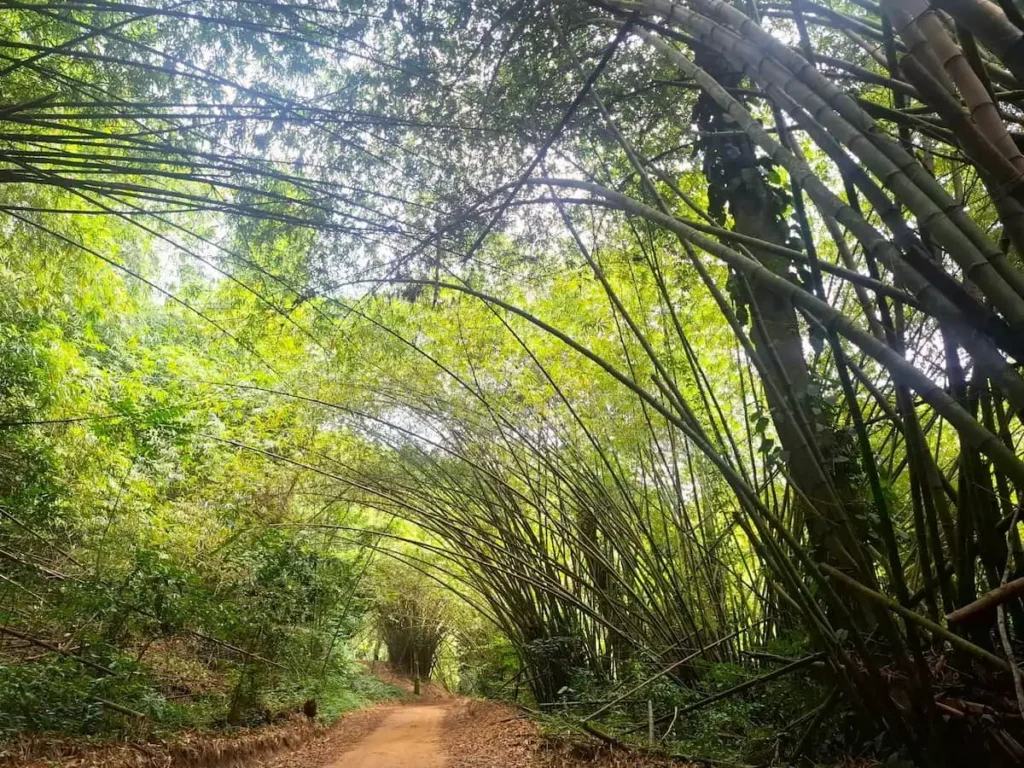
🔶 Visit the Botanical Garden of Bingerville
Located east of Abidjan, Bingerville was the colonial capital of Ivory Coast between 1900 and 1934 before Abidjan became the country’s main city.
The town was named after French explorer Louis-Gustave Binger, one of the colonial administrators of French West Africa. Today, the botanical garden remains a peaceful place filled with tropical plants and historical traces from the colonial era. The former governor’s palace, now converted into an orphanage, is located inside the garden grounds.
It is a pleasant place for walking, picnics, photography or relaxing away from the urban intensity of Abidjan. Many visitors also stop for lunch at Chez François, a well-known local restaurant nearby.
🔶 Discover Abidjan’s Contemporary Art Scene
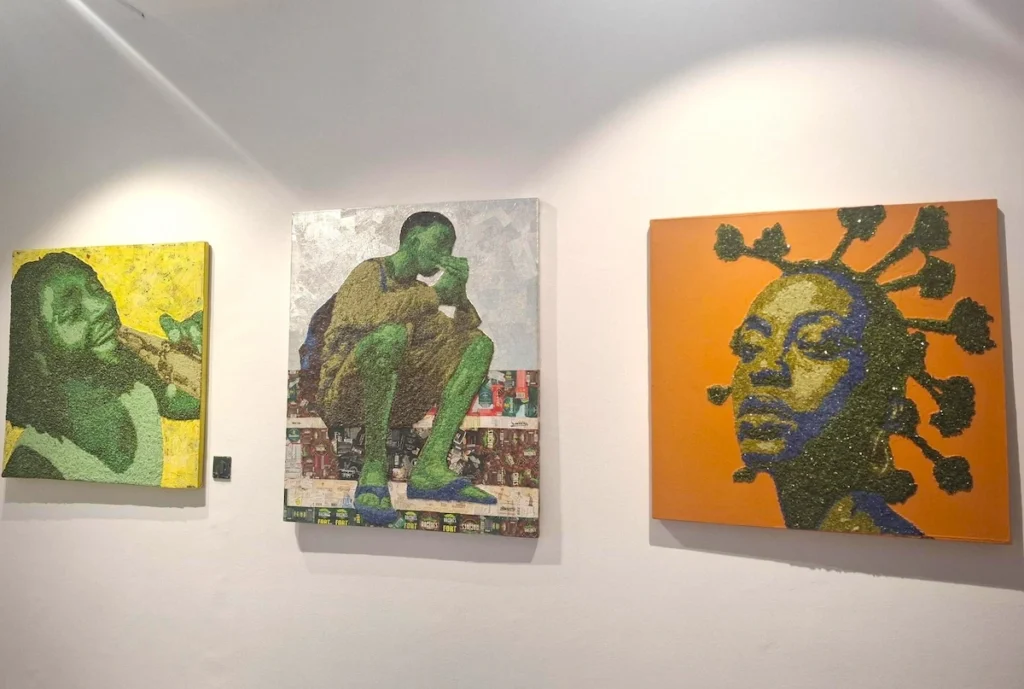
Art galleries play an important role in Abidjan’s cultural life. Most are privately owned, but many function as much more than traditional galleries. They regularly host live concerts, photography exhibitions, performances, screenings, talks and cultural events.
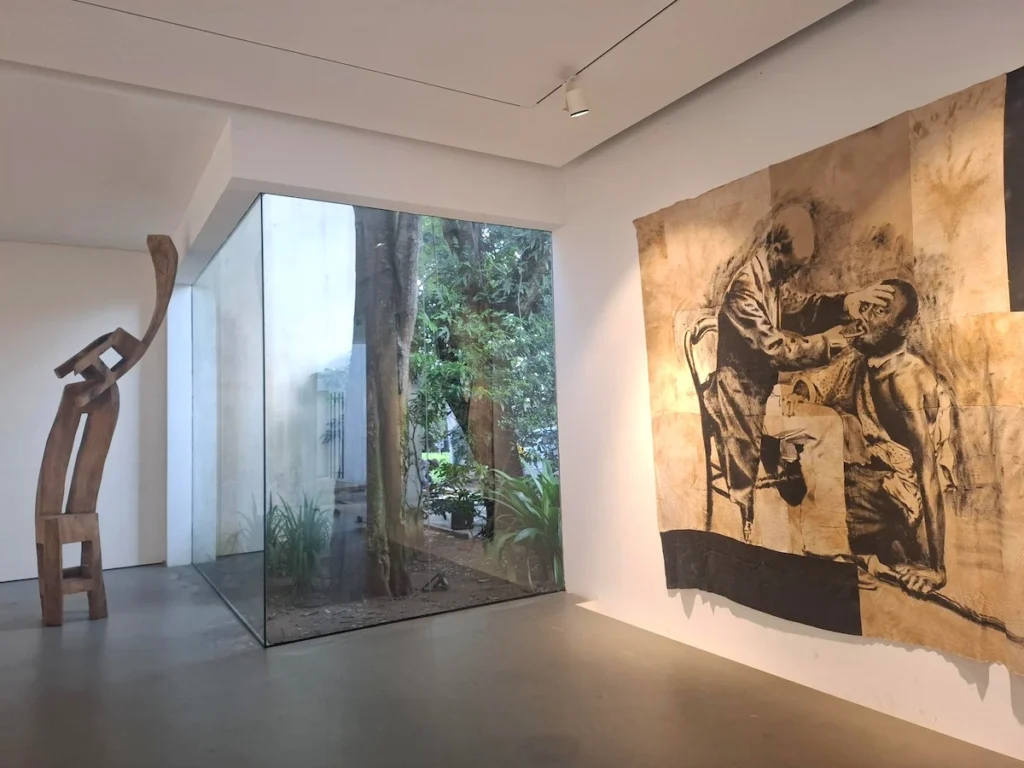
It is worth checking their event schedules in advance, as many exhibitions and cultural evenings take place during weekends or evenings. Some of the best-known galleries in Abidjan include: Galerie Cécile Fakhoury, Fondation Charles Donwahi, Galerie Eureka and Galerie Studer in Cocody Ambassades.
🔶Experience Abidjan Nightlife in Zone 4
Located in Marcory, Zone 4 has become one of the most popular neighborhoods for nightlife in Abidjan.

The area is known for its international atmosphere and incredible diversity of restaurants, lounges, rooftop bars and clubs. You can find Ivorian cuisine, Lebanese restaurants, French bistros, Korean barbecue, Japanese restaurants, Mexican food and modern African fusion cuisine.
Zone 4 attracts both expatriates and young Ivorians and remains lively throughout the week, especially on weekends. For nightlife, venues such as The Jungle and Gasoleo are among the city’s best-known late-night spots, famous for their Afro-urban atmosphere and music until sunrise.
🔶 Go Sailing on the Lagoon in Yopougon
Yopougon is one of the largest and most energetic neighborhoods in Abidjan. Many locals even say it has the best atmosphere and nightlife in the city.
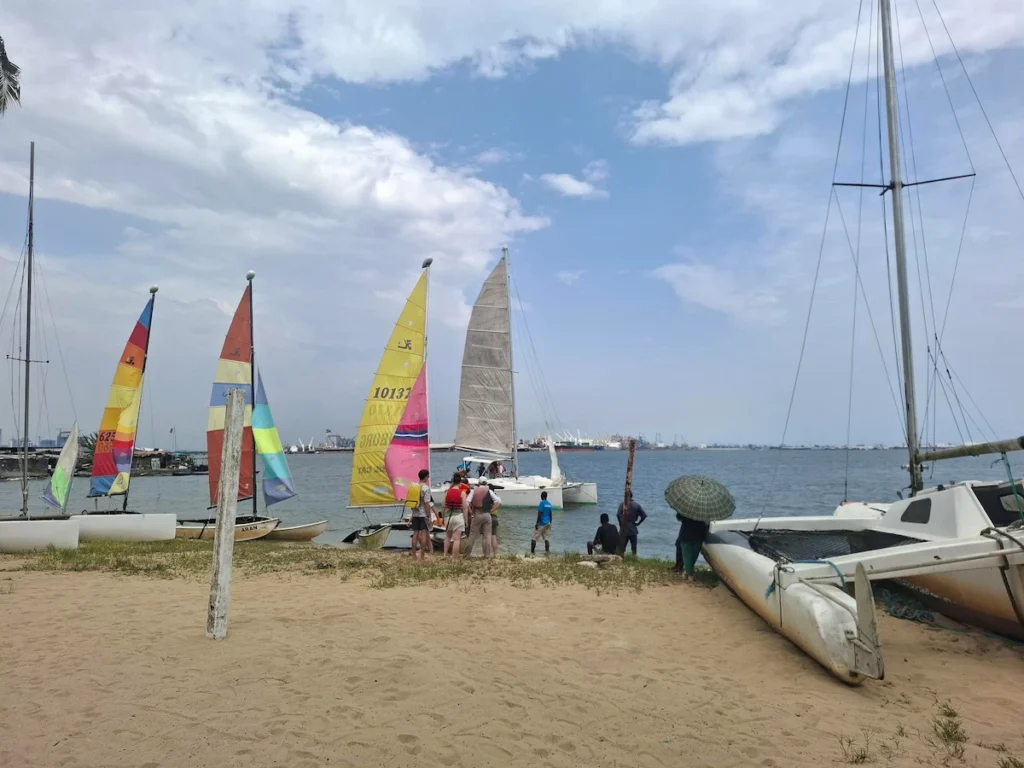
What many visitors do not know is that Yopougon also has a sailing club located on the lagoon. Visitors can learn sailing with instructors, rent equipment, enjoy the waterfront, or organize barbecues and events by the lagoon. It is a very different side of Yopougon from the image most travelers expect!
Is Abidjan Safe for Tourists?
Neighborhoods like Cocody, Plateau, Riviera, and Zone 4 are generally safe during the day and evening. Areas such as Yopougon, Adjamé, and parts of Treichville require more caution at night, especially if you’re unfamiliar with the city.
As in any major urban area, avoid isolated streets after dark, keep valuables discreet, and use trusted ride-hailing apps. Even Plateau can feel quieter once offices close, though the strong police and military presence in strategic areas adds a sense of security.
👉 For more details, see our complete guide on safety in Ivory Coast.
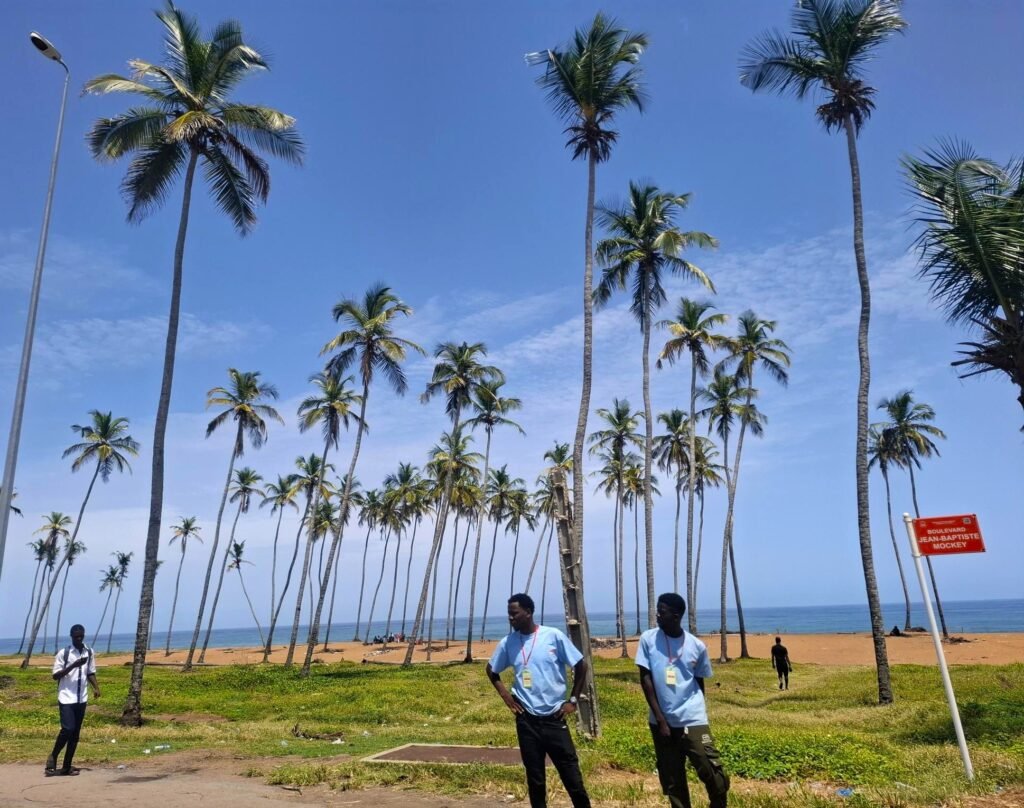
The best neighborhoods in Abidjan
Abidjan concentrates most of Ivory Coast’s economic activity and attracts a large expatriate community from across Africa, Europe and the Middle East. The city is very large and spread out, with each district offering its own atmosphere, lifestyle and identity.
- Cocody: is one of the most residential and upscale areas of Abidjan. Known for its calmer atmosphere, green streets and international community. Some of the best-known areas of Cocody include Riviera(a modern residential district highly appreciated by expatriates for its secure residences) and Deux Plateaux — a lively commercial area filled with cafés, restaurants, bakeries, ice cream shops and small boutiques.
- Plateau: often nicknamed the “Manhattan of Abidjan,” Plateau is the city’s business and administrative center. The district is known for: skyscrapers, modern bridges, rooftop bars, government institutions, luxury hotels and panoramic lagoon views.
- Marcory / Zone 4: is one of the most vibrant and international neighborhoods in Abidjan.
- Treichville: lively, authentic and deeply connected to local culture.
- Adjamé et Yopougon: the most dynamic and densely populated districts of Abidjan.
- Attoban et Angré: residential areas where a large part of the Ivorian middle class lives. These districts continue to grow rapidly, although morning traffic congestion can be particularly heavy.
If you are planning to move to Abidjan or relocate to Ivory Coast, you can also read our complete guide about the best neighborhoods for expatriates in Côte d’Ivoire.
Where to sleep in Abidjan
Abidjan offers a wide range of accommodation options for every type of traveler, including:
- luxury hotels,
- furnished apartments,
- serviced residences,
- long-term rentals,
- and comfortable accommodations for digital nomads or expatriates.
The most recommended areas to stay in Abidjan are generally: Cocody, Riviera, Marcory, and Plateau. For more details, you can check our guide on the best hotels in Abidjan.
Flights to Abidjan
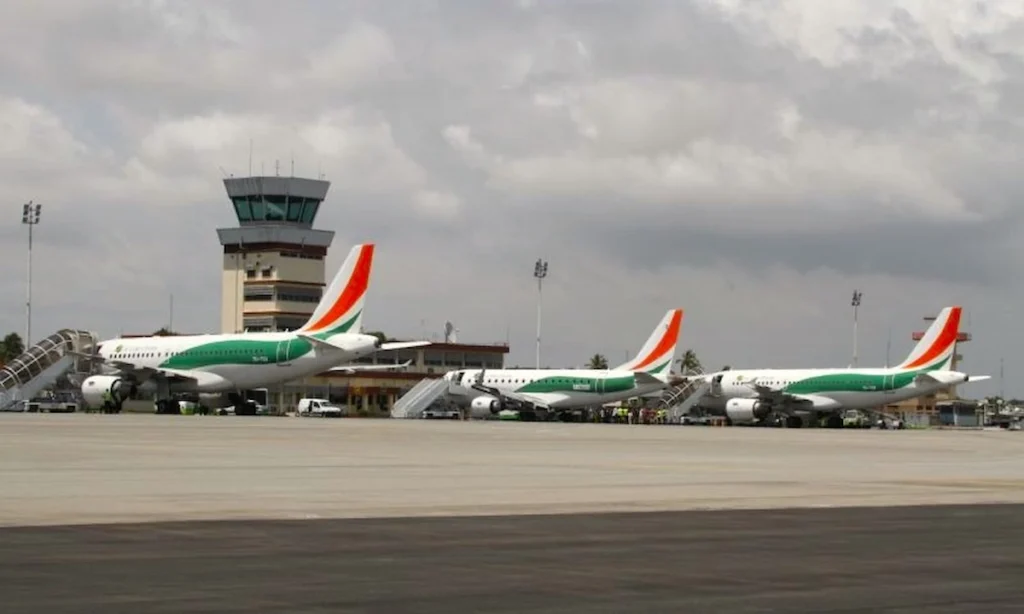
Abidjan is served by Félix-Houphouët-Boigny International Airport (ABJ), the main international gateway to Ivory Coast and one of the busiest airports in West Africa. It is located in Port-Bouët, around 20–30 minutes from central Abidjan (Plateau and Cocody), depending on traffic.
The city is well-connected internationally, with regular flights from Europe, the Middle East, Africa, and North America. From the United States, the main connection is via New York (around 9 hours). From Europe, direct routes operate from Paris (around 6 hours), as well as frequent connections through Brussels and Casablanca.
Major airlines serving Abidjan include Air France, Brussels Airlines, Turkish Airlines, Royal Air Maroc, Emirates, and Ethiopian Airlines, offering multiple routing options throughout the year.
Visa Requirements for Abidjan
Most travelers need a visa to enter Ivory Coast. The process is relatively straightforward and it has a cost of around 91 USD (78 euros) and can be completed online through the official government e-visa portal: SNEDAI e-Visa Côte d’Ivoire
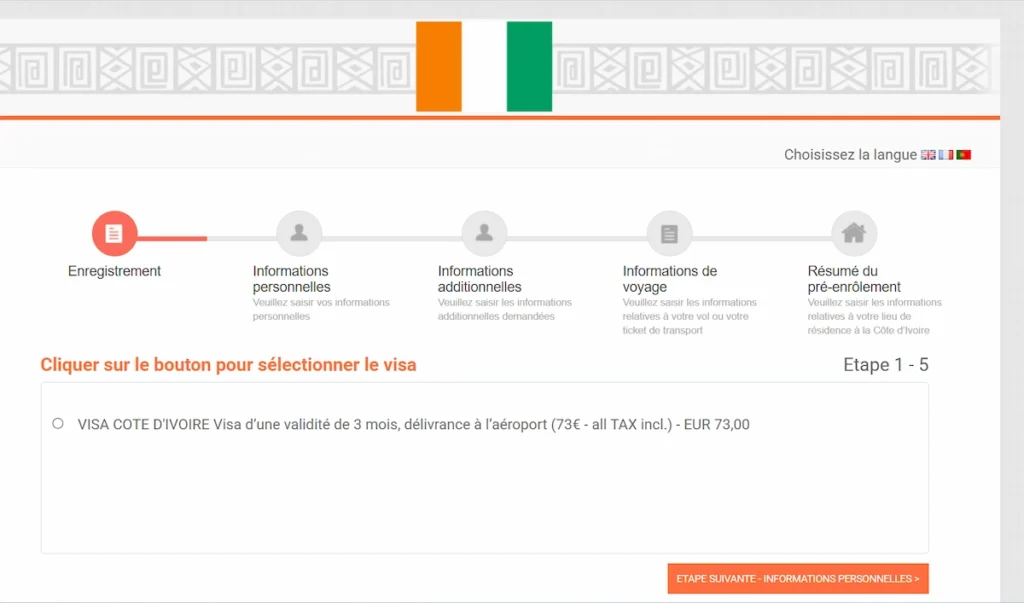
Once approved, applicants receive a pre-enrolment confirmation document, usually within 48 hours (processing times may vary depending on nationality). However, it is strongly recommended to apply at least 3–4 weeks before your trip to avoid delays.
Upon arrival at Félix-Houphouët-Boigny International Airport (ABJ) in Abidjan, you will present your pre-enrolment document and passport at the dedicated visa counter. The immigration authorities will then issue and stamp your visa directly into your passport. Make sure your passport is valid for at least six months from your date of entry, and always check the latest requirements before traveling, as visa rules may change depending on nationality.
How to get around Abidjan
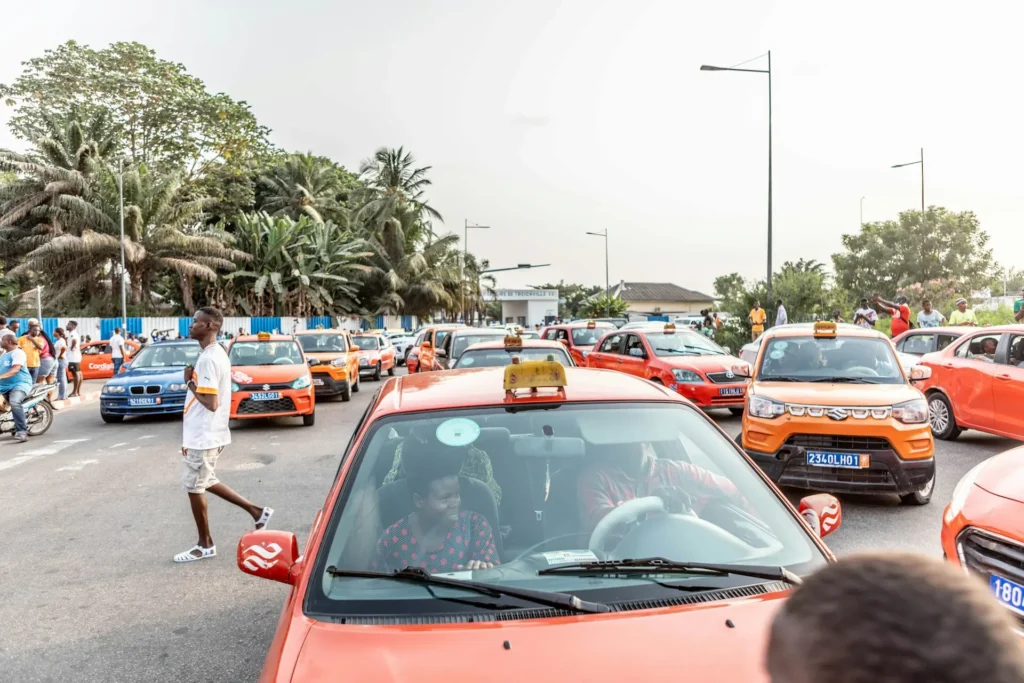
After living in Abidjan for two years, I can confidently say one thing: traffic is part of daily life in the city. Rush hour congestion can sometimes be intense, especially in Cocody, Angré, Riviera and on routes connecting Plateau to Marcory. Fortunately, several transportation options make it relatively easy to move around the city.
- Orange taxis : traditional taxis are everywhere in Abidjan. It’s recommended to negotiate the fare before starting the ride.
- VTC : ride-hailing apps such as Yango, Heetch and Africab are the easiest and safest transportation option for visitors. I personally use Yango.
- Wôrô-wôrô: shared yellow taxis widely used by locals. They are very affordable but often crowded and less comfortable for tourists unfamiliar with the city. Not recommended for tourists.
Abidjan’s metro system is currently under construction and is expected to significantly improve mobility in the coming years. If you want more flexibility during your stay, you can also read our guide about renting a car in Ivory Coast.
Best Time to Visit Abidjan
- Dry Season (Best Period): December to April is generally considered the best time to visit Abidjan. During this period, you can expect: sunnier weather, lower humidity, less rainfall and more outdoor activities. December is especially lively, as the city fills with concerts, festivals, nightlife events, Christmas decorations, and large social gatherings. Christmas is one of the most exciting periods of the year to experience Abidjan’s atmosphere.
- Rainy Season: The rainy season usually lasts from May to November. There are still many things to do in Abidjan when it rains, including art galleries, cinemas, indoor sports, cafés, restaurants, padel clubs, and cultural events.
Want to discover more of Abidjan ?
Abidjan is also best experienced through guided tours and local culture experiences
Practical Travel Tips Before Visiting Abidjan
Before traveling to Abidjan, here are a few practical tips that can help you prepare for your trip more easily.
🔶 Currency and Payments
The currency used in Abidjan and throughout Ivory Coast is the West African CFA franc (FCFA), which has a fixed exchange rate with the euro.
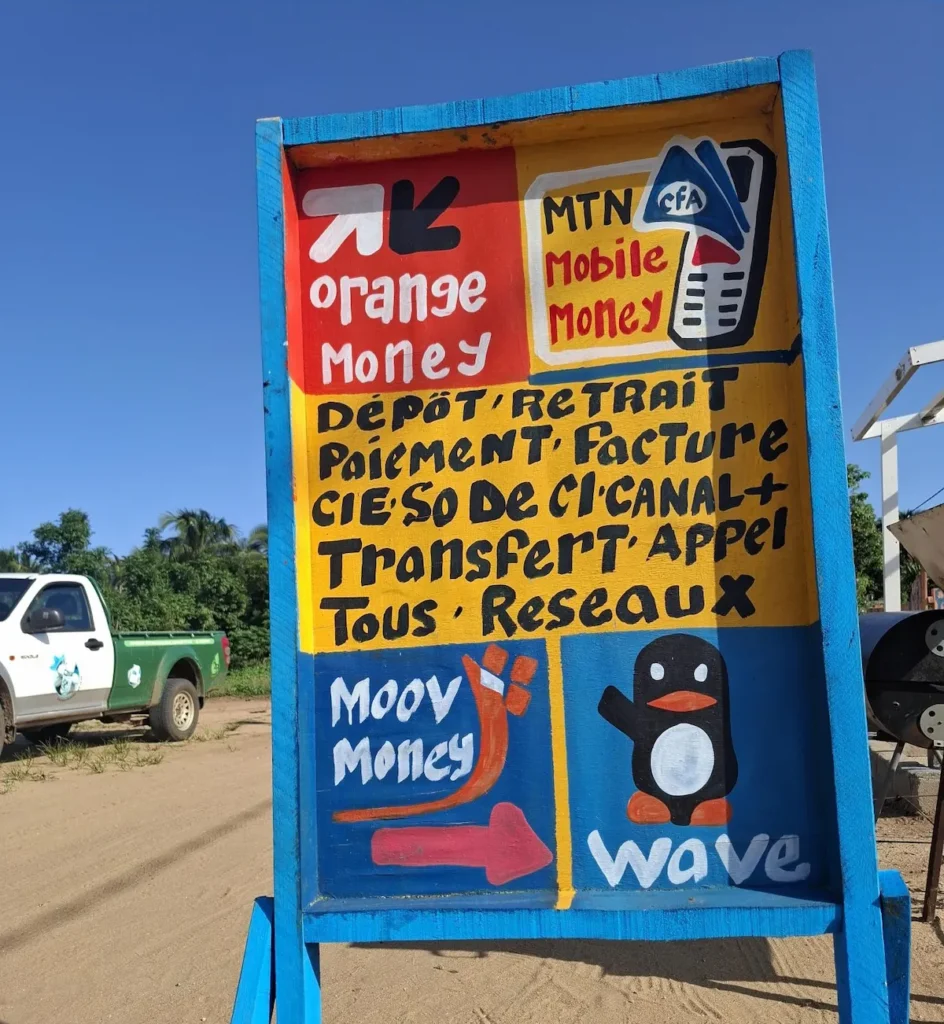
Credit cards are accepted in most modern hotels, shopping malls, upscale restaurants and and larger businesses. However, carrying cash is still highly recommended for local markets, traditional maquis, small shops, and regular taxis. Mobile payments are also extremely popular in Ivory Coast. Services such as Wave, Orange Money, and MTN Money are widely used daily for sending and receiving money.
🔶 Climate and Heat
Abidjan has a tropical climate that remains hot and humid throughout most of the year. The main rainy season usually runs from May to July, while a lighter rainy season often returns between October and November. Temperatures remain high year-round, although August is generally slightly cooler.
🔶 Electricity and plugs
Ivory Coast uses type C and E electrical plugs with a standard voltage of 220V. These are the same plug types used in most continental European countries.
🔶 Religion and culture
Abidjan is an extremely cosmopolitan and multicultural city. The two main religions are Christianity and Islam which generally coexist peacefully throughout the city.
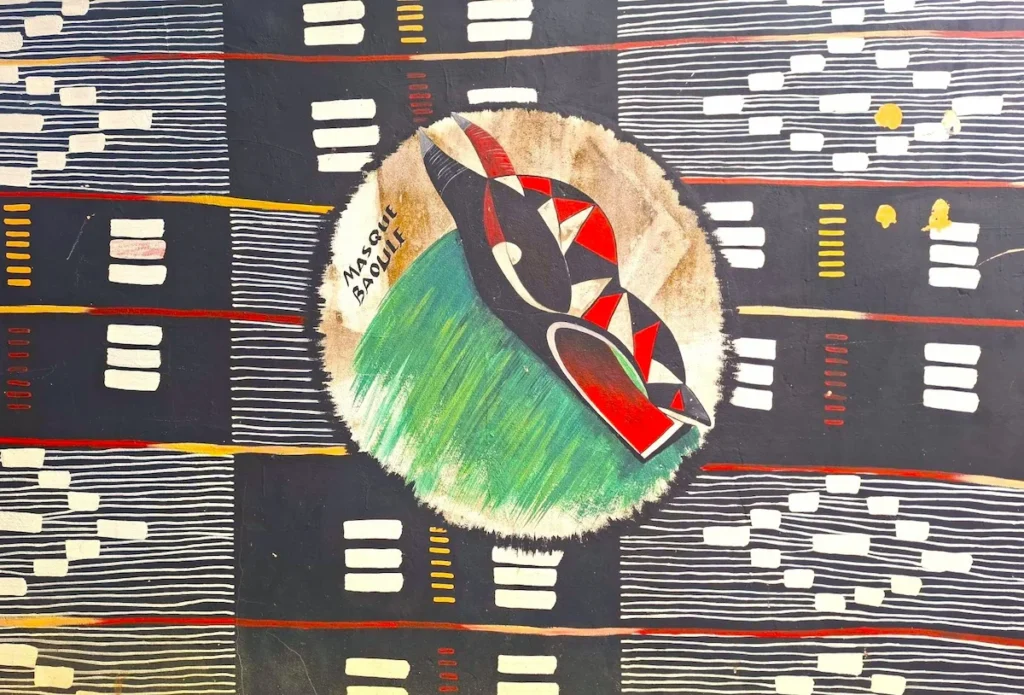
The population is very diverse and includes people from all regions of Ivory Coast as well as large West African and expatriate communities. Among the most represented ethnic groups are Baoulé, Bété, Dioula and Attié communities.
Abidjan is a city that is experienced as much through emotions and atmosphere as through sightseeing. After spending two years living here, I can confidently say the city is far more than its bridges, markets or skyscrapers. Abidjan has a unique energy that you feel everywhere in the lagoon sunsets,
the music, the lively maquis, the spontaneous conversations and the creativity of its younger generation.
The city constantly surprises visitors. It can feel chaotic at times, intense at others, but it almost always feels alive. Whether you come for a few days, for business, or to settle as an expatriate, Abidjan leaves a lasting impression — that of a fast-growing African metropolis full of warmth, culture and movement.
And if you want to explore more destinations around the city, you can also read our guides about the beaches of Assinie and Grand-Bassam.
FAQ – Visiting Abidjan
🔶 How Many Days Do You Need in Abidjan?
Ideally, plan at least 3 to 5 days to discover Abidjan properly. In 2 days, you can still visit some highlights such as: Plateau, Zone 4, local markets and parts of the lagoon. However, to fully enjoy the city — including places like Île Boulay and Banco National Park — staying longer is recommended because distances and transportation times can be significant.
🔶 Is Abidjan Expensive?
Abidjan is not considered a low-budget destination, although prices vary depending on your comfort level and travel style. Average Prices in Abidjan are:
- Mid-range hotels $70–150 per night
- Local restaurants and maquis $8–25
- Upscale restaurants $45–90
- Taxi or ride-hailing trips $2–10
🔶 Can You Visit Abidjan Without a Car?
Yes, it is entirely possible to visit Abidjan without renting a car. Ride-hailing apps such as Yango and regular taxis make transportation relatively easy for visitors. That said, for more comfort and flexibility — especially if you stay several days or want to explore multiple neighborhoods — hiring a driver can be a very convenient option. Walking long distances is not always practical in many parts of the city.