Ivory Coast safety is considered among the best in West Africa, thanks to its growing stability, warm hospitality, and rich culture. That said, there are still a few risks to keep in mind before you travel.
This guide does not replace official recommendations published by the Ministry of Foreign Affairs, but it offers a complementary perspective based on my personal experience after two years living in Ivory Coast. Before packing your bags, learn about potential risks, precautions to take, and behaviors to adopt during your stay.
👉 Keep reading… and Akwaba to the Land of Hospitality!
Ivory Coast: A Safe Country in West Africa
Côte d’Ivoire (its original name in French) is now one of the most stable countries in West Africa. This stability is partly explained by its recent history. After a civil war in the early 2000s, Ivorians aspire above all to peace and stability. The trauma of the conflict left a deep mark, and the population no longer wants to hear about unrest.

Since then, the country has undergone rapid transformation. GDP growth hovers around 6.5%, an impressive figure for the region. The government is investing heavily in infrastructure—roads, bridges, hospitals, schools—with a clear goal: to connect remote cities and improve basic social services.
However, inequalities remain visible. In Abidjan, the dynamic economic capital, contrasts are striking compared to inland villages. On one hand, the city boasts modernity and developed infrastructure; on the other, some rural areas still lack basic services. Despite this, many villages radiate unique energy and the genuine joy of life, even with limited resources.
What often strikes visitors is the warm welcome. Ivorians are naturally hospitable, optimistic, and open. You will quickly feel this authentic kindness as soon as you arrive.
Precautions to Take Before you Travel
Even though Ivory Coast is generally safe, it’s essential to prepare well—especially if it’s your first visit to West Africa. To fully enjoy your stay and avoid unexpected issues, I recommend following a few practical tips.
For example, consider:
- Registering your trip with your government’s traveler program:
- U.S. citizens: https://step.state.gov/
- U.K. citizens: https://www.gov.uk/foreign-travel-advice
- Identifying your embassy upon arrival and making contact.
Are you preparing your trip to Côte d’Ivoire?
Whether you are traveling for leisure, a humanitarian mission, or professional reasons,
choosing the right accommodation is essential for a smooth and stress-free stay.
Main Risks and Safety Recommendations for Travelers
Food Risks: What Can You Eat Safely?
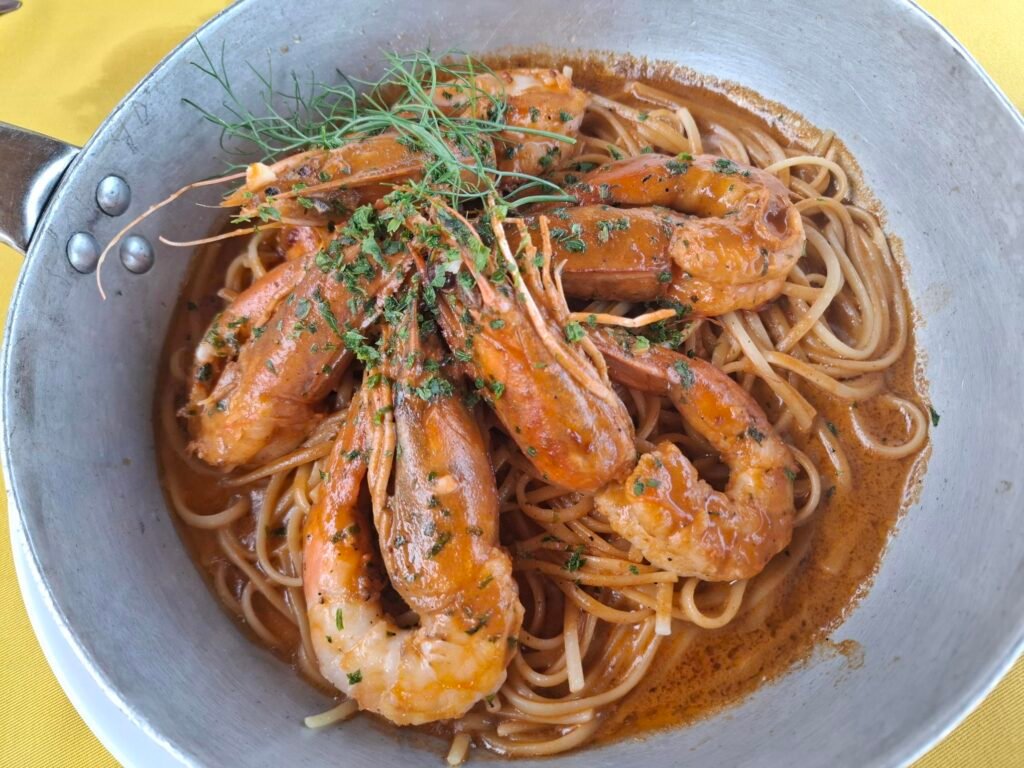
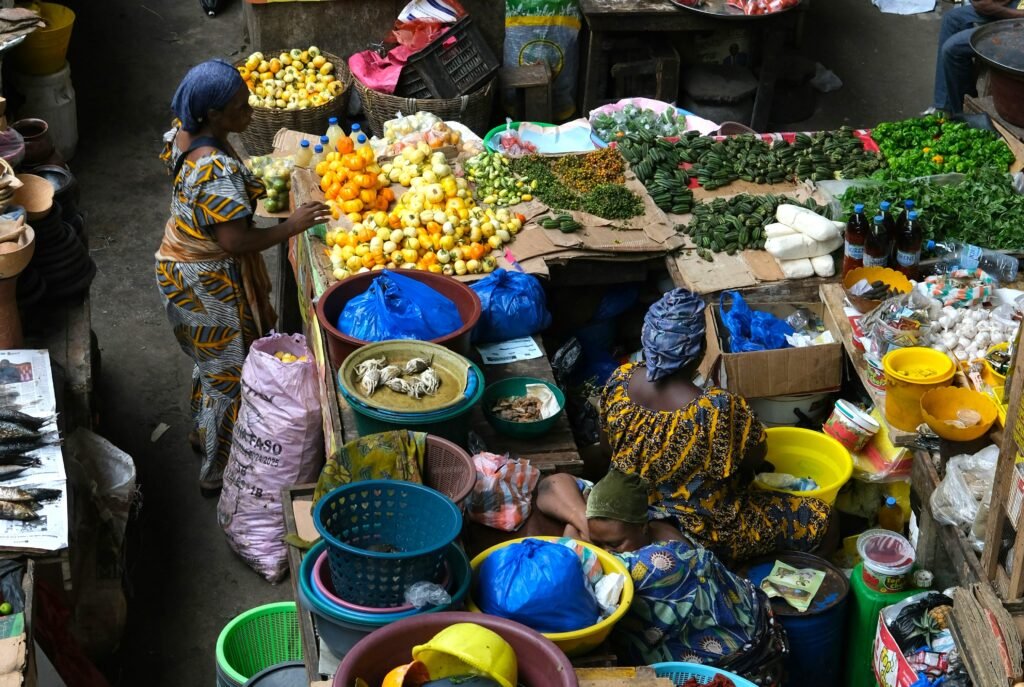
Ivorian dishes are delicious… but foreign stomachs may need a little time to adapt. In addition to natural bacterial differences, Ivorian cuisine is often very spicy; Ivorians love to add chili to their meals!
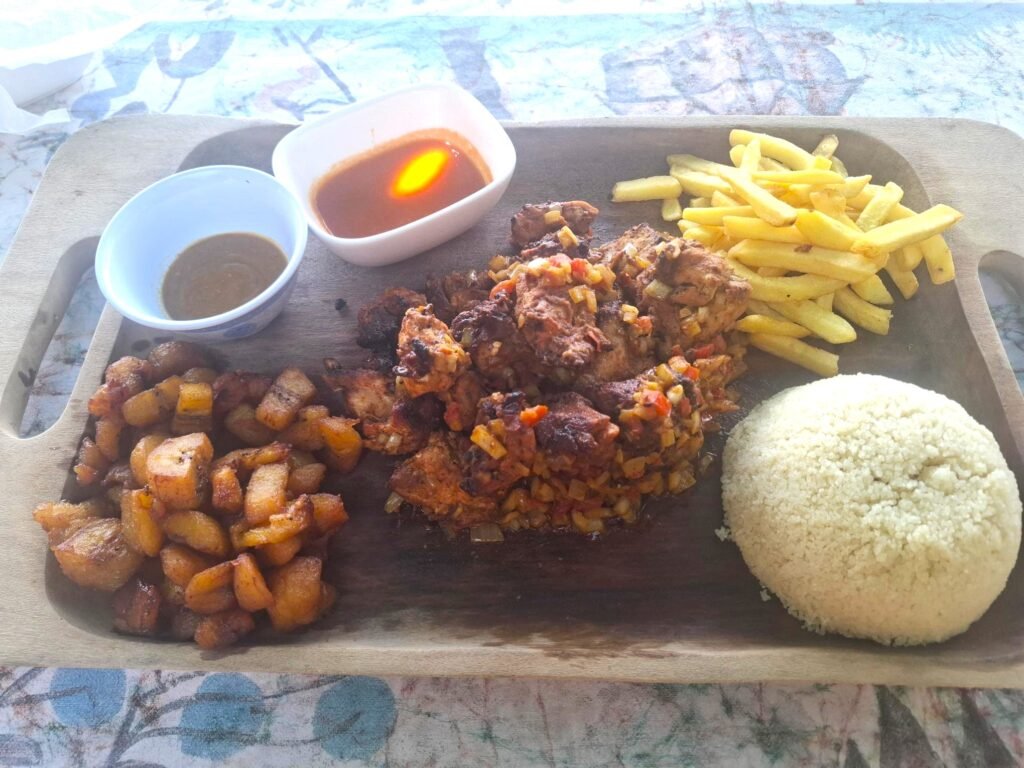
To fully enjoy the local cuisine while staying healthy, here are some practical tips:
- Avoid raw vegetables (especially outside reliable hotels or restaurants).
- Choose well-cooked meats.
- Be cautious with homemade ice or tap water.
- In coastal areas, poorly stored food or items exposed to heat can quickly cause digestive issues.
- If you don’t like spicy dishes, ask the restaurant before ordering whether the sauce contains chili—sometimes even a simple tomato sauce can be very hot.
Traveler Tip: Consider taking probiotics (with medical advice) before your arrival. Start a few days in advance to prepare your gut flora.
Health Risks: Diseases to Know Before You Travel
Malaria
Malaria is an endemic disease in Ivory Coast, which means you are exposed to it year-round, regardless of the season. That said, there’s no need to panic—the good news is that Ivorian doctors are highly skilled at diagnosing and treating this illness. Thanks to their daily experience, they respond quickly and effectively if symptoms appear.
- If you have symptoms (fever, headache, fatigue, digestive pain…), go quickly to get tested at a pharmacy or clinic.
- Treatment remains effective, provided it is prescribed promptly by a doctor.
- In Abidjan, several private clinics offer quality care with well-trained staff.
Health Tip: Before you leave, consult your doctor about preventive antimalarial treatment.
For more information, feel free to check our page:✈️ Vaccines for Traveling to Ivory Coast
Other Common Diseases
- Yellow Fever: The vaccine is mandatory to enter the country.
- Traveler’s Diarrhea: Very common among tourists, often linked to changes in diet.
- Dengue: Possible to contract; precautions are similar to those for malaria.
- MPOX (formerly monkeypox): A few cases reported in 2024. Risk remains low for travelers, but stay informed through official channels.
- Cholera (update July 2025): A few isolated cases reported. On June 5, 2025, the Ministry of Health declared a cholera outbreak localized in Port-Bouët, Abidjan, and Sassandra. Increased vigilance is strongly recommended regarding food and water consumption outside the home.
Terrorism Risks in Ivory Coast
Ivory Coast is now considered a generally safe destination for travelers. However, as in many countries, it’s important to stay informed about potential risks, even if they are low.
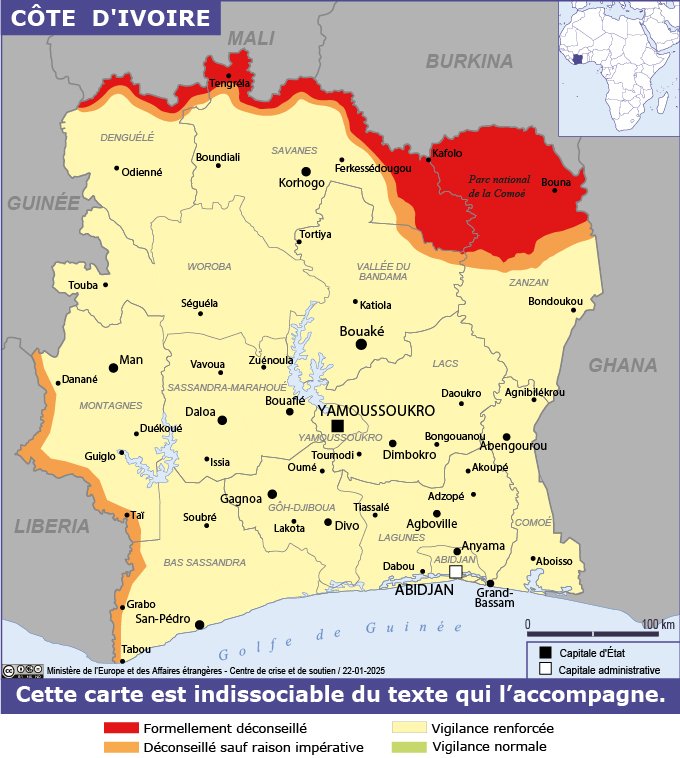
In 2016, Côte d’Ivoire experienced the first terrorist attack in its history, which occurred in Grand-Bassam. Since that tragic event, military forces have been deployed in the country’s main tourist areas.
Beach Safety: Surfing and Swimming
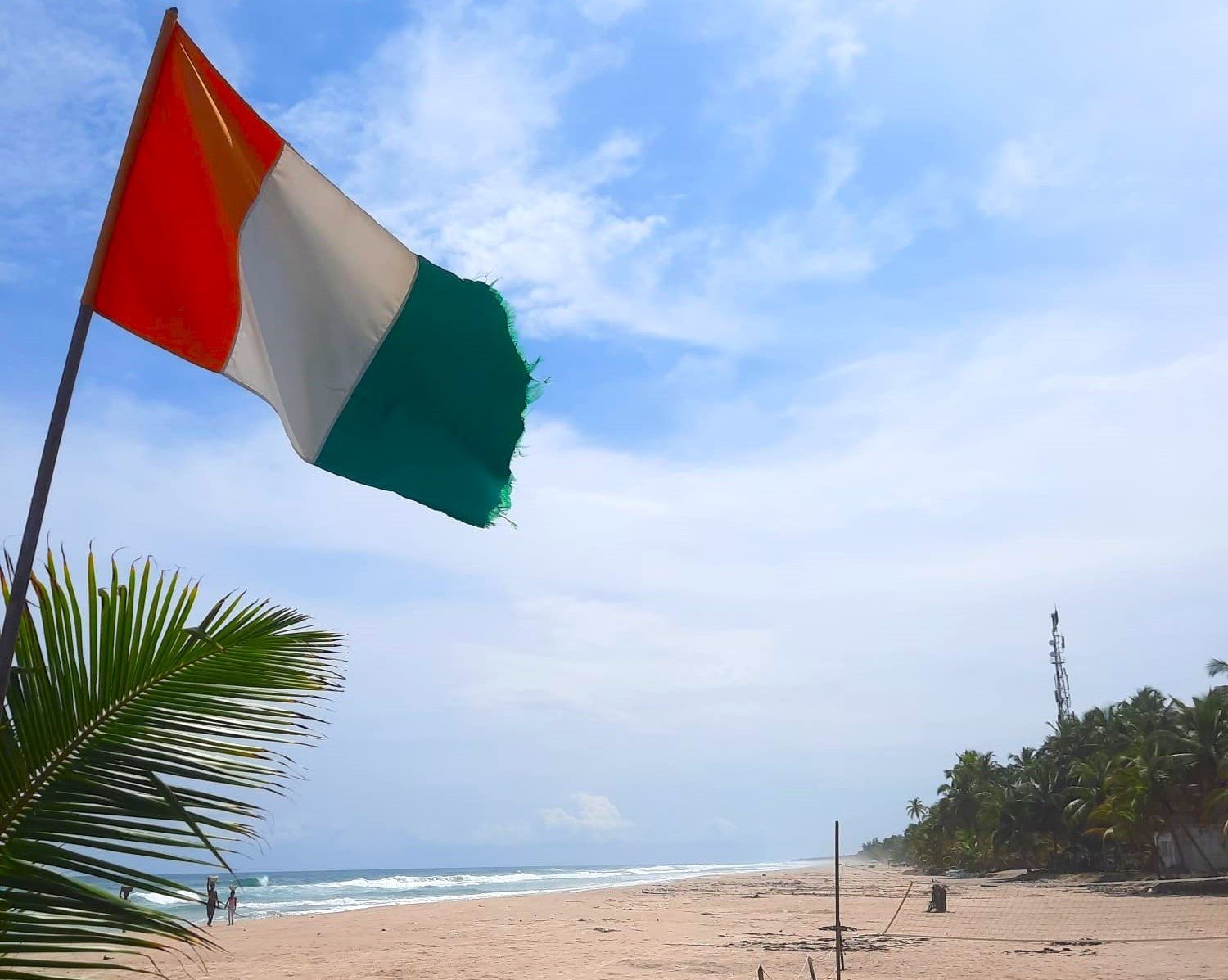
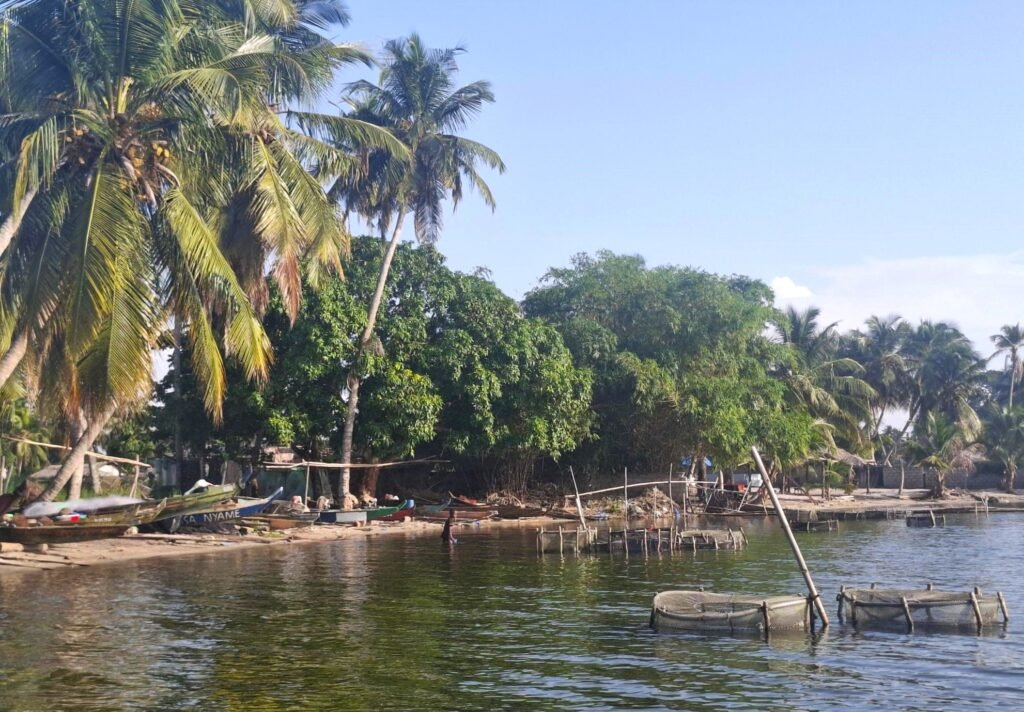
The Ivorian coastline offers breathtaking landscapes, from golden beaches to peaceful lagoons and fishing villages. However, it’s important to stay vigilant, especially when it comes to swimming, tides, or unsupervised areas. By taking a few simple precautions, you can fully enjoy this exceptional coastline safely.
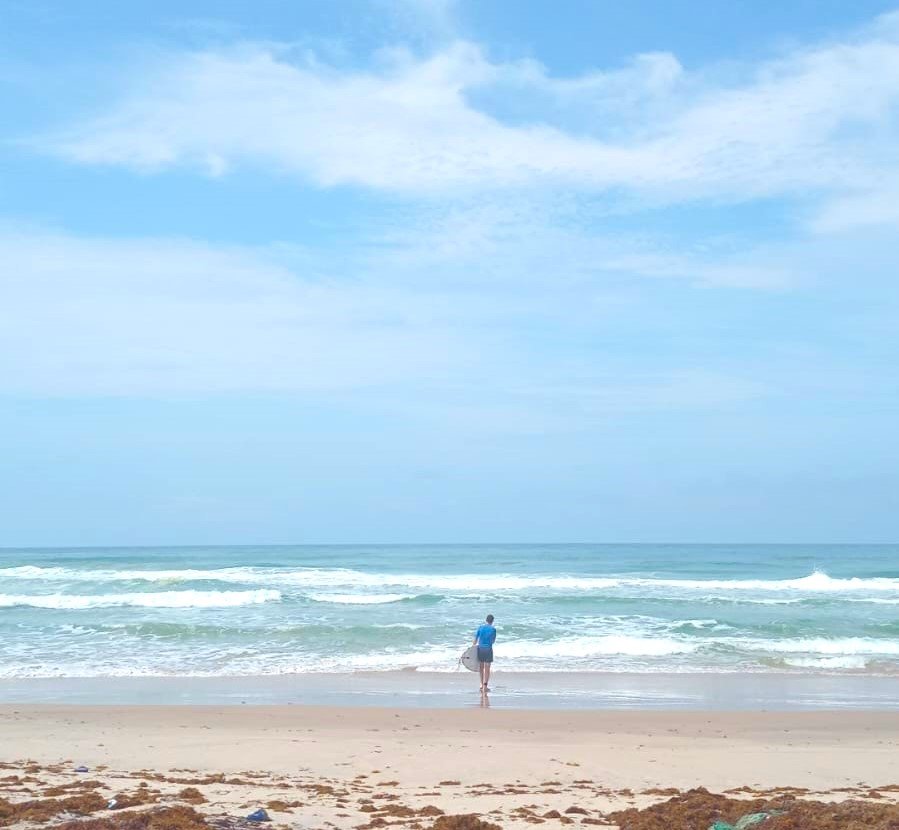
- Strong currents are dangerous, especially around Grand-Bassam or Jacqueville.
- Always check for the presence of lifeguards or weather conditions before swimming.
- Surfing is possible on certain beaches, but check locally for tide information and suitable areas. In our article Surf in Ivory Coast, you’ll find all the tips!
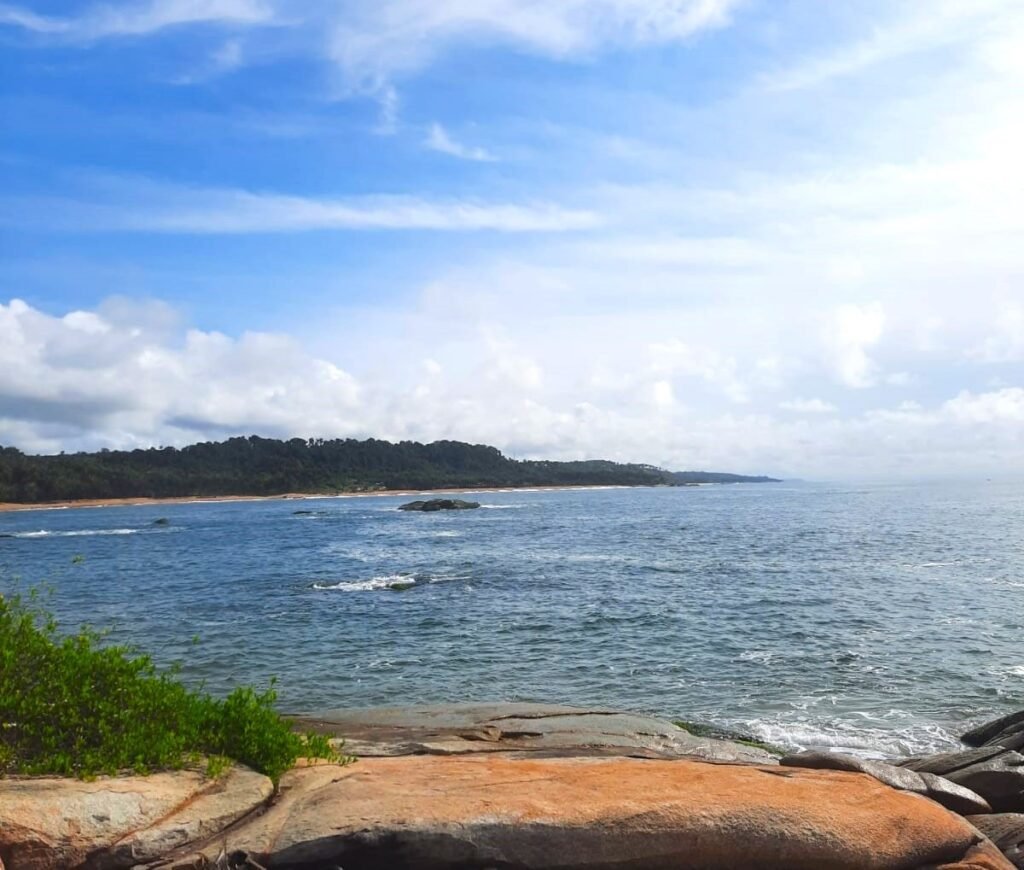
Weather Risks: What to Know Before Traveling
Ivory Coast has two main seasons: a dry season from November to April and a rainy season from April to September. June is usually the wettest month of the year and carries an increased risk of flooding. This risk is particularly high in poorly drained urban areas and villages.
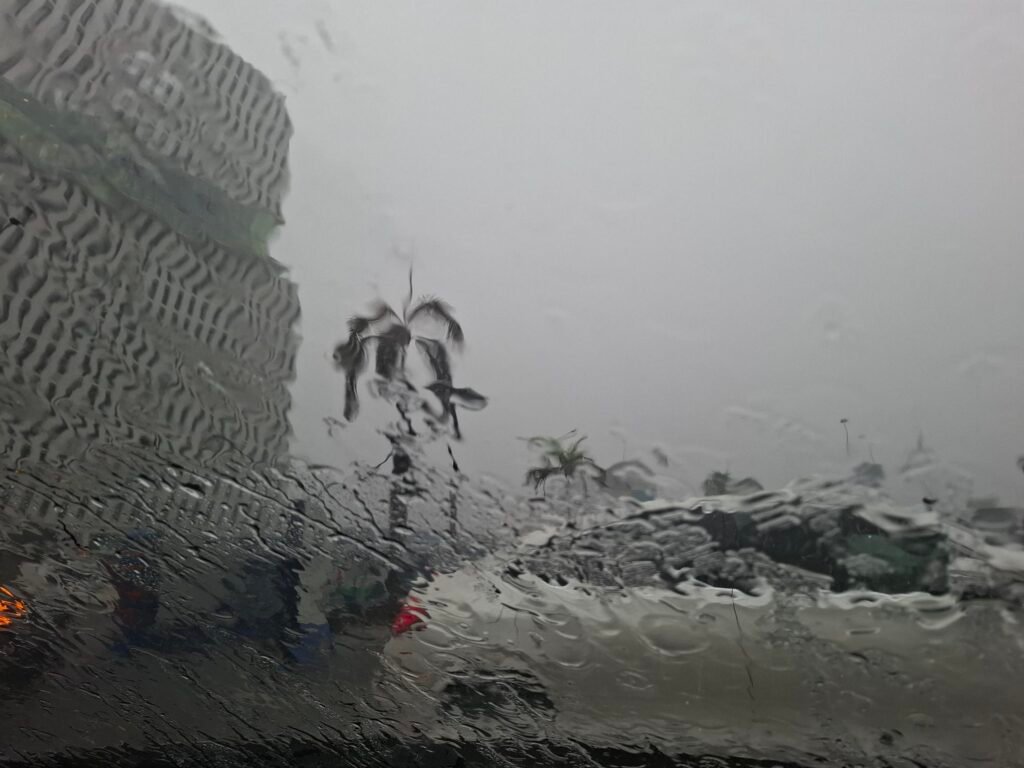
In addition, some roads can become impassable during heavy rains, even in the capital, Abidjan. Densely populated neighborhoods such as Yopougon, Abobo, and Koumassi are sometimes affected by sudden floods. Be extremely cautious if you stay in these areas and exercise care when traveling during or after heavy rainfall.
LGBTI Rights
In Ivory Coast, homosexuality is not criminalized, which sets the country apart from several other West African states. However, the social environment remains largely conservative, influenced by deeply rooted cultural and religious traditions. There is also no legal recognition of same-sex couples—no marriage, civil union, or official status.

Public displays of affection between same-sex partners are often poorly accepted in Côte d’Ivoire, especially outside major cities where social norms remain more conservative. In conclusion, for LGBT+ travelers, discretion is recommended—particularly outside Abidjan.
Road Safety
Ivory Coast has invested significantly in its road infrastructure. Major routes like the Abidjan–Korhogo highway or the coastal road Abidjan–San Pedro clearly illustrate this modernization. However, despite these efforts, road accidents remain frequent, and vigilance is essential.
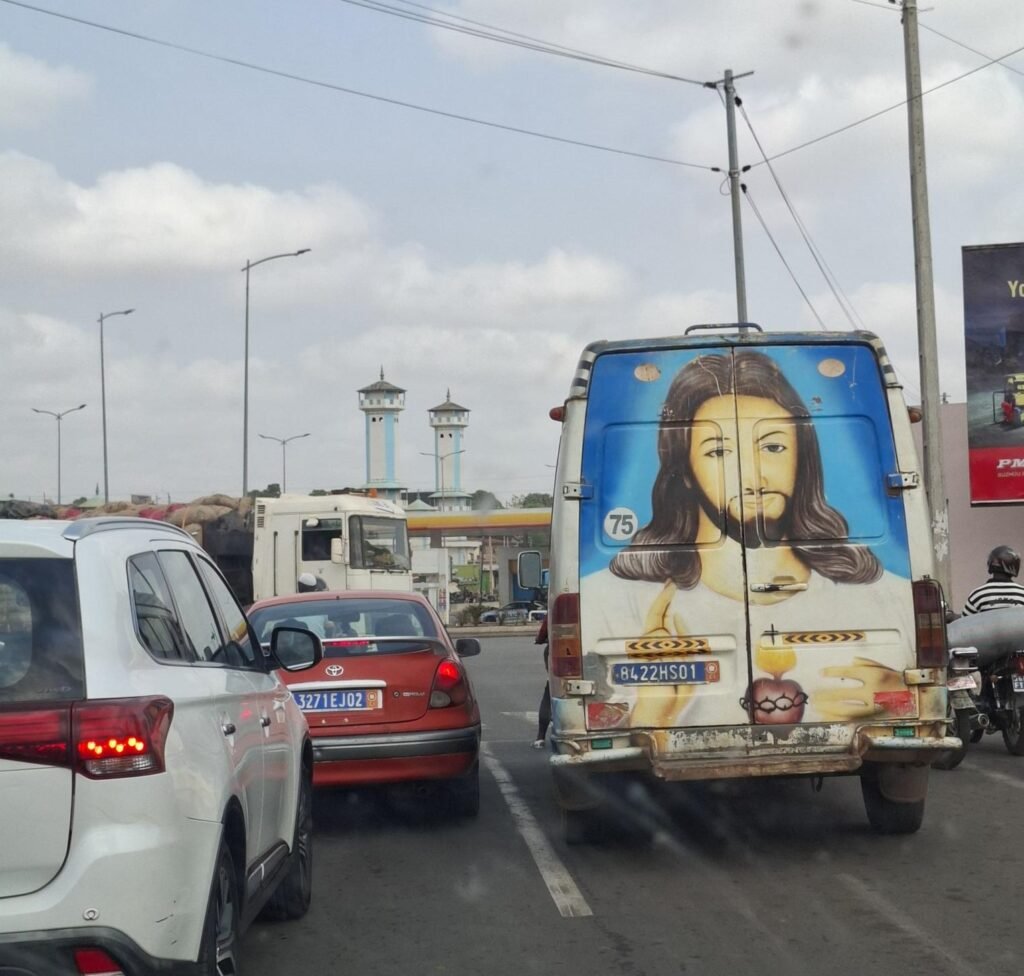
Given this reality, authorities and safety experts strongly recommend avoiding night travel, especially after 6:30 p.m. when darkness sets in. Several risks add to reduced visibility:
- Some drivers operate vehicles without headlights or with poor maintenance.
- Roads may have potholes that are sometimes hard to see.
- During the rainy season, landslides can occur on certain routes.
To travel more safely, plan to leave early in the morning, between 6:00 and 7:00 a.m. At that time, traffic is lighter, conditions are better, and risks are reduced. In addition, avoid peak hours:
- In the late afternoon, between 4:30 p.m. and 6:00 p.m.
- In the morning, between 7:30 a.m. and 10:00 a.m.
Digital Security and Cybersecurity for Travelers
Ivory Coast is a lower-middle-income country, and telecommunications are widely accessible. Even in remote villages far from the capital, almost everyone owns a mobile phone. Today, about 38% of the population has internet access. For this reason, it’s essential to protect yourself against cybersecurity risks.
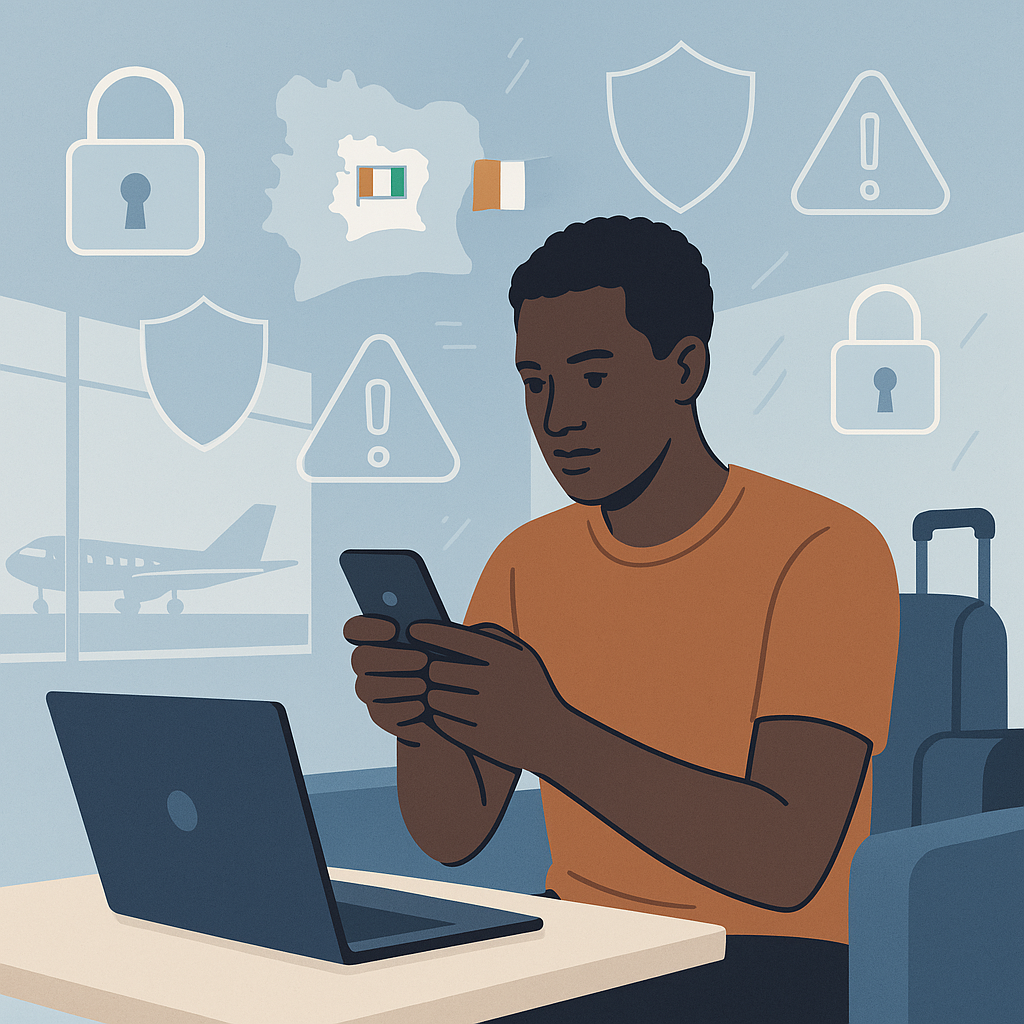
According to the report by the Telecommunications Regulatory Authority of Côte d’Ivoire, cyberattacks have sharply increased in the country, with more than 4,000 ransomware cases in 2023, mainly targeting businesses. Fraudsters can target travelers with online scams or hacking attempts, especially when using public or unsecured Wi-Fi connections.
Digital Security Checkpoints During Your Stay
First of all, here are the main digital risks a visitor may face:
- Hackers easily target public Wi-Fi networks, especially in hotels, restaurants, or airports.
- Suspicious apps: some apps downloaded outside official stores may contain spyware.
- Unreliable mobile payments: fraudulent platforms or unsecured links can steal your banking information.
Simple Tips to Protect Your Personal Data Abroad
- Download apps only from the App Store or Google Play.
- Install a VPN before you travel to browse securely on all public networks.
- Avoid financial transactions (such as payments or online banking) on free Wi-Fi.
- Check the full URL of any website before entering sensitive information.
- Turn off Bluetooth and automatic connections when not in use.
Practical Tips for Safe Travel
Traveling in Côte d’Ivoire can be an enriching experience—provided you take a few precautions to ensure personal safety and respect local norms. Here are some essential tips to help you enjoy your stay with complete peace of mind.
Respect Local Laws and Customs
While Ivory Coast is generally not overly strict, it maintains a deeply conservative approach to certain cultural aspects. Avoid public displays of affection, especially in rural areas or when visiting religious sites.
Dress modestly to respect local customs and for your own comfort. Avoid wearing very short pants or skirts, whether you are a man or a woman. This not only helps you blend in but also reduces the risk of sunburn.
Respect for the law is taken very seriously in Côte d’Ivoire. Even minor offenses can lead to severe penalties. Avoid any illegal activities, particularly drug possession or consumption, which is strictly prohibited and heavily punished.
Traffic violations follow an official procedure. Police may issue a receipt if you pay the fine in cash, and in some cases, they may temporarily hold your vehicle documents, which you can retrieve at the Abobo police station after payment.
Important: If officers ask you to pay the fine directly on the spot, you can politely refuse and opt for official payment channels—such as the Integrated Management Center (CGI), mobile money, or partner banks of the Public Treasury—to ensure you have a legal receipt. If the situation persists or becomes confrontational, contact your embassy immediately.
Emergency Numbers and Useful Contacts
- Police : 170, 110 or 111
- Fire Department : 180 or 07.07.81.18.18
- Medical Emergencies (SAMU): 185 or +225 27 22 44 53 53 (Cocody)
- Embassies:
| Embassy | Contact |
|---|---|
| Embassy of France |
(+225) 27.20.20.74.00 17 rue Lecoeur – Plateau – Abidjan |
| Consulate of France |
(+225) 27.20.20.75.00 Lun-Jeu : 7h30-12h45 / 14h30-17h30 Ven : 7h30-13h00 Numéro d’urgence (nuit, week-end et jours fériés) : +225 07 07 07 05 21 |
| Embassy of Canada | 23, Avenue Noguès, Immeuble Trade Center, 6e et 7e étage, Plateau, Abidjan, Côte d’Ivoire |
| Embassy of Spain | Impasse Ablaha Pokou. Cocody Danga Nord. 08 B.P. 876.- Abidjan 08. Téléphones dès l’Espagne: 00 225 27 2244 4850 /4577. Tél: 27 2244 4850 y 27 2244 4577. E-mail: emb.abidjan@maec.es |
Risk Table and Recommendations
| Theme | Risk Level | Recommendation |
|---|---|---|
| Health | 🟠 Medium | Anti-malaria treatment and bottled water |
| Food | 🟠 Medium | Eat cooked food, avoid raw vegetables |
| Terrorism (north) | 🔴 High (some areas) | Avoid the northeast |
| Beaches | 🟢 Low to medium | Be careful of strong currents |
| Clinics | 🟢 Good quality | Especially in Abidjan |
| LGBTI | 🟠 Medium/discretion | Be discreet in public places |
| Weather | 🟠 Medium | Travel during the dry season and be cautious when moving around during the rainy season |
| Road Safety | 🟠 Medium | Prefer daytime travel |
| Digital Security and Cybersecurity | 🟠 Medium | Avoid public wi-fi, install a VPN, and avoid online payments |
Conclusion
Traveling in Ivory Coast is an amazing and safe experience—as long as you have the right information. Prepare well, follow local advice, and enjoy this warm and vibrant country with peace of mind.
What about you? Have you ever visited Ivory Coast? Have you faced any risky situations? Share your experience in the comments—I’d love to read your stories!