
10 Interesting Facts About Ivory Coast You Should Know
Ivory Coast surprises, intrigues, and captivates. This West African country, young and vibrant, is full of cultural treasures that often go unnoticed. From living traditions and zouglou music to football passion and historical figures that shaped the continent, every corner tells a unique story.
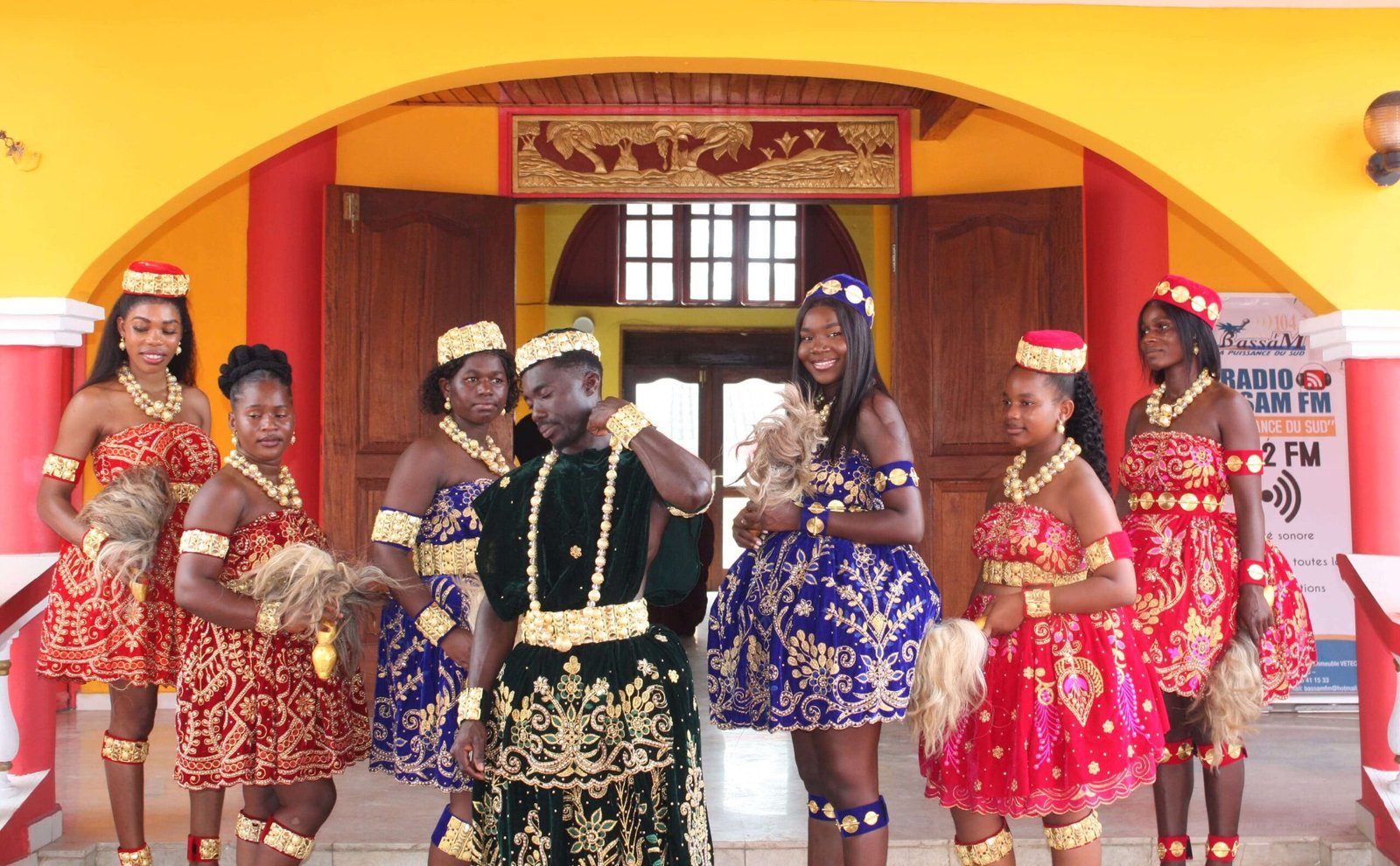
In this article, you’ll discover 10 fascinating facts about Ivory Coast, based on my personal experience after almost two years living in the country. I’ll guide you through customs, local expressions, and historical insights you won’t find in conventional guides. Get ready for a fascinating journey to the heart of a nation with a thousand faces.
1. A Young Population: 75% of Ivorians Are Under 35

In Ivory Coast, youth is everywhere: nearly 75% of the population is under 35. This demographic dynamism shapes daily life, where it’s common to see young mothers—a reflection of a vibrant, ever-evolving society.
According to the International Labour Organization (ILO), Ivory Coast has launched an ambitious Decent Work Promotion Program (2023–2027) aimed at improving social protection, strengthening labor market governance, and creating more jobs for young people.
2. Ivory Coast Is Home to Over 60 Ethnic Groups!
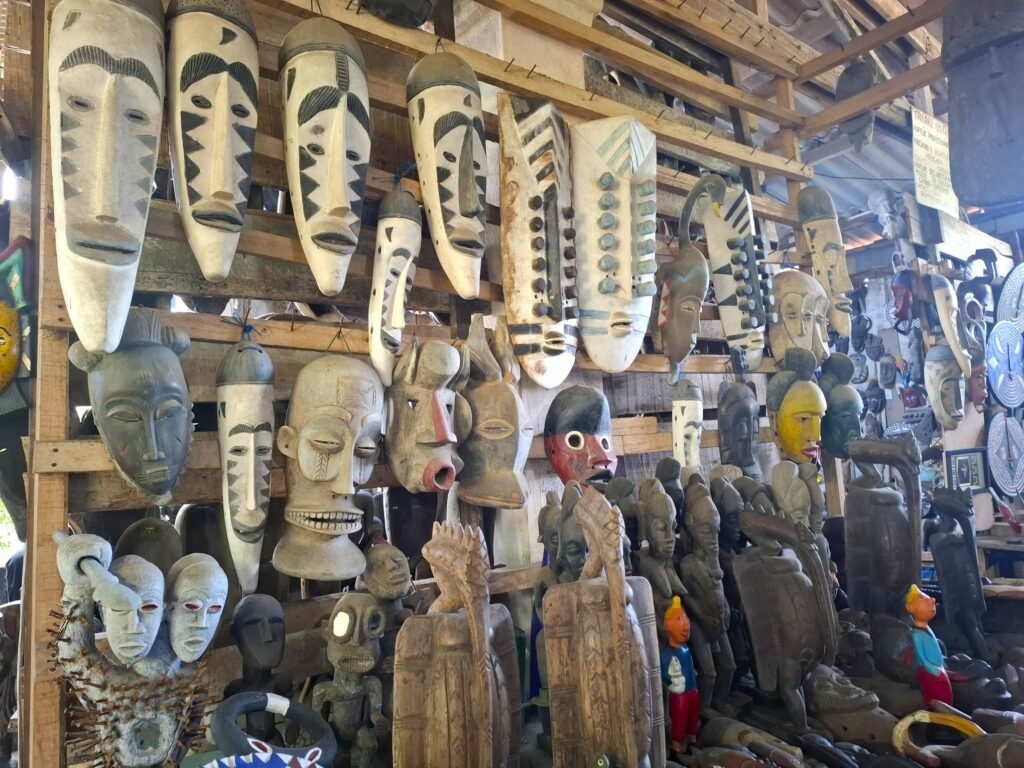
Although we often speak of sixty ethnic groups, there is no official figure to give an exact number. However, four major ethnic families can be distinguished in Ivory Coast: Akans, Gours, Mandés, and Krous.
Akans – The largest ethnic group, representing 38% of the population.They are divided into major subgroups:
- Baoulés (central Akans)
- Ébriés
- Abrons
- Agnis-Bafrés
Gour peoples – Found mainly in the northeast, making up 21% of the population. They include three subgroups:
- Sénoufos – Located in the central north near Mali and Burkina Faso (cities: Korhogo, Ferkessédougou, Boundiali, Katiola)
- Lorhons-Koulangos
- Lobis
Mandé groups – Represent 28% of the population, divided into two branches:
- Northern Mandé – Malinkés, Bambaras, Bamanas
- Southern Mandé – Yacoubas, Touras, Gagous
Krou peoples – Present in the south-central and west-central regions, accounting for 11% of the population. This group includes several ethnicities: Bétés, Wés, Wanés, Godiés, Didas, Kodias
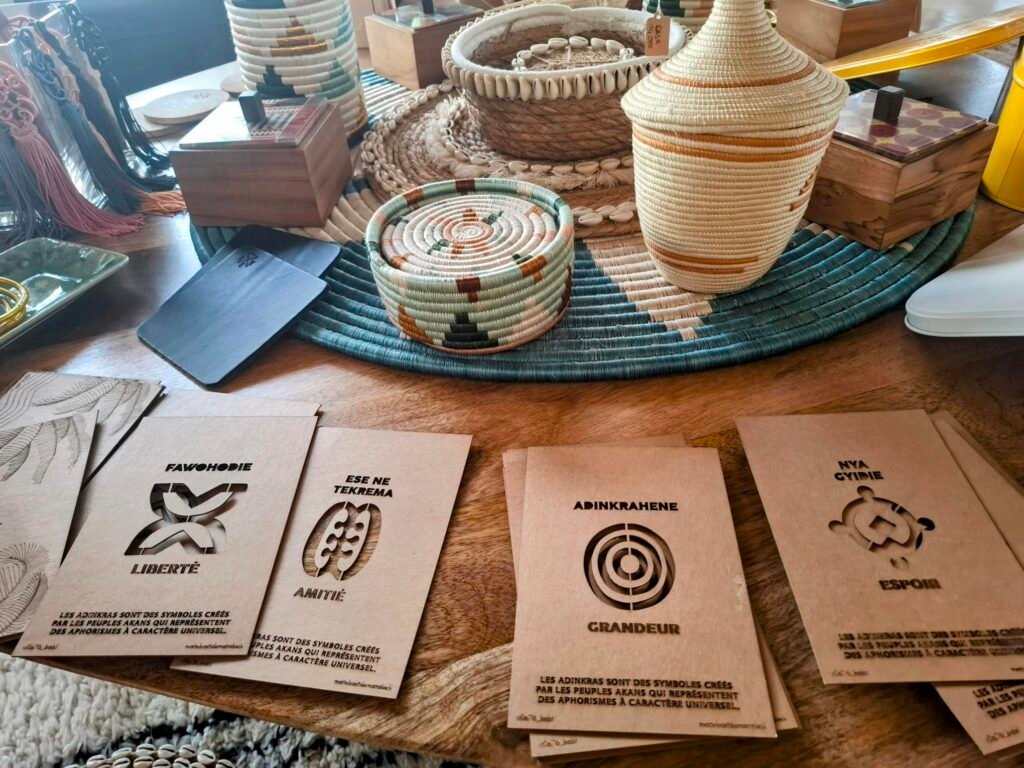
3. Ivory’s Coast Religious Diversity

Another interesting fact is that in Ivory Coast, Islam and Christianity coexist harmoniously, offering an inspiring model of peaceful coexistence. National holidays reflect this religious diversity: it’s common to celebrate Christmas, Easter, as well as Laylat al-Qadr, Ramadan, and Tabaski (Eid al-Adha). This cultural richness is an integral part of Ivorian identity.
If you plan to travel during the holy month of Ramadan, don’t worry: restaurants, hotels, and tourist sites remain open. You can fully enjoy your stay, discover local culture, and take part in various cultural and social activities.
4. Zouglou: Ivory Coast’s Iconic Music Genre
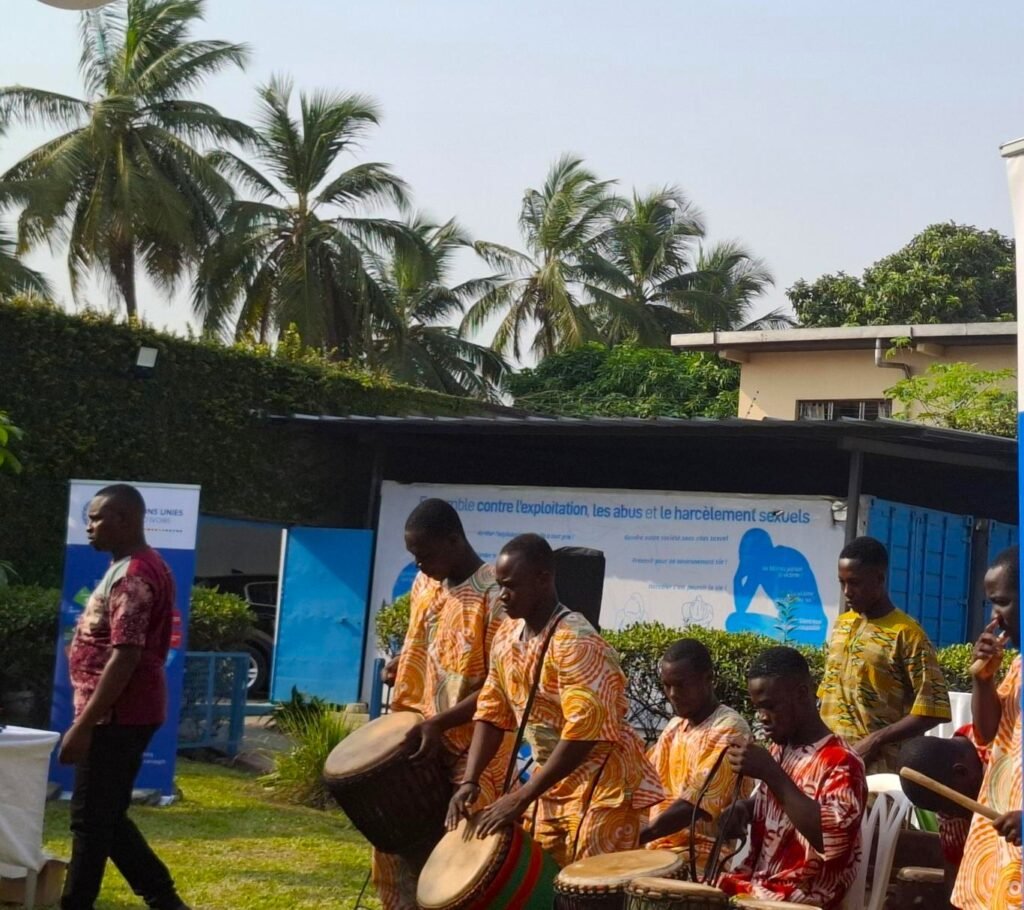
Zouglou is an iconic music genre from Ivory Coast, born in the 1990s. It features expressive vocals, rhythmic hand claps, percussion beats, and socially conscious lyrics that reflect everyday life and real-world challenges.
One of the most famous Zouglou groups, Magic System, conquered international audiences—especially in France in the early 2000s—with hits like Premier Gaou. Beyond their musical success, the band members are deeply committed to Ivory Coast’s development.
They founded the Fondation Magic System, which works in education, health, and culture, actively contributing to the country’s social progress.
5. Eating with Your Left Hand Is Considered Bad Manners in Ivory Coast
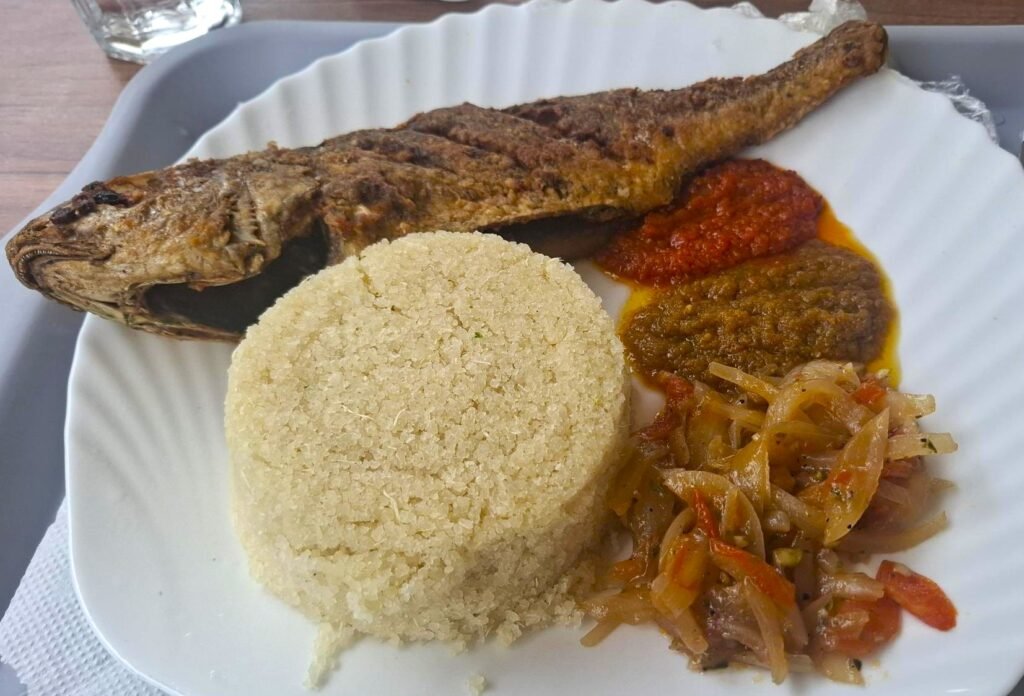
In Baoulé culture, eating with your left hand is considered very impolite!
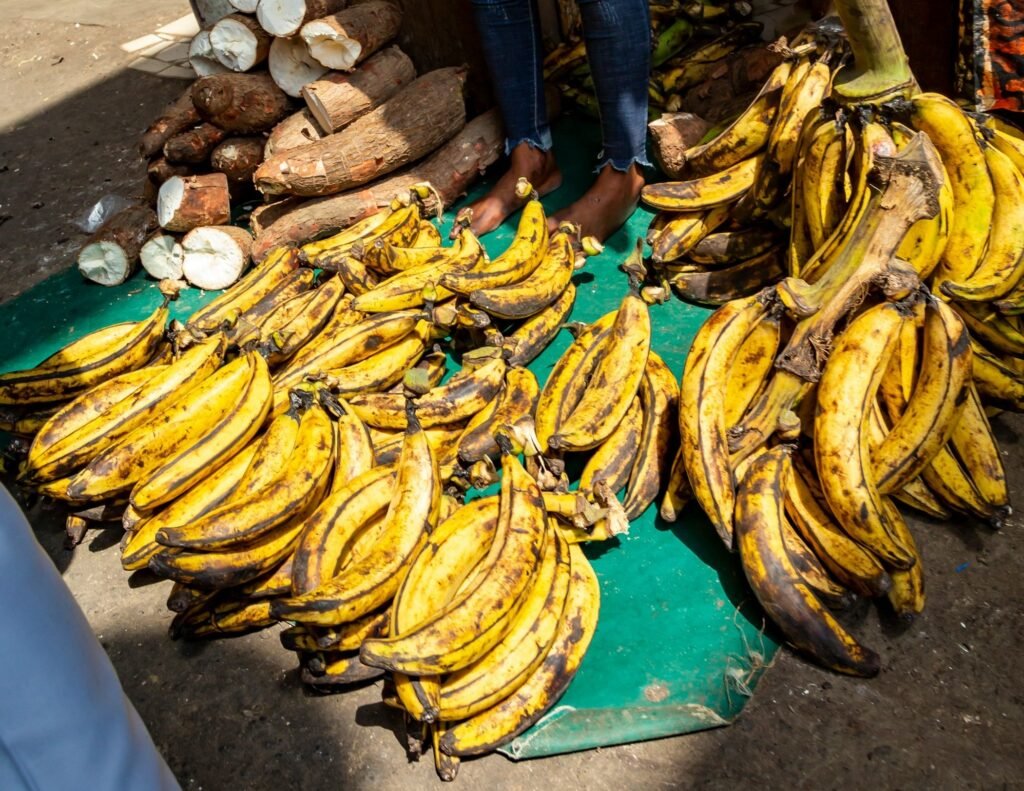
Also, forget the idea of eating attiéké with a fork—here, food is enjoyed with your hands! And honestly, some dishes like alloco (fried plantains) and attiéké (cassava couscous) taste even better this way.
6. Being curvy here is considered a sign of good health
If you’re a woman and you’ve gained a little weight since arriving in Ivory Coast, don’t worry—it’s completely normal. Your coworkers or acquaintances will casually say: “You’ve put on weight!”
Don’t feel embarrassed; here, it’s seen as something very positive. The editor and owner of this blog has heard this phrase many times and can confirm it’s not negative at all.
In fact, women with generous curves are highly valued in Ivory Coast and are affectionately called “apoutou.”
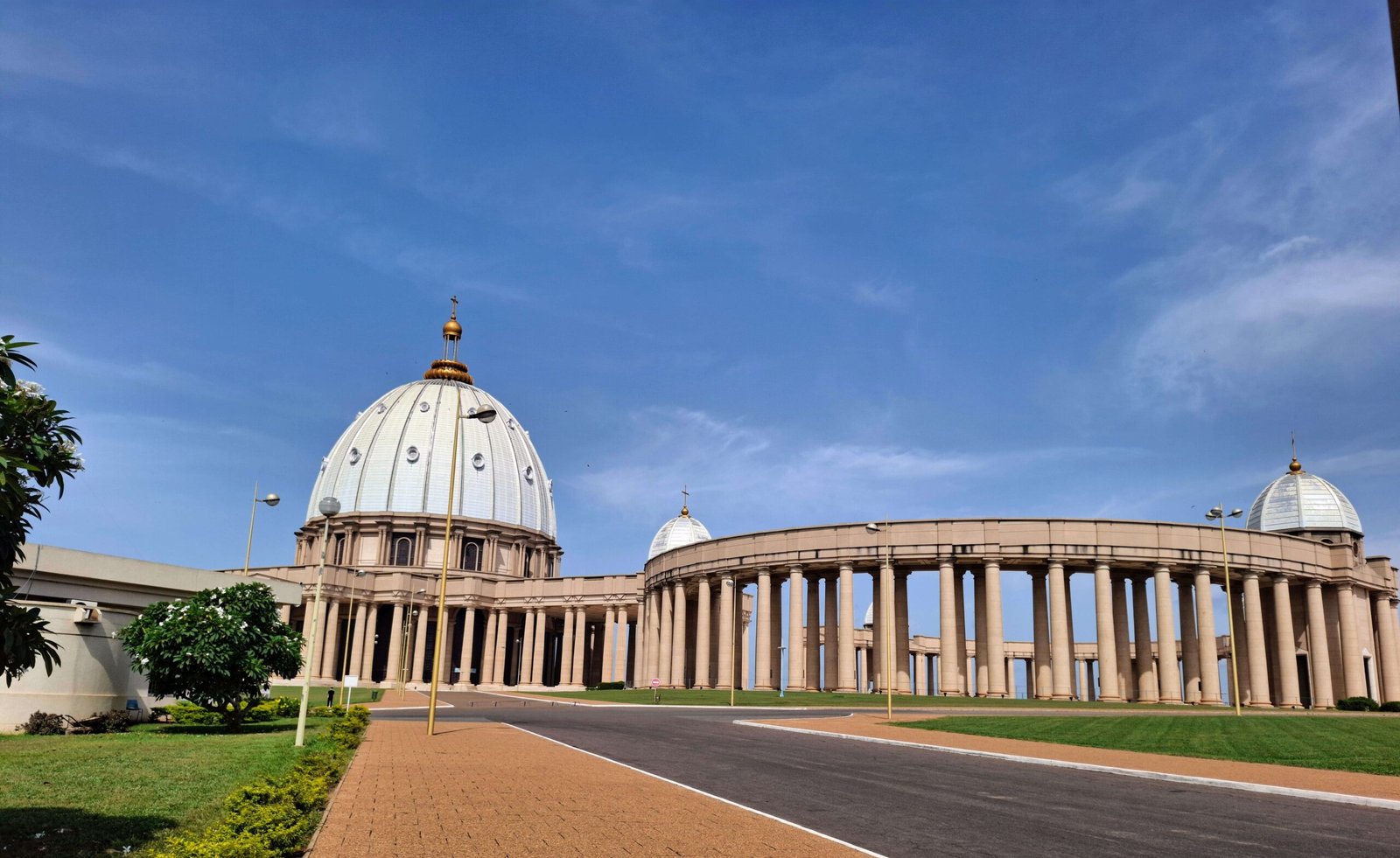
7. Félix Houphouët-Boigny: Ivory Coast’s first president and an iconic national figure
Born in Yamoussoukro, Félix Houphouët-Boigny was a visionary doctor and a key figure in Ivory Coast’s history. Deeply involved in social and political life from an early age, he founded one of the country’s first agricultural unions and stood out for his fight for workers’ rights and social progress.
Elected as a deputy to the French National Assembly, he played a decisive role in abolishing forced labor in overseas territories—a historic achievement recognized internationally. His commitment to justice, dignity, and equality earned him the status of a national hero.
In 1960, when Ivory Coast gained independence, Félix Houphouët-Boigny became the nation’s first president. He held this position for more than three decades, until his death in 1993, leaving a profound mark on the political, economic, and social development of the young nation.
The “Ivorian Miracle” (1970–1980)
Under his leadership, Ivory Coast experienced spectacular economic growth, often referred to as the Ivorian Miracle. This era of prosperity deeply transformed the country: major infrastructure development, expansion of the education system, and unprecedented regional influence made Ivory Coast a model of success in West Africa.
8. Ivory Coast has won the Africa Cup of Nations (AFCON) three times
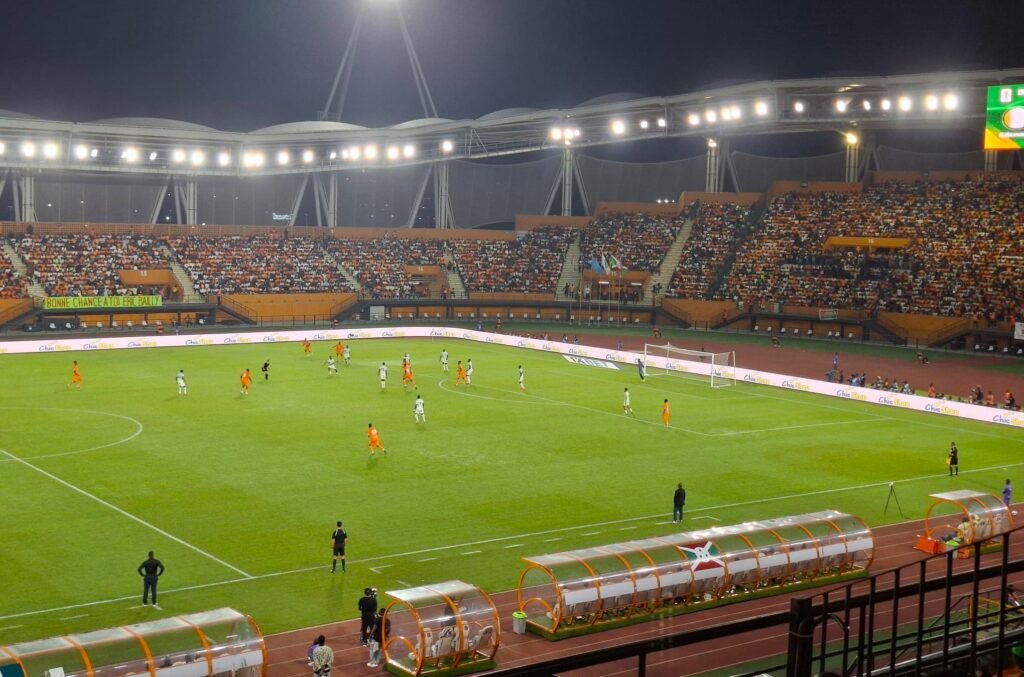
Ivory Coast has written its name in gold in African football history thanks to its Africa Cup of Nations (AFCON) victories in 1992, 2015, and 2023. These triumphs reflect the country’s talent, determination, and passion for the beautiful game.
Africa Cup of Nations 2023: A Historic Home Victory
The most recent edition, won in 2023, was especially memorable. Hosted on Ivorian soil, the tournament culminated in a decisive match against Nigeria, where the Elephants claimed a 2–1 victory over their West African neighbors. This win was celebrated nationwide as a symbol of unity and national pride.
9. Calling a white person ‘Blanche’ is not considered offensive at all
In Ivory Coast, it’s common to give the name “Blanche” to a little girl whose skin is slightly lighter than that of her relatives. This choice is not at all offensive—it’s part of an affectionate cultural tradition where names often reflect physical traits or birth circumstances.
A term without judgment
So, if you’re walking down the street and someone calls out “la Blanche” or “le Blanc,” don’t be surprised. It’s a familiar and friendly way to address you, with no negative connotation. This practice highlights the richness of Ivorian social codes, where nicknames and names often carry warmth and closeness.
10. Language in Ivory Coast
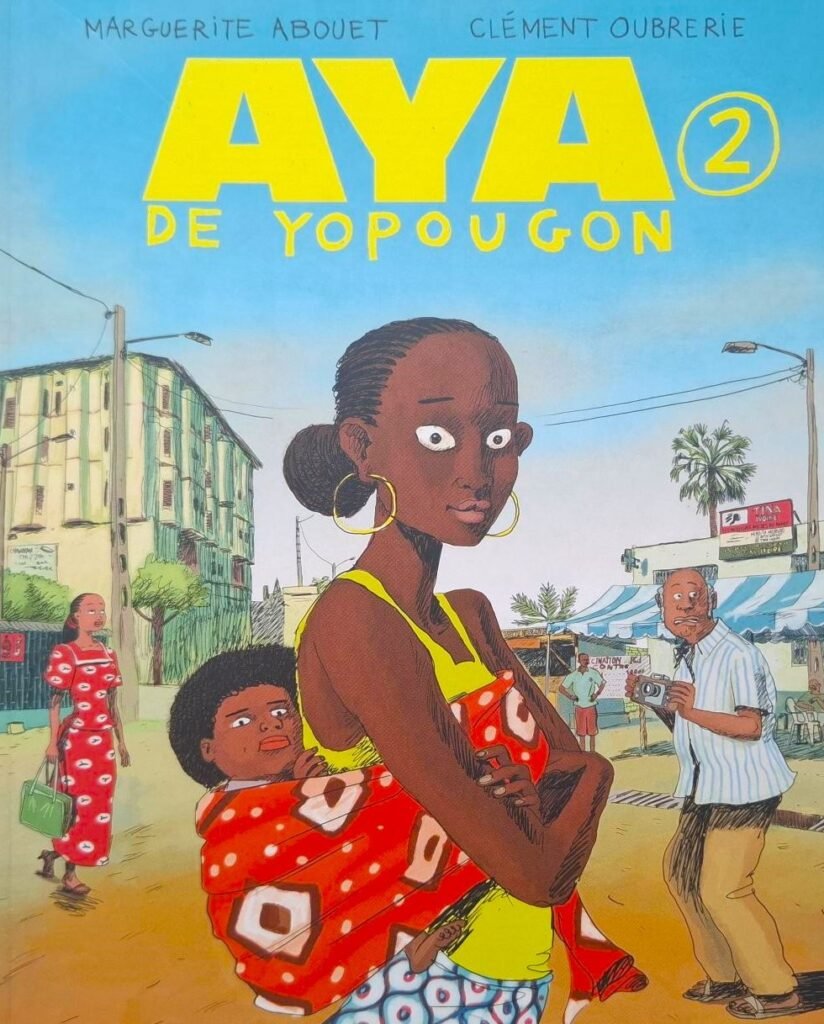
“Ivorian French” is a local variant of French, (the official language in Ivory Coast), enriched with vivid expressions, original turns of phrase, and a touch of humor that’s uniquely Ivorian. It’s a living language full of creativity, reflecting the country’s culture and mindset.
Whether you’re visiting or living in Ivory Coast, learning a few Ivorian French expressions will help you interact better with locals, understand cultural nuances, and fully immerse yourself in the country’s vibrant atmosphere.
Here are some must-know expressions:
| Bien frappé ! = Ice cold! Especially when you want to order a beer at a bar or restaurant. Yako = An Ivorian Expression of Compassion Ivorians use this phrase to express empathy in all situations. It applies if you’re sick, going through a difficult time in your life, or grieving the loss of a loved one. C’est gâté ! = The situation gets out of control—especially when the party starts. Gaou = Anyone who is not Ivorian. Depending on the context, it can also refer to someone who is naïve or unfamiliar with Ivorian realities. |
👉Do you know other typical expressions or cultural curiosities from Ivory Coast? Share them in the comments—I can’t wait to read your ideas!