
10 Interesting Facts About Ivory Coast You Should Know
Looking for interesting facts about Ivory Coast? From being the world’s largest cocoa producer to its vibrant Zouglou music scene and unique local slang, Côte d’Ivoire is one of West Africa’s most fascinating countries.
In this guide, you’ll discover 10 surprising and fun facts about Ivory Coast based on my personal experience living in the country for more than two years. Whether you’re planning a trip, or simply curious about this West Africa Country, these little-known facts will help you understand the country beyond the usual travel guides.
Ivory Coast, officially known as Côte d’Ivoire, takes its name from the country’s historical role in the ivory trade during the colonial era. In 1985, the government requested that the French name “Côte d’Ivoire” be used internationally in all languages, rather than translating it. However, in English, both “Ivory Coast” and “Côte d’Ivoire” are still commonly used today.
1. Ivory Coast Population: Young and Dynamic
One of the most surprising facts about Ivory Coast is its incredibly young population. Around three-quarters of Ivorians are under the age of 35, creating a country full of energy, creativity, and constant change (RGPH, 2021).
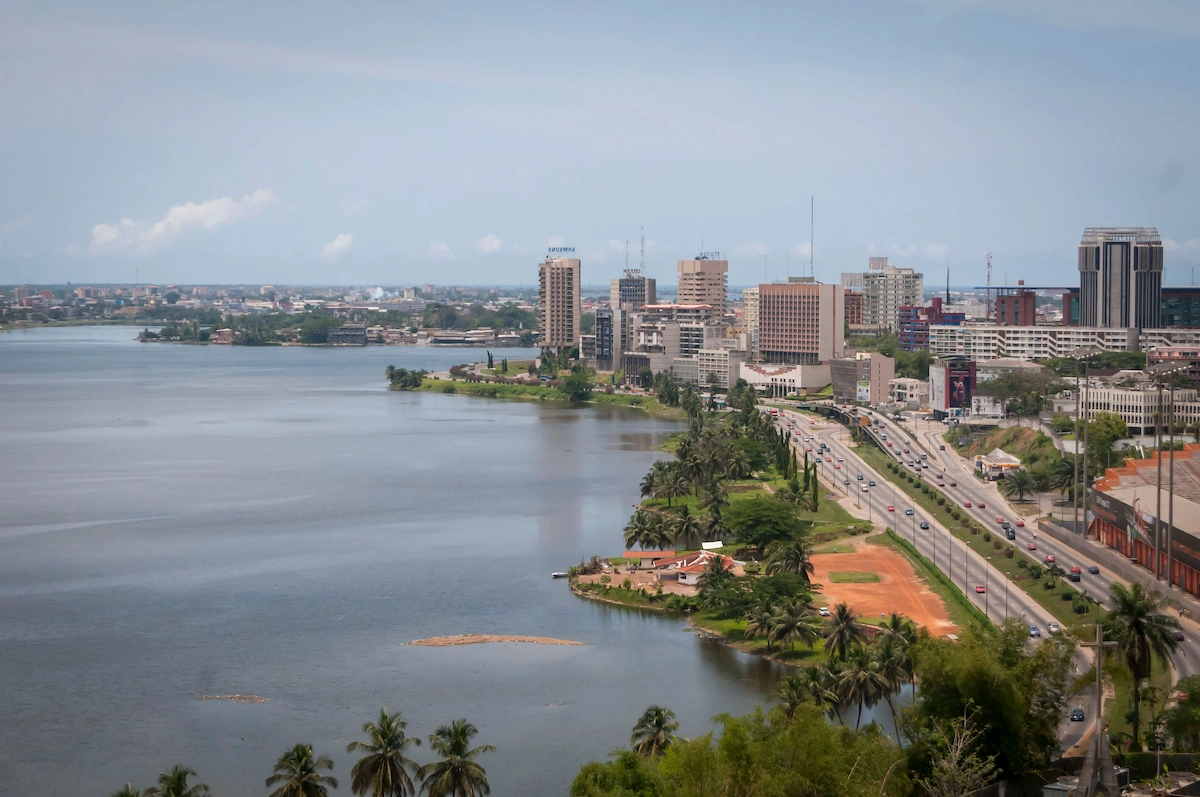
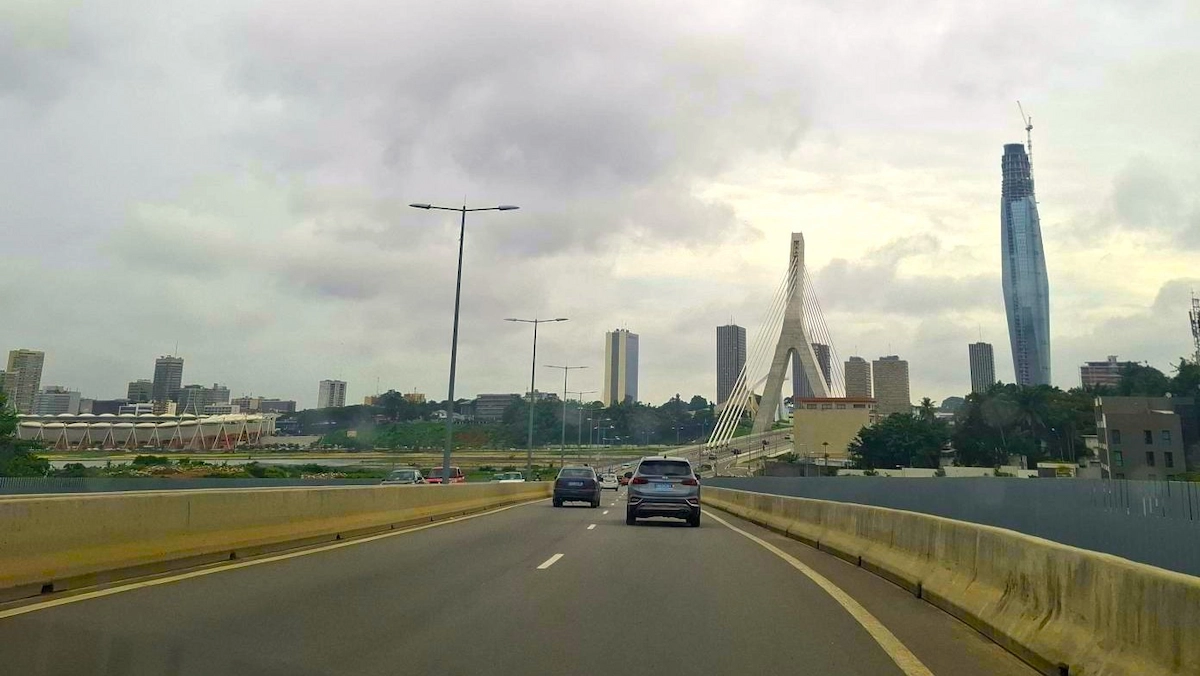
After living in Côte d’Ivoire for two years, one of the things that impressed me the most was this youthful atmosphere. You can feel it everywhere: in the streets of Abidjan, in local fashion, in entrepreneurship, in nightlife, and especially in the country’s vibrant music scene. This young generation is shaping the future of Ivory Coast and giving the country a dynamic identity that makes it one of West Africa’s most fascinating places to discover.

✈️ Want to experience the energy of Ivory Coast for yourself?
Discover Abidjan, meet its young generation, and start planning your trip to Côte d’Ivoire.
2. Football in Ivory Coast
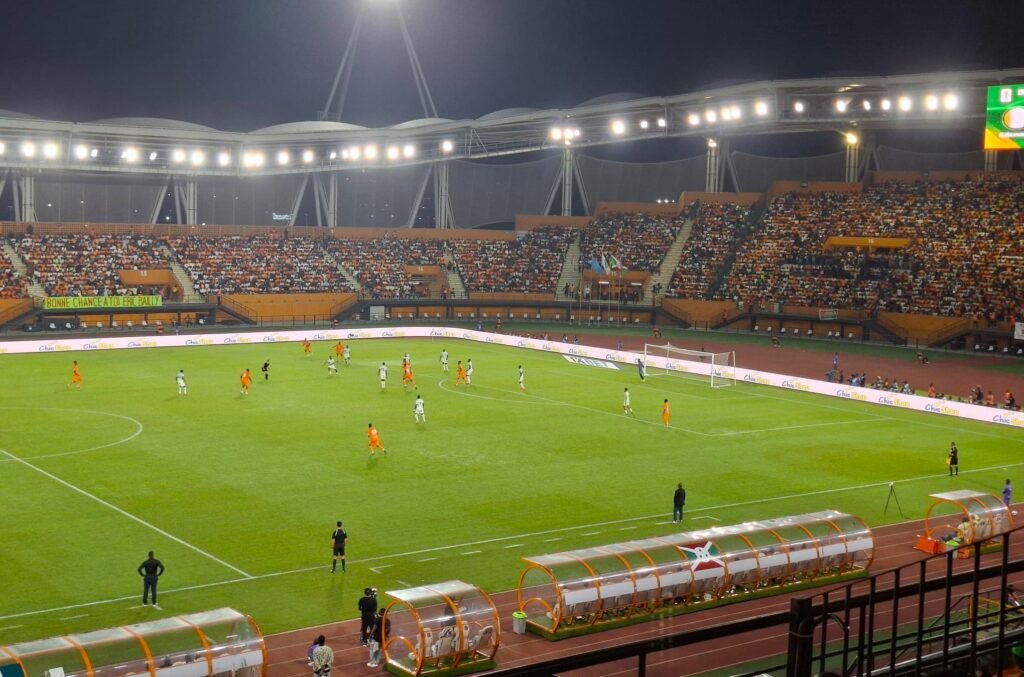
Among all the fun facts about Ivory Coast, its passion for football is probably one of the most visible. For many Ivorians, football is not just entertainment—it is a source of national pride and a powerful symbol of unity. The national team, known as Les Éléphants (The Elephants), has written an important chapter in African football history by winning the Africa Cup of Nations in 1992, 2015, and 2023. The national team is more than a football team: Les Éléphants have become a symbol of national identity, especially during moments when the entire country celebrates together.
The 2023 AFCON victory was especially unforgettable. Hosted partly in Abidjan, the tournament brought the entire country together, and the final victory against Nigeria created celebrations across Côte d’Ivoire. Football is everywhere: from children playing on the streets to packed cafés during major matches. It is one of those unique facts about Ivory Coast that every visitor quickly notices.
3. Ivory Coast as the World’s Top Cocoa Producer
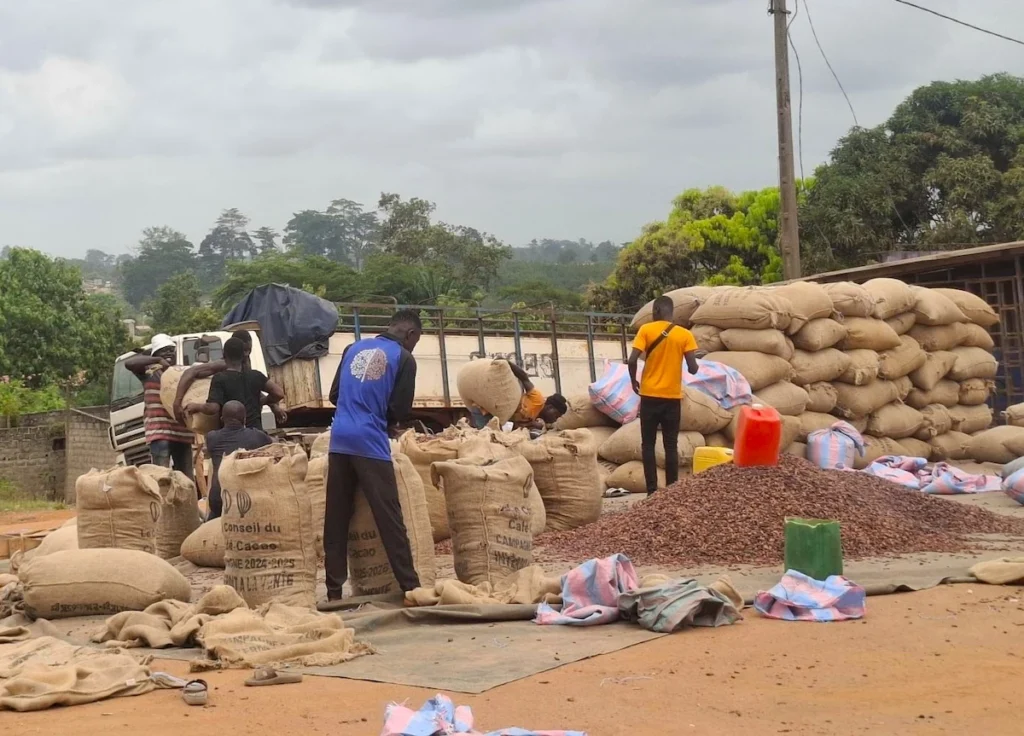
One of the most famous facts about Ivory Coast is that it is the world’s leading cocoa producer. The country supplies more than 40% of global cocoa production, meaning that a small piece of Ivorian soil is behind much of the chocolate enjoyed around the world. Known as the country’s “brown gold,” cocoa plays a central role in the economy and supports millions of people, especially in rural areas.
Beyond cocoa production, Ivory Coast agriculture is one of the strongest economic forces in West Africa. In recent years, it has also developed other agricultural industries, including cashew processing, becoming a major player in global markets. For chocolate lovers and curious travelers, this is one of the most fascinating facts about Côte d’Ivoire: a country thousands of kilometers away can be directly connected to something found in kitchens everywhere.
4. Nouchi: The Unique Street Language in Ivory Coast
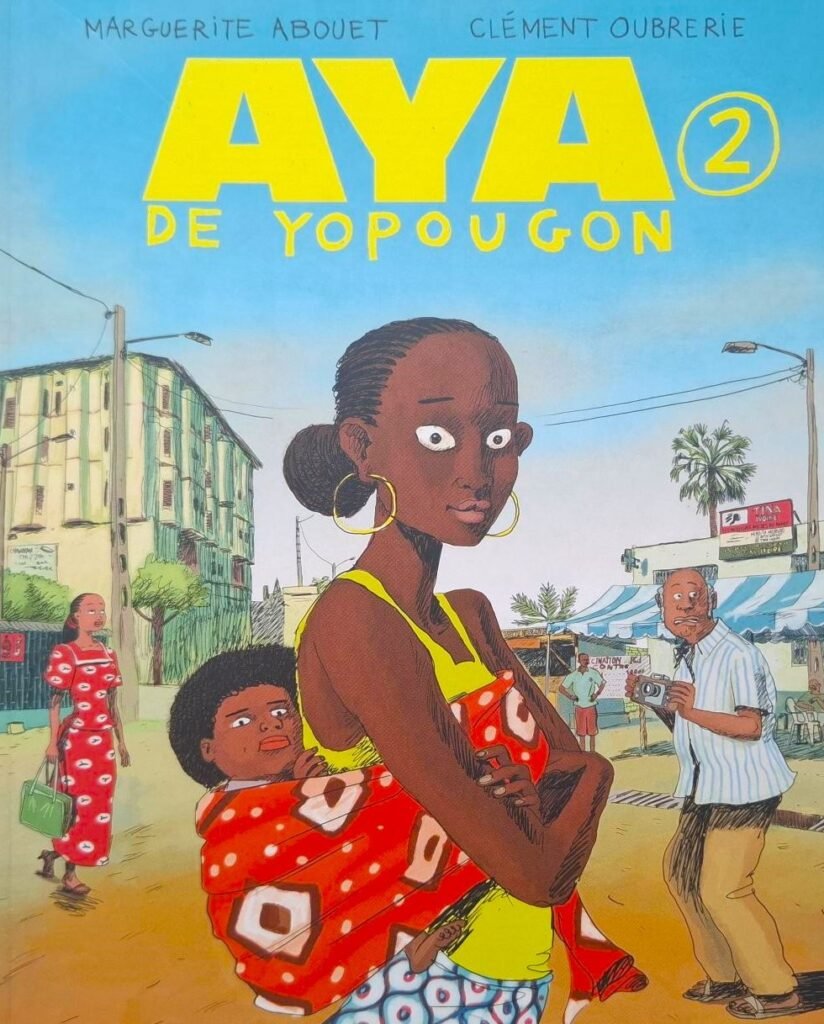
While French is the official language used in schools and government, the true heartbeat of the streets is Nouchi. Born in Abidjan as urban slang, Nouchi is a creative mixture of French, local languages, and expressions influenced by different communities. It is constantly evolving and reflects the humor, imagination, and identity of young Ivorians.
Knowing a few words will connect you with the locals:
| Bien frappé ! = Ice cold! Especially when you want to order a beer at a bar or restaurant. Yako = An Ivorian Expression of Compassion Ivorians use this phrase to express empathy in all situations. It applies if you’re sick, going through a difficult time in your life, or grieving the loss of a loved one. C’est gâté ! = The situation gets out of control—especially when the party starts. Gaou = Anyone who is not Ivorian. Depending on the context, it can also refer to someone who is naïve or unfamiliar with Ivorian realities. |
5. Yamoussoukro Has One of the World’s Largest Churches
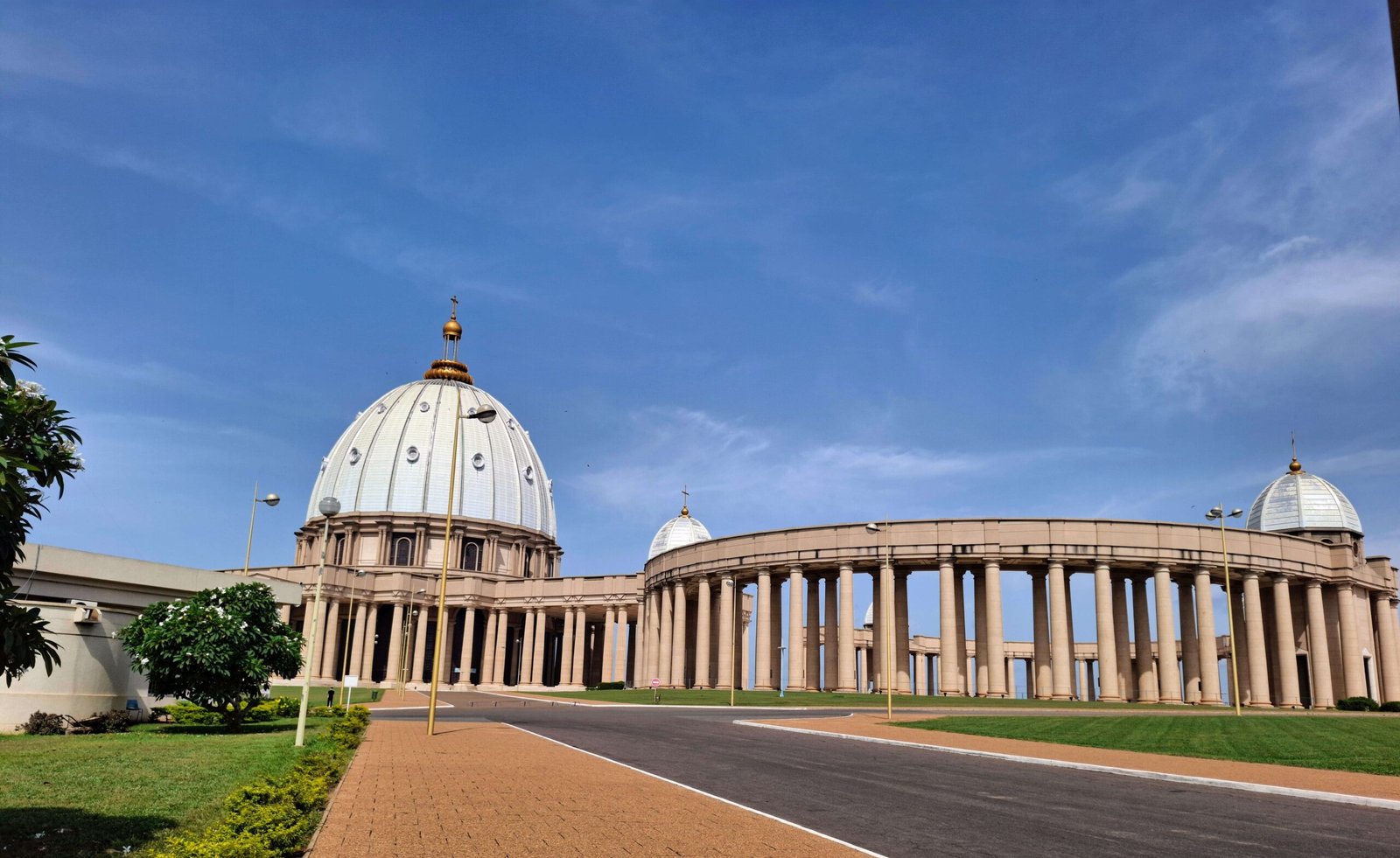
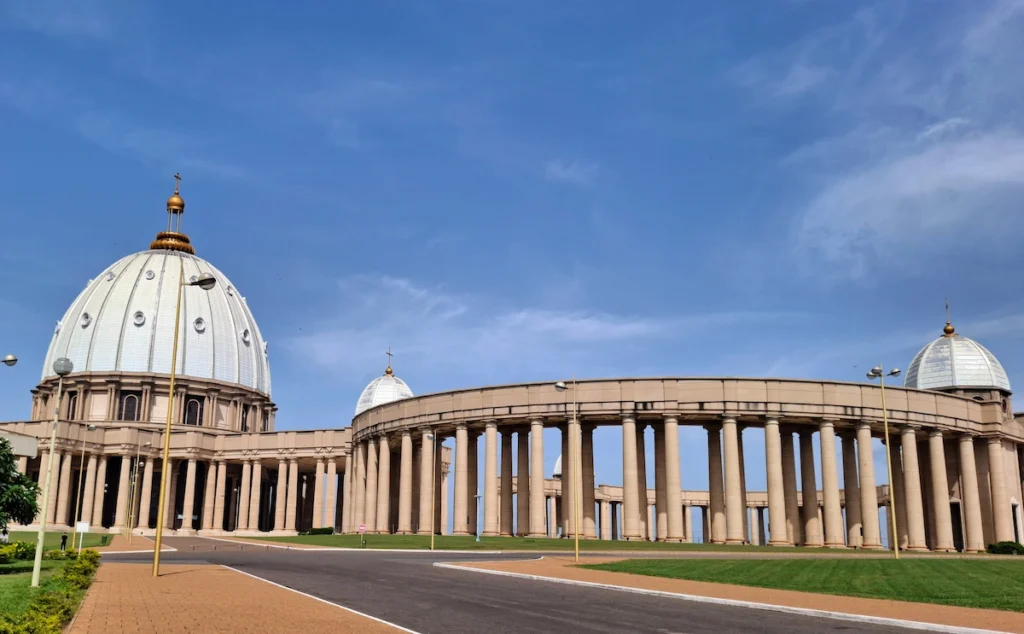
One of the most surprising facts about Ivory Coast is hidden in its political capital, Yamoussoukro. The city is home to the Basilica of Our Lady of Peace, one of the largest Christian churches ever built. Inspired by St. Peter’s Basilica in Vatican City, this impressive monument can welcome tens of thousands of visitors and dominates the landscape of the city.
Its enormous size, European-inspired architecture, and unexpected location in a relatively quiet African capital make it one of the most unusual landmarks in West Africa. For many visitors, discovering this gigantic basilica is one of the biggest surprises when exploring Côte d’Ivoire.
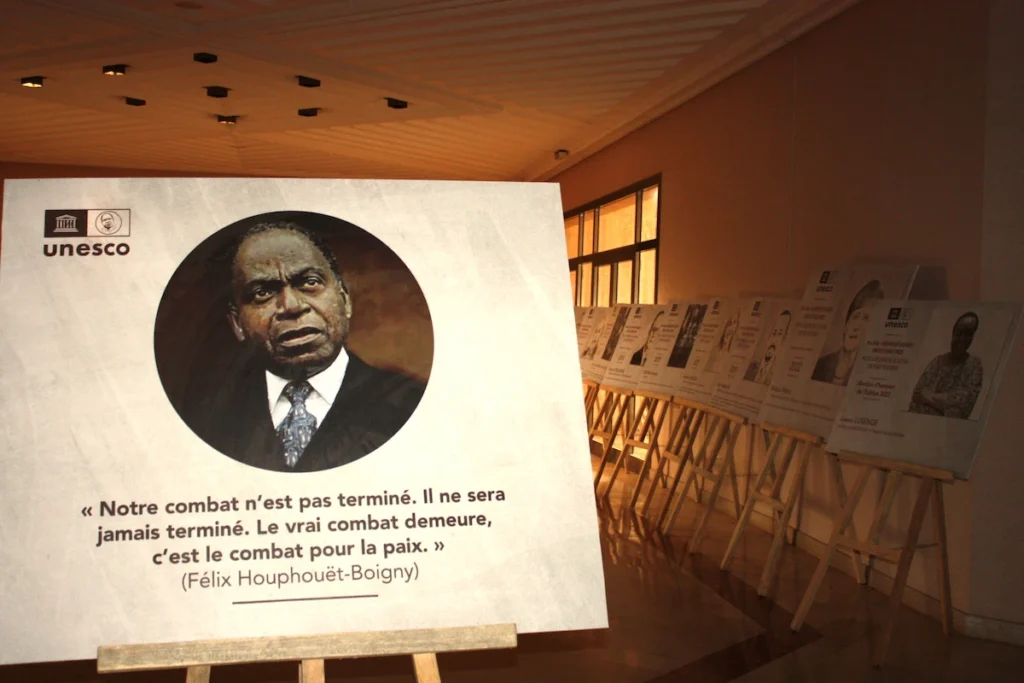
Yamoussoukro is also the birthplace of Félix Houphouët-Boigny, the first president of Ivory Coast after independence in 1960. Under his leadership, the city was transformed into the political capital of the country and became home to some of its most ambitious projects, including the famous Basilica of Our Lady of Peace. Houphouët-Boigny also led Ivory Coast during the famous “Ivorian Miracle” (1970–1980), a period of rapid economic growth and major infrastructure development that made the country one of West Africa’s most prosperous nations.
Planning to visit Yamoussoukro? Staying overnight allows travelers to explore the Basilica of Our Lady of Peace, the Presidential Palace area, and the city’s unique atmosphere at a slower pace. Check hotels availability.
6. Ivorian Cuisine
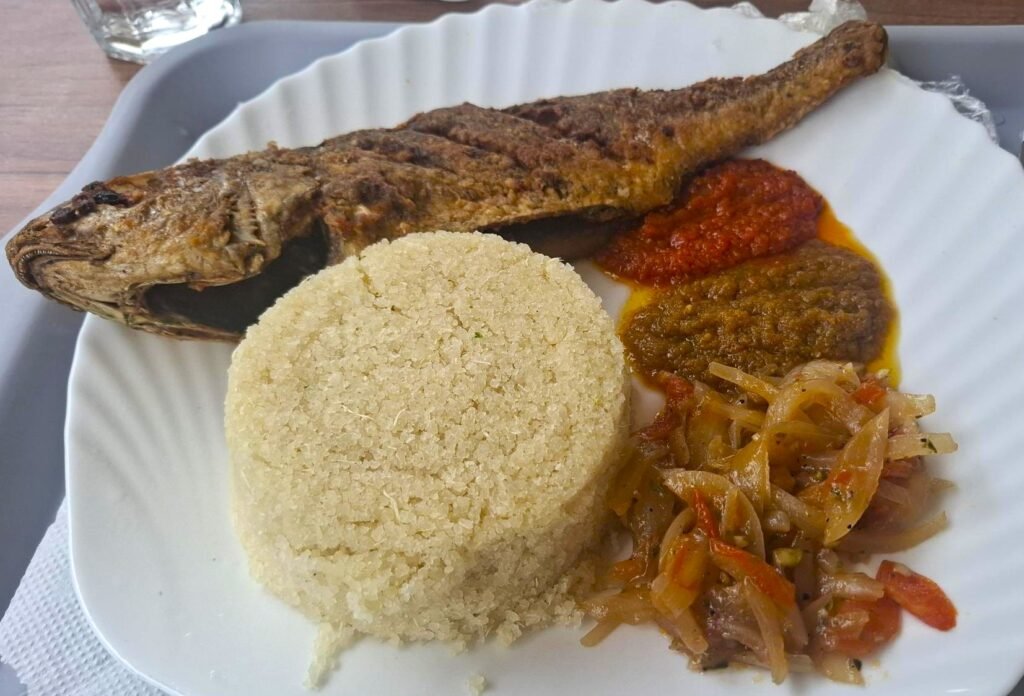
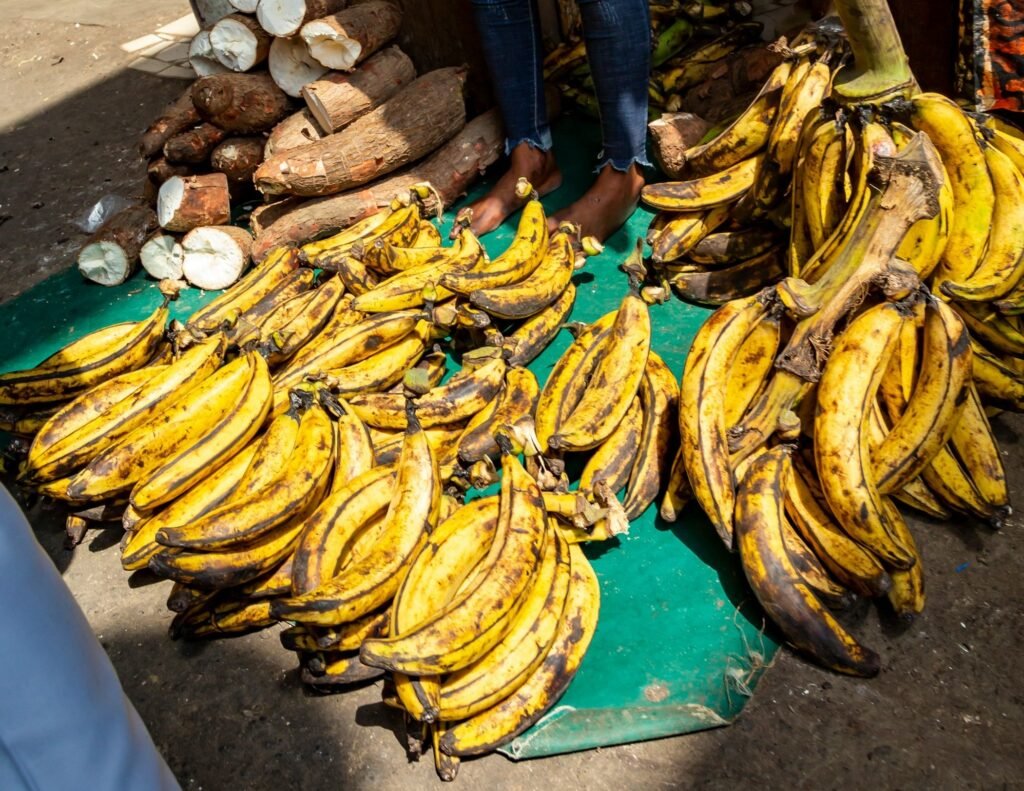
Food is one of the best ways to understand Ivory Coast culture. Traditional Ivorian dishes are not only about flavors—they also reflect social habits and cultural values. Popular dishes such as attiéké (cassava couscous) and alloco (fried plantains) are traditionally eaten with your hands, especially when shared with family or friends.
In Baoulé culture, using the left hand while eating can be considered disrespectful, as the right hand is traditionally associated with sharing food. From grilled fish along the coast to famous dishes served in local restaurants, Ivorian gastronomy is one of the most memorable cultural experiences for visitors.
A weekend by the sea?
Discover our selection and book the best hotels and lodges in Grand-Bassam and Assinie.
7. Ivory Coast is Home to Many Ethnic Groups and Traditions
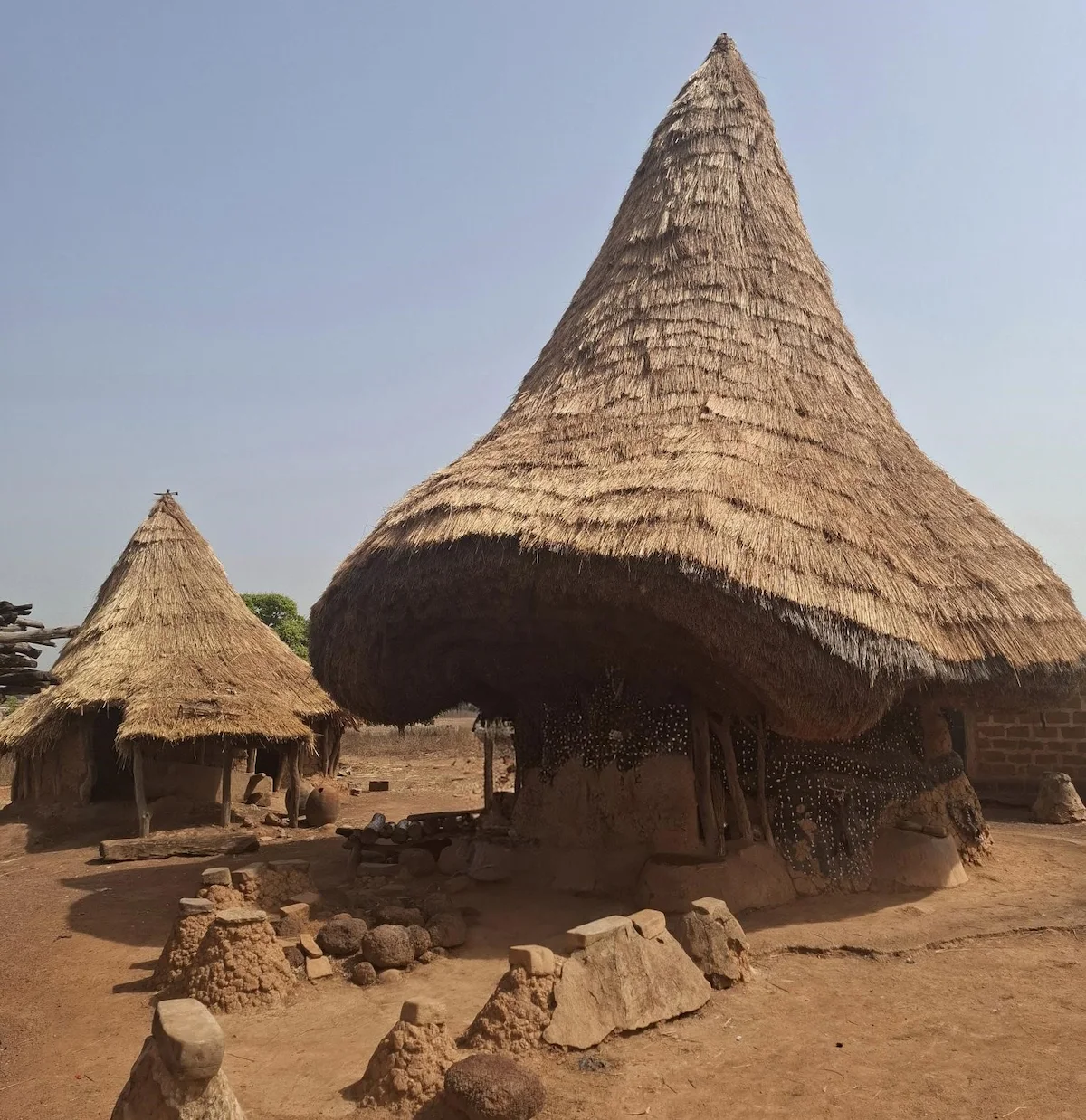
Another fascinating fact about Ivory Coast is its incredible cultural diversity. Although people often mention “more than 60 ethnic groups,” there is no single official number because communities can be classified in different ways. The country’s main cultural families are generally divided into four large groups: the Akan, Gour, Mandé, and Krou peoples.
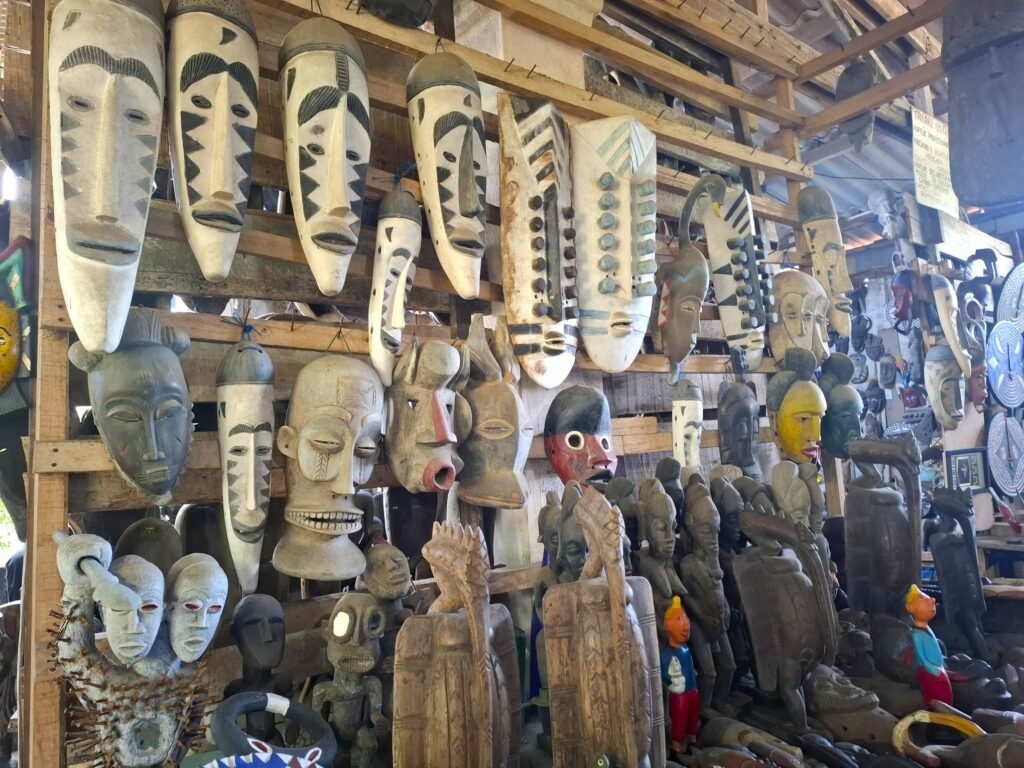
Each community has its own traditions, languages, celebrations, clothing styles, and artistic expressions. This diversity can be seen everywhere, from traditional masks and ceremonies to local music and regional cuisine. Exploring Ivory Coast means discovering many different cultures within one country.
The Akan Peoples
- The Akan are the largest cultural group in Côte d’Ivoire, representing around 38% of the population. They include the Baoulé, Ébrié, Abron, and Agni communities.
- Their traditions have had a major influence on Ivorian history, art, ceremonies, and symbols.
The Gour Peoples
- Mainly located in the north and northeast, Gour communities include the Sénoufo, Lobi, and Koulango peoples.
- The region around Korhogo is especially famous for traditional crafts, masks, and cultural festivals.
The Mandé Peoples
- Representing a large part of the population, Mandé communities include Malinké, Bambara, Yacouba, Toura, and Gagou groups.
- Many visitors discover their rich traditions while exploring western and northern Côte d’Ivoire.
The Krou Peoples
- Located mainly in the west and southwest, Krou groups include the Bété, Wé, Dida, and Godié communities.
- Their artistic traditions, dances, and masks are an important part of Ivory Coast’s cultural heritage.
Need to get around?
Rent a suitable vehicle or book a car with a driver to explore the interior of the country.
8. Ivory Coast’s Religious Diversity
A beautiful and often overlooked fact about Ivory Coast is its religious diversity and coexistence. Islam and Christianity are the two main religions, but traditional beliefs also remain an important part of cultural life. Throughout the year, Ivorians celebrate different religious holidays, including Christmas, Easter, Ramadan, Tabaski (Eid al-Adha), and Laylat al-Qadr.
In cities like Abidjan, churches and mosques stand as symbols of the country’s multicultural identity. For travelers, this atmosphere of diversity is one of the most inspiring aspects of Côte d’Ivoire and an example of how different communities share the same social space.

9. Zouglou: Ivory Coast’s Iconic Music Genre
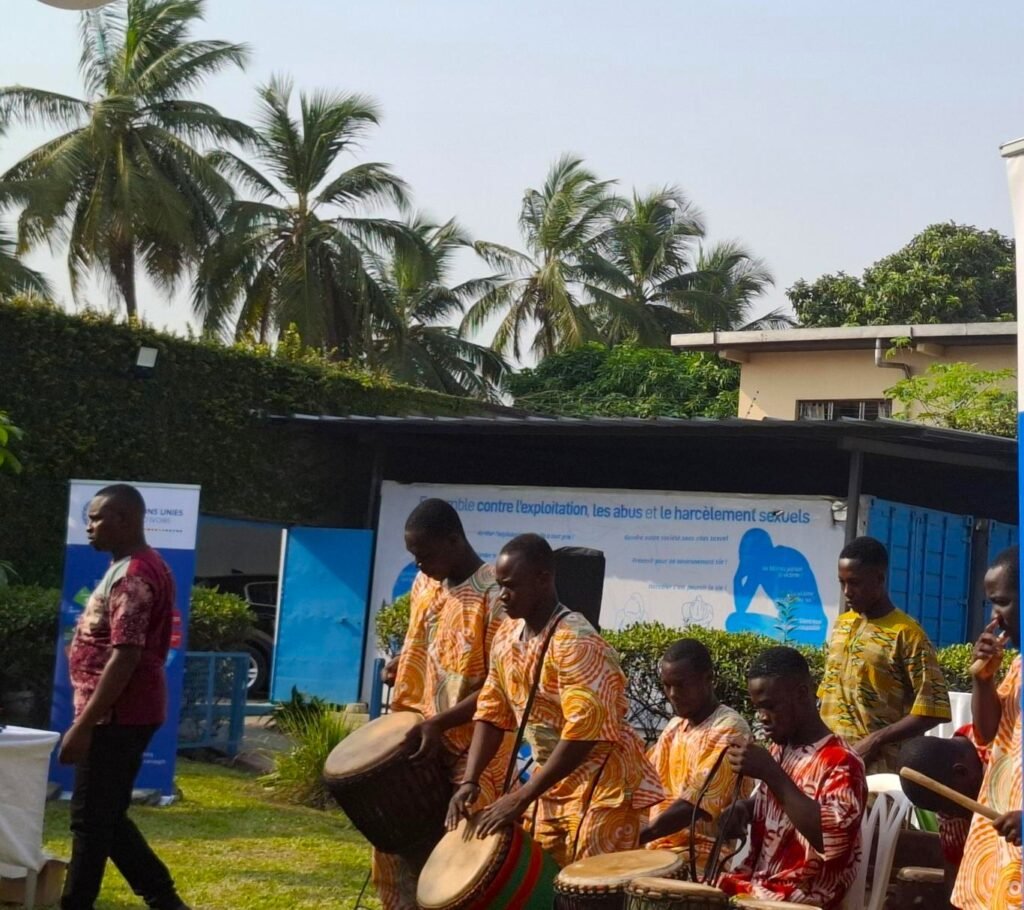
Among the most unique facts about Ivory Coast is the story of Zouglou, one of the country’s most iconic cultural exports. This music style was born in the universities of Abidjan during the 1990s. Combining energetic rhythms, hand clapping, traditional percussion, and social commentary, Zouglou became the voice of a generation.
The group Magic System brought Ivorian music to international audiences with the worldwide hit “Premier Gaou” in the early 2000s. Today, Zouglou remains an important part of Ivorian identity and shows how music can reflect everyday life, humor, and social realities
10. Local Beauty Standards: the Apoutou Women
One of the most surprising cultural facts about Ivory Coast is its traditional view of beauty. In many Ivorian communities, curves and a fuller body have historically been associated with health, prosperity, and happiness. Women with generous curves may be affectionately described as apoutou.
If you are a foreign woman visiting Côte d’Ivoire, someone telling you that you have gained weight is not necessarily a criticism—it can actually be intended as a compliment showing that you look healthy and well. Beauty standards vary around the world, and this cultural perspective is a fascinating reminder that ideas of attractiveness are shaped by history and society.
🗺️ Ready to plan your trip to Ivory Coast?
After discovering these fascinating facts, it’s time to start planning your on-the-ground itinerary! Explore our complete and up-to-date travel guides to discover the most beautiful destinations in the country:
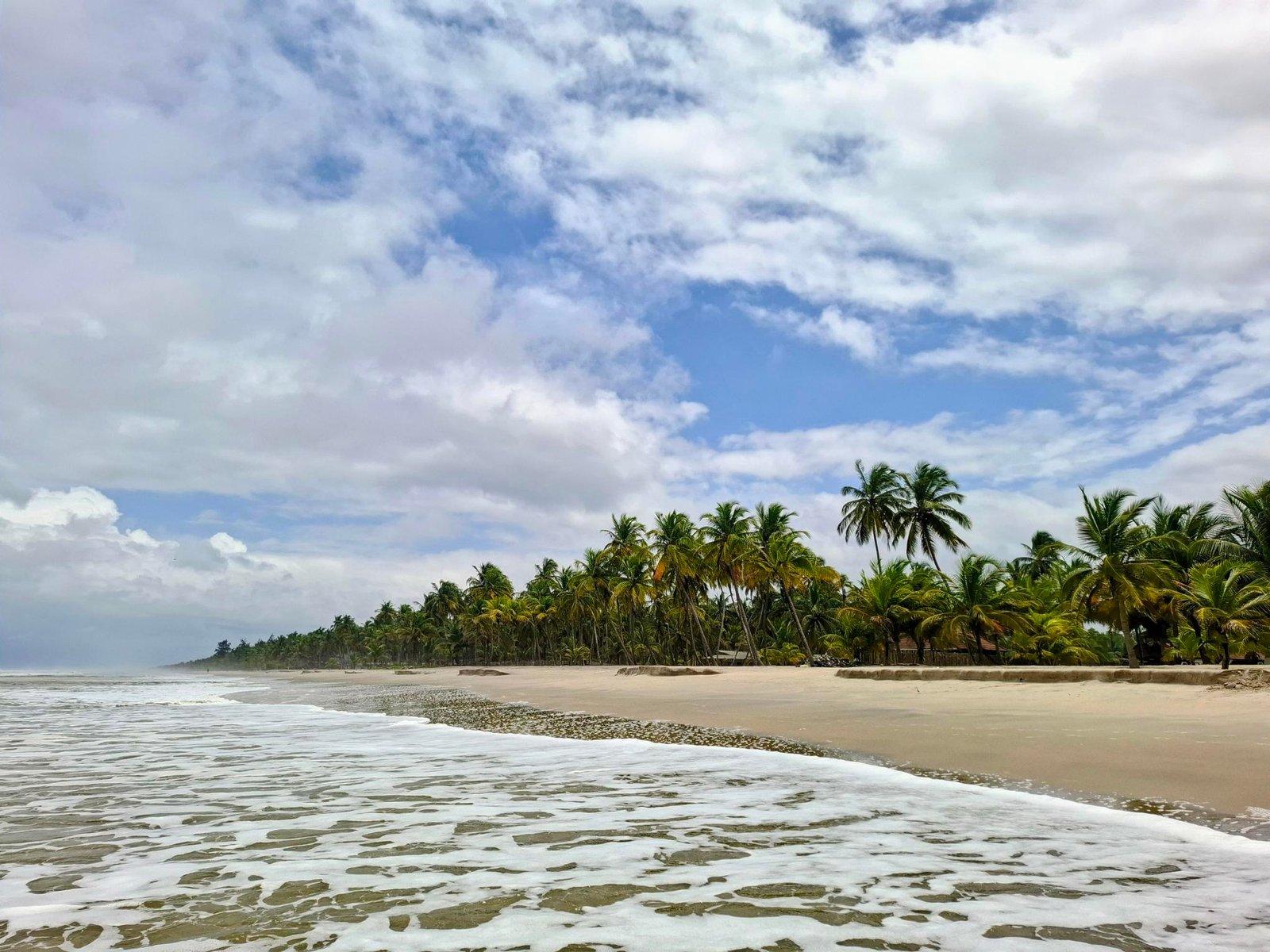
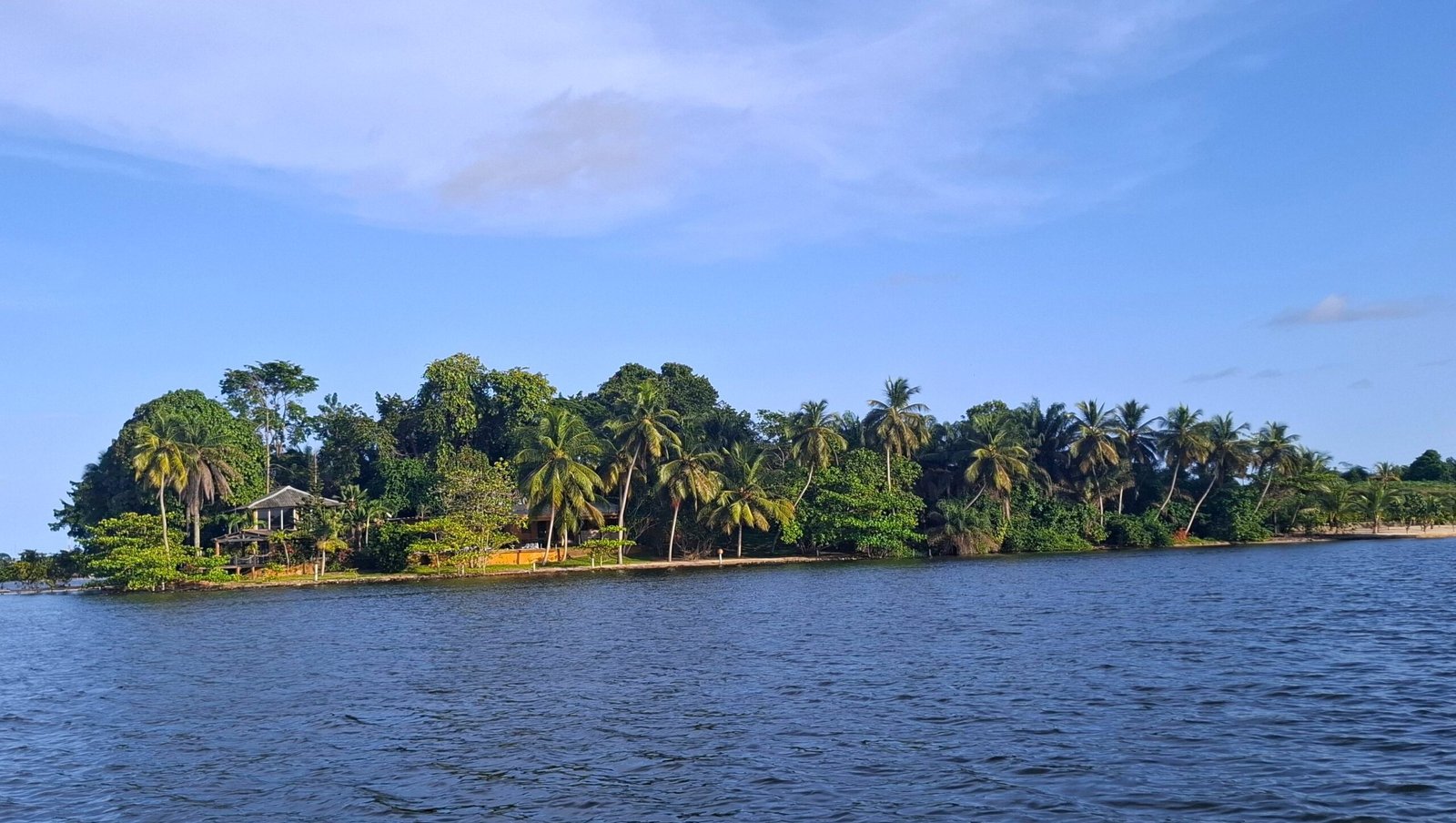
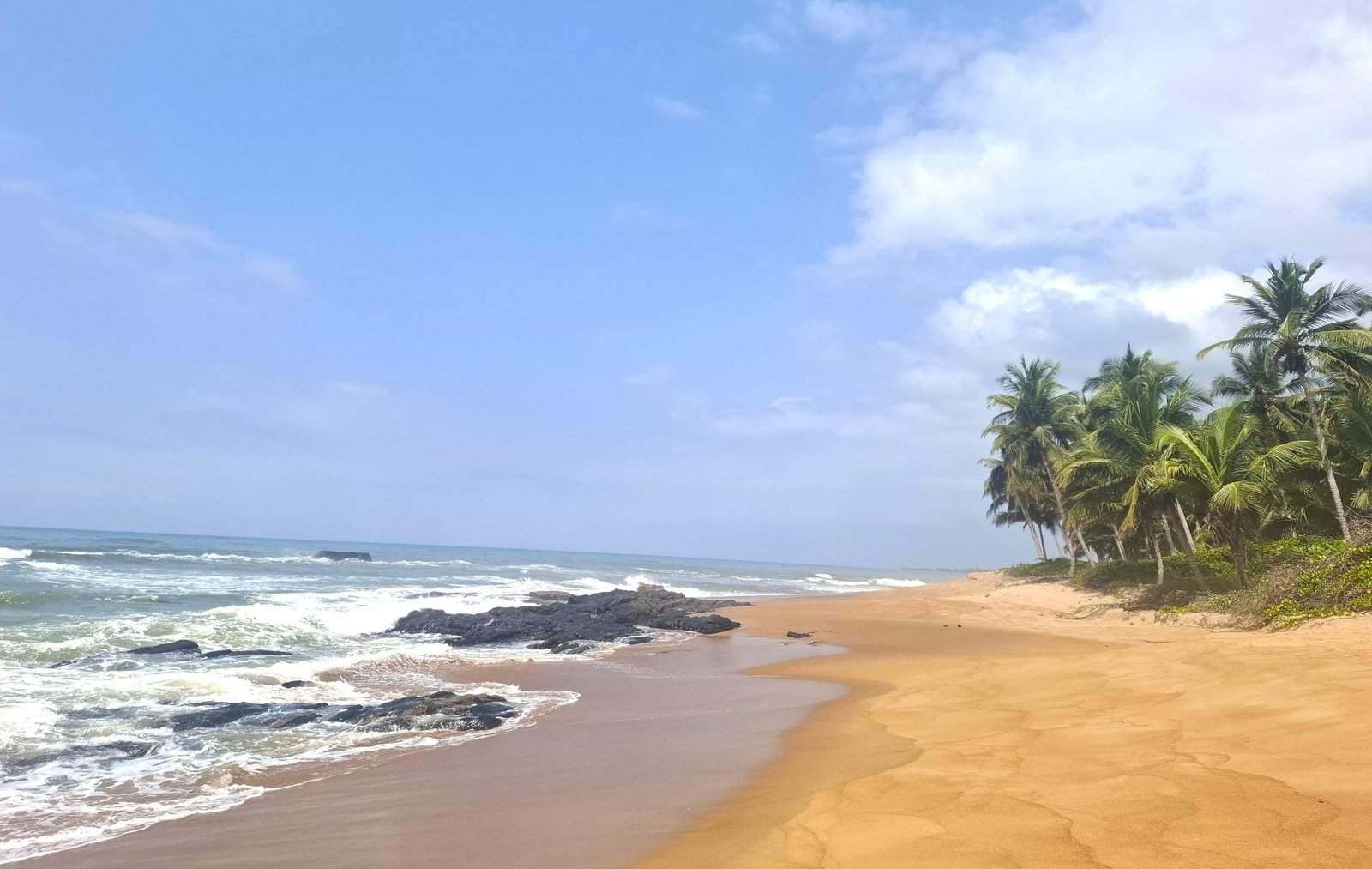
- 🏖️ Beaches and relaxation: Escape to the paradise beaches of Grand-Béréby or enjoy a peaceful weekend in Ile Boulay.
🎭 Culture and nature: Meet the artisans of Korhogo or discover the “city of three waters” in Grand-Lahou. - If you still have doubts, you can also book a personalized travel advice with me