Korhogo: Sacred Traditions and Craftsmanship in Northern Ivory Coast
If you’re looking for an authentic destination, a deep cultural immersion, or simply a chance to discover a side of Côte d’Ivoire far from the usual tourist routes, Korhogo is one of those places that stays with you long after you leave.
Located in the heart of the Poro region — homeland of the Senufo people — the city tells the story of a living heritage shaped by ancestral craftsmanship, animist spirituality, traditional villages, initiation dances, and vast golden savannahs.
In this updated 2026 travel guide, I’ll show you the best things to do, where to stay, how to get there, and all the practical tips you need to plan your trip — based on my personal experience after several journeys through the region and two years living in Côte d’Ivoire.
Why visit Korhogo?
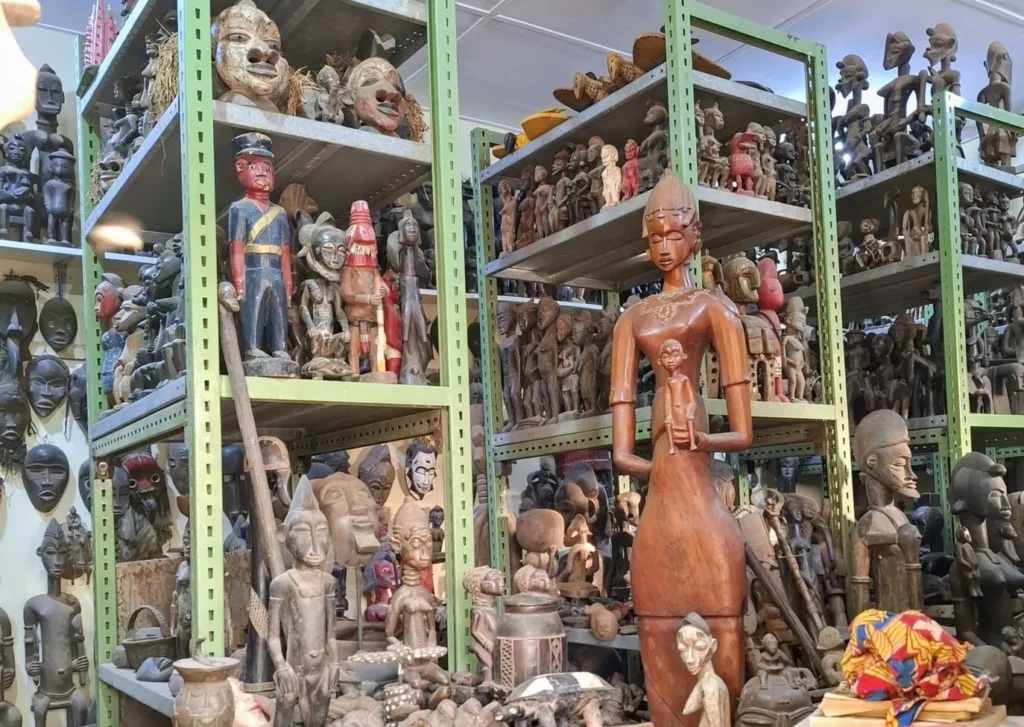
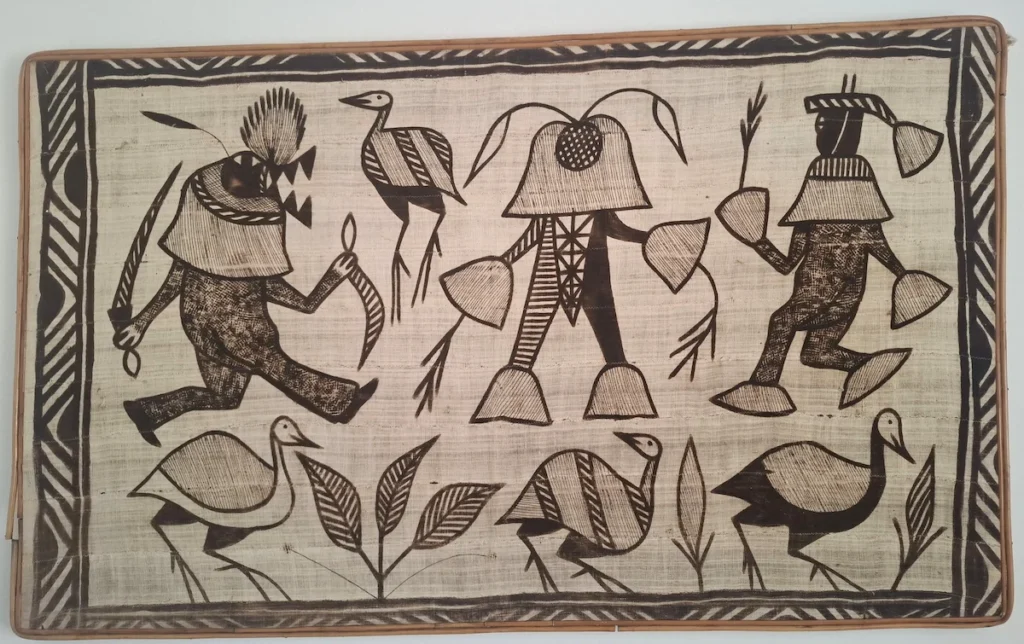
Because it’s one of the rare places where you can still witness, touch, and truly understand traditions passed down for centuries: the clay bead-making of Kapélé, the intricate weaving of Waraniéné, the carved masks of Koko district, the sacred Boloye panther dance, and the famous Fakaha cloth paintings.
Here, culture is not staged for tourists — it is alive. It breathes through the villages, sacred forests, markets, and everyday life.
Best Things to Do in Korhogo
Korhogo is famous for its artisan villages, landscapes, and deeply rooted traditions. Here are the experiences you shouldn’t miss.
🔶 Waraniéné Weaving Village
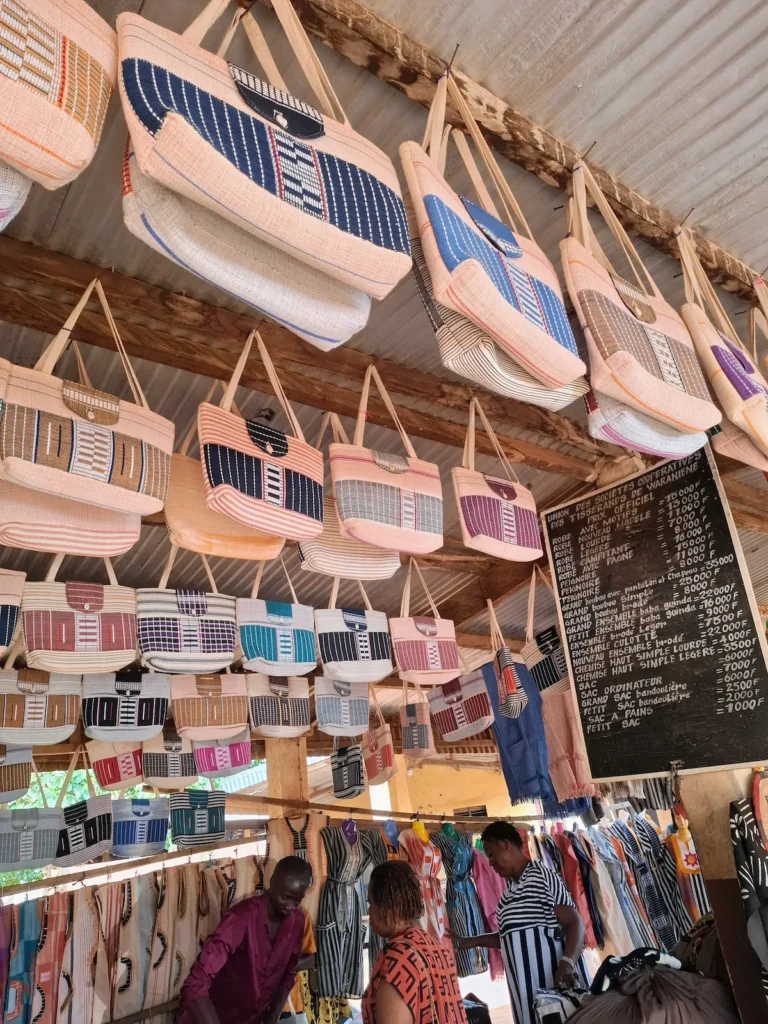
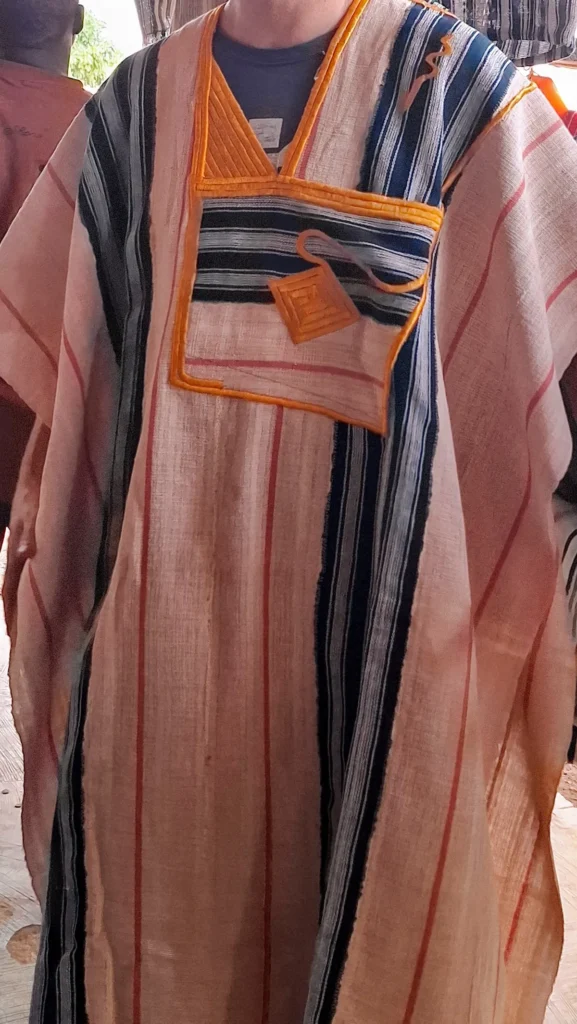
Just a few kilometers from Korhogo, Waraniéné is essential for understanding the soul of Senufo culture. The looms work nonstop from morning to evening: men carefully align hundreds of threads while women spin, prepare, and assemble the strips that become vibrant handmade fabrics.
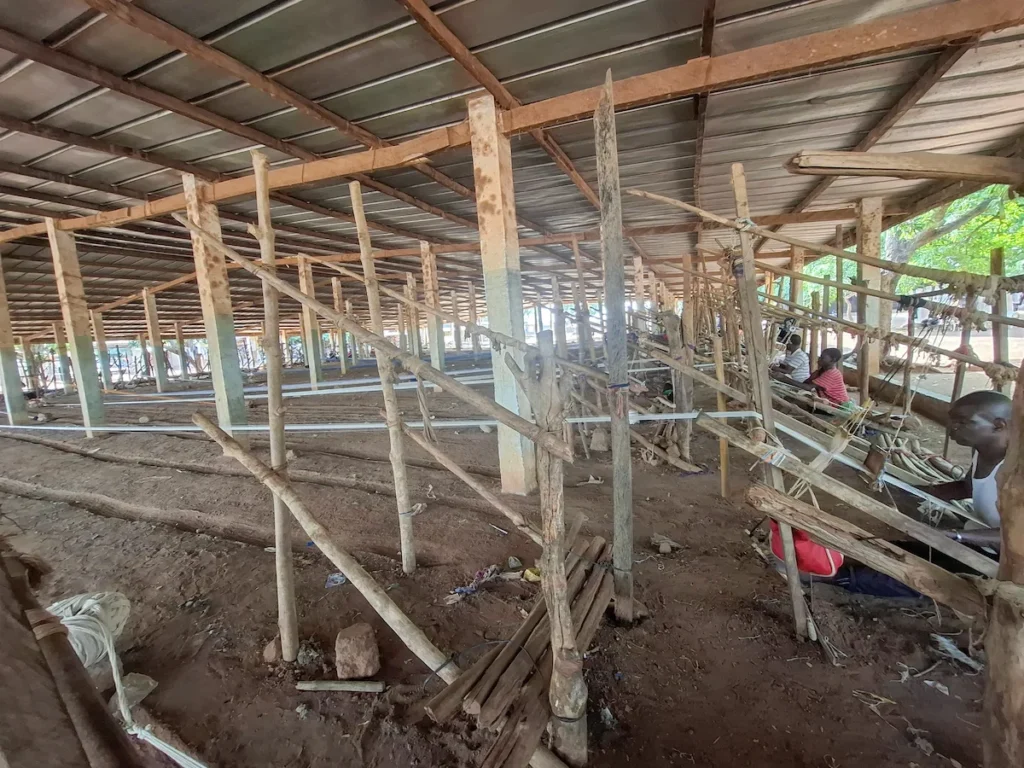
What strikes you most is the rhythm — the slow, meditative precision of ancestral gestures. Each strip of fabric measures only a few centimeters wide, yet together they create tablecloths, boubous, garments, and textiles deeply rooted in local identity.
Weaving was introduced centuries ago into the Kingdom of Kong by Dioula traders. Today, industrial thread is often used, but the traditional technique remains unchanged: narrow strips (10–14 cm wide) sewn together by hand. Around 200 threads are stretched across a stone-anchored loom, preserving a remarkable ancestral craft.
🔶 Kapélé : The Clay Bead Village
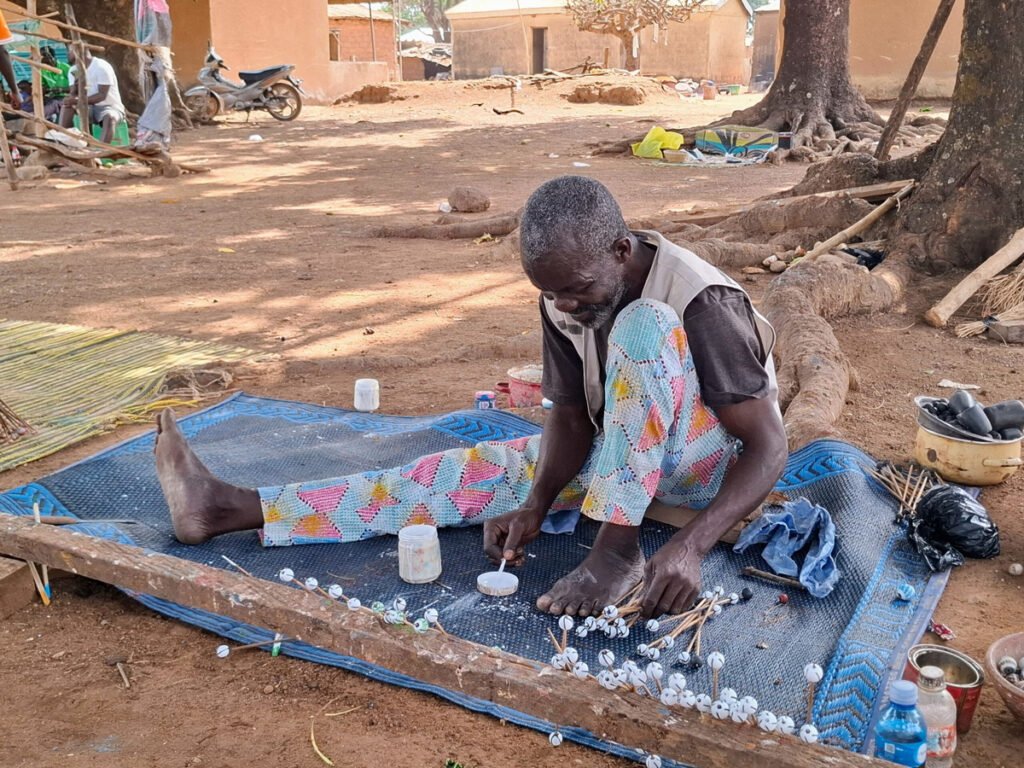
Kapélé is a village where art is transmitted almost like a sacred ritual. Here, only men craft the famous djénèkolo clay beads, symbolic of northern Côte d’Ivoire.
The process begins with river clay, sometimes mixed with shea butter for flexibility. The beads dry under the sun before being fired beneath branches in a traditional low-oxygen kiln. The most fascinating part is the decoration: artisans spin each bead using a rod held between their toes while painting intricate motifs with natural pigments — white kaolin, kinkaliba leaves, ochre earth, and red teak powder.
Watching this precise, silent process is mesmerizing, and buying a necklace or bracelet directly from the artisans helps preserve this rare know-how.
🔶 Niofoin Village: Architecture & Spiritual Heritage
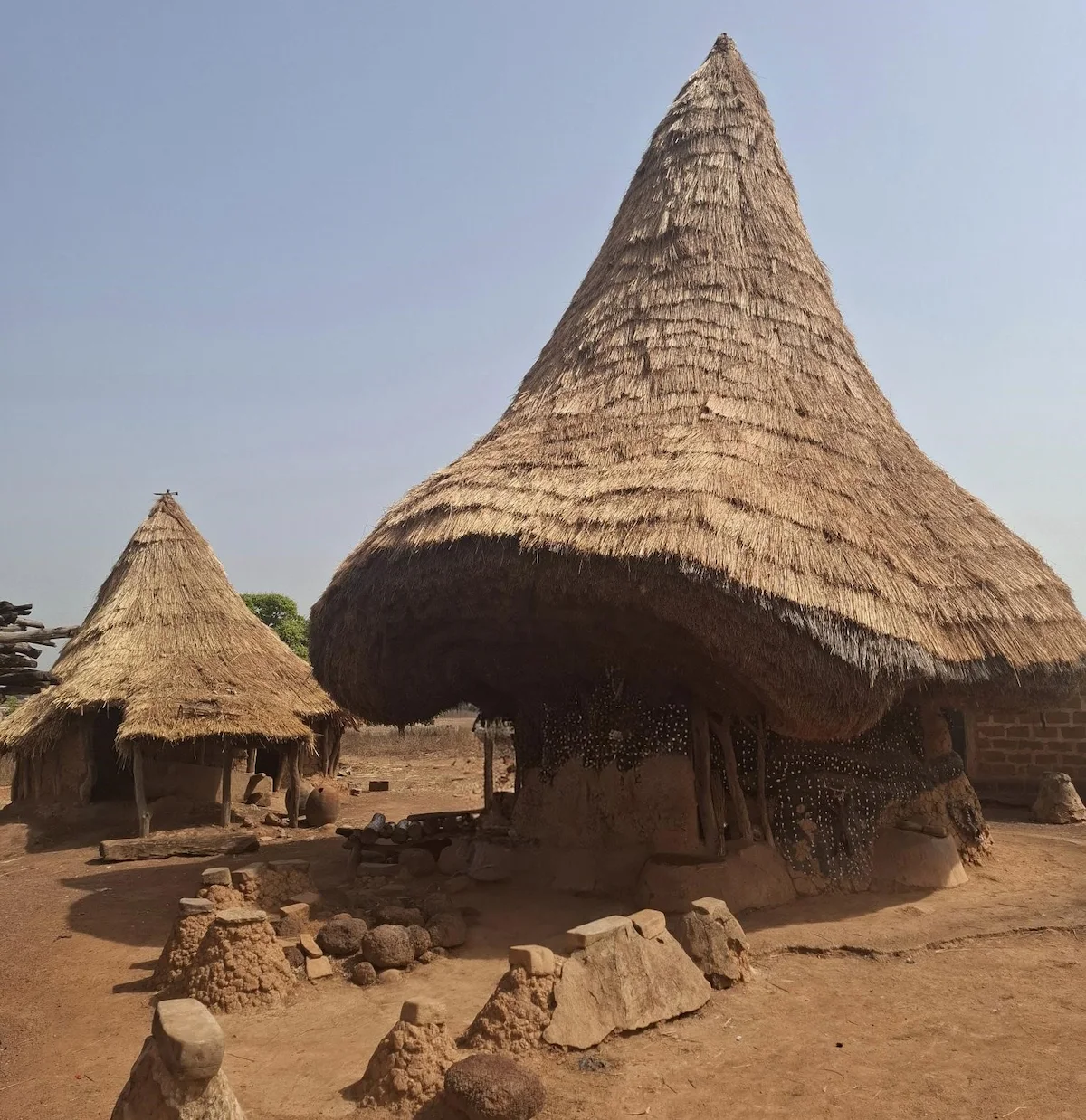
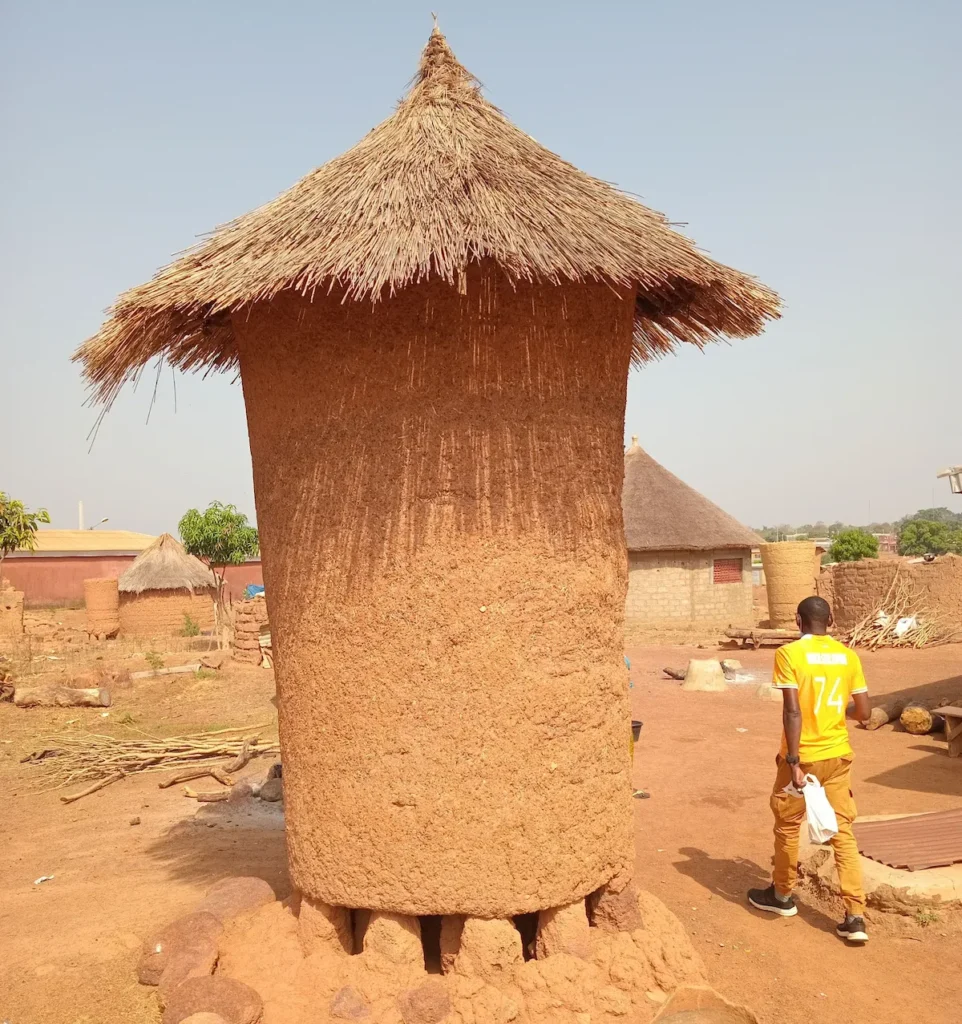
About 60 km from Korhogo, Niofoin is renowned for its stunning traditional huts and sacred fetish house, whose conical roof receives a new layer of thatch every year — a symbol of traditions constantly renewed rather than frozen in time.
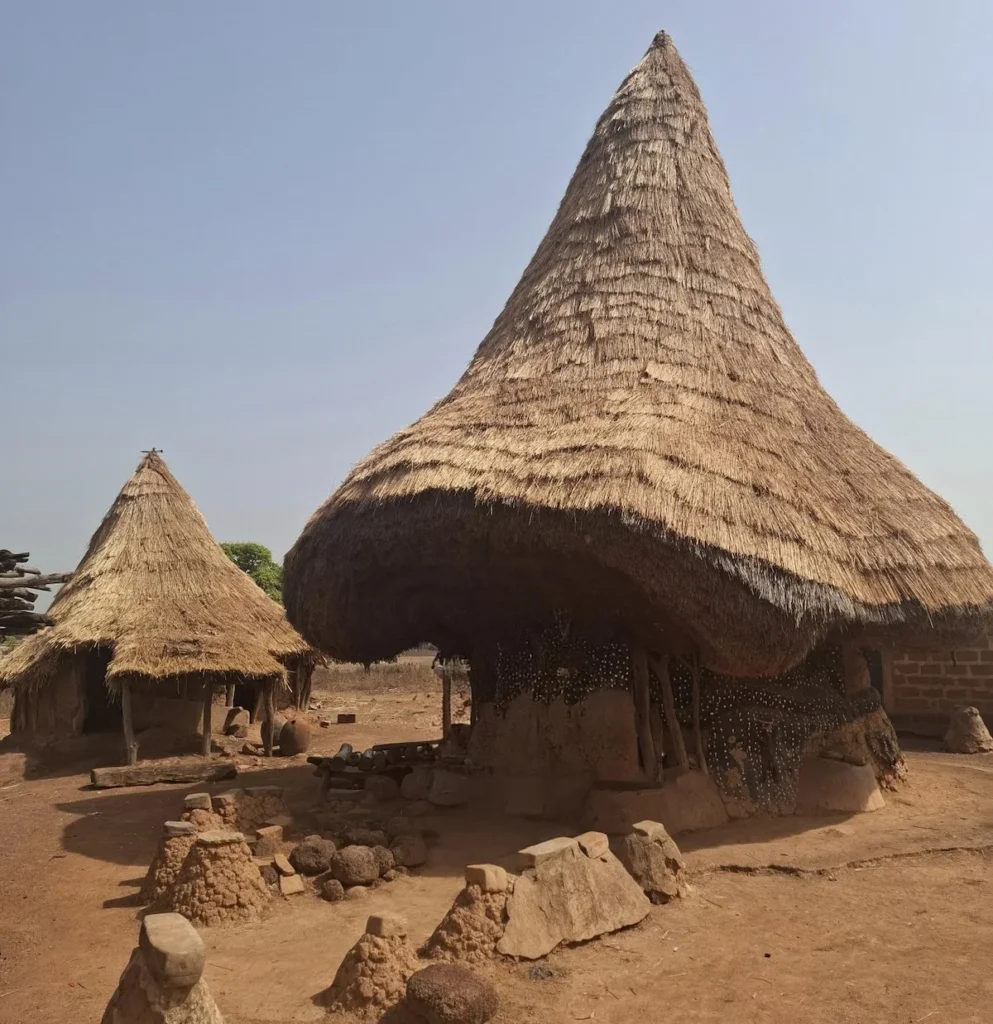
Elevated granaries reflect the wealth of local families, while village life revolves around the Poro initiation system, the spiritual and social foundation of Senufo culture. Some areas are restricted to initiates, while others can be visited with a guide. This is not an open-air museum — it is a living spiritual community.
🔶Mount Korhogo
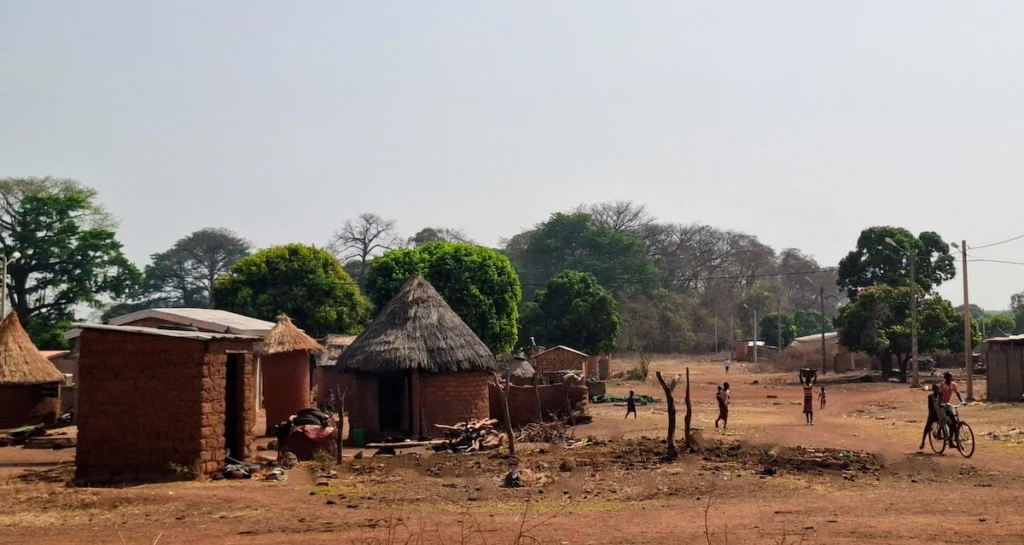
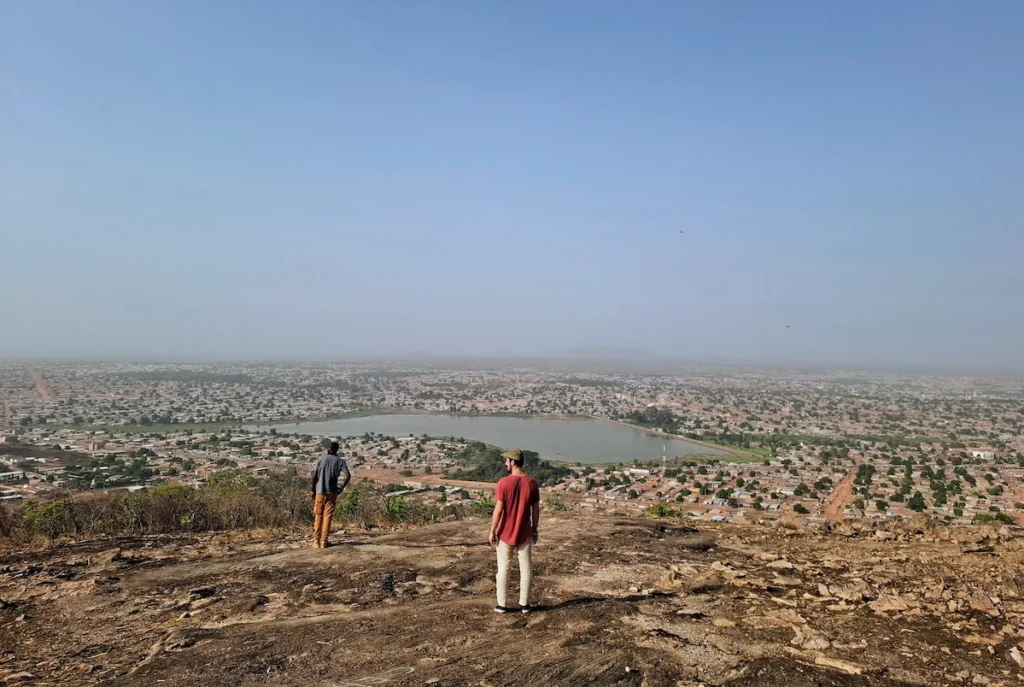
Mount Korhogo overlooks the city with smooth granite formations and panoramic views. The hike takes about 20 minutes and rewards visitors with breathtaking scenery over the savannah, mosques, and rooftops of northern Côte d’Ivoire. The best time to go is at sunset, when the rocks glow copper-orange and the cooler temperatures make the climb far more enjoyable.
🔶 Shea Butter Women’s Cooperative
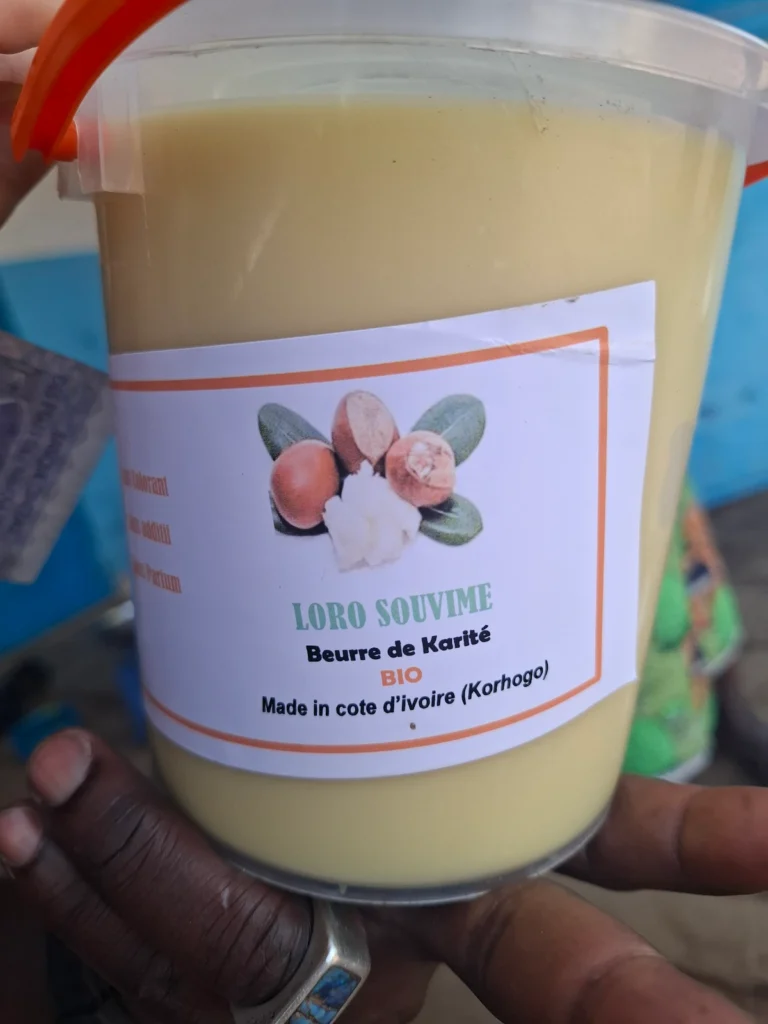
At this women-led cooperative, visitors can observe the traditional production of shea butter — from crushing the nuts to the final creamy product. You can also purchase high-quality, locally produced shea butter at excellent prices. Shea nuts are abundant across northern Côte d’Ivoire and remain one of the region’s most valued natural resources.
🔶 The Boloye Panther Dance
The Boloye dance is one of the most sacred traditions of the Senufo people. Dancers dressed in panther-inspired costumes perform impressive acrobatics to the rhythm of bolons — amplified calabash instruments. Traditionally, this dance marks the end of initiation rites and the transition of young men into adulthood.
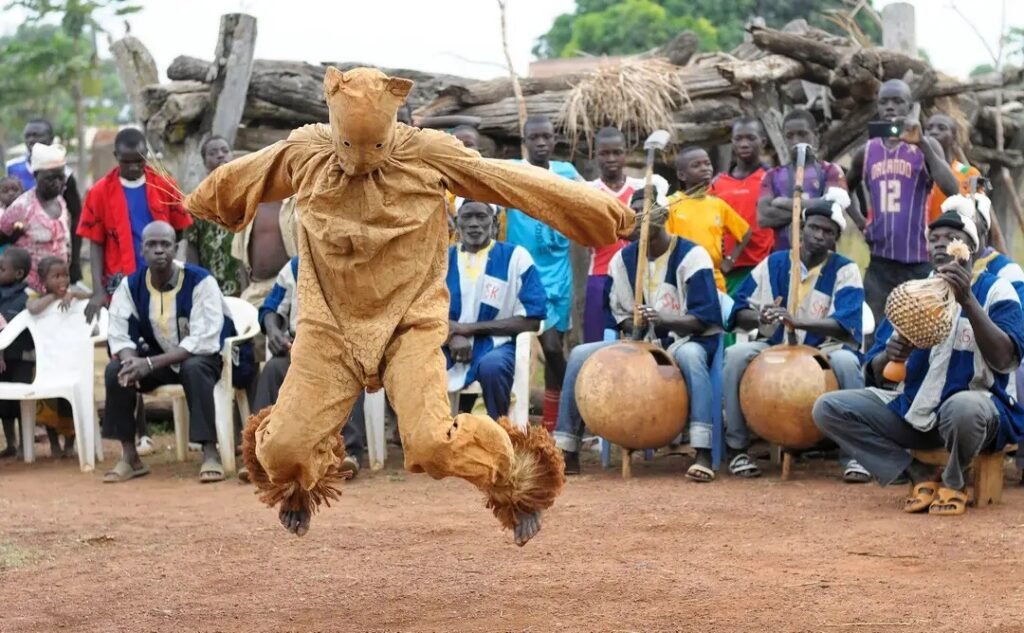
Performances are rare but can sometimes be arranged through a local guide. Respect is essential: photography may be forbidden, and visitors are often asked to keep their distance from the dancers.
🔶 Koko District: The Sculptors’ Quarter
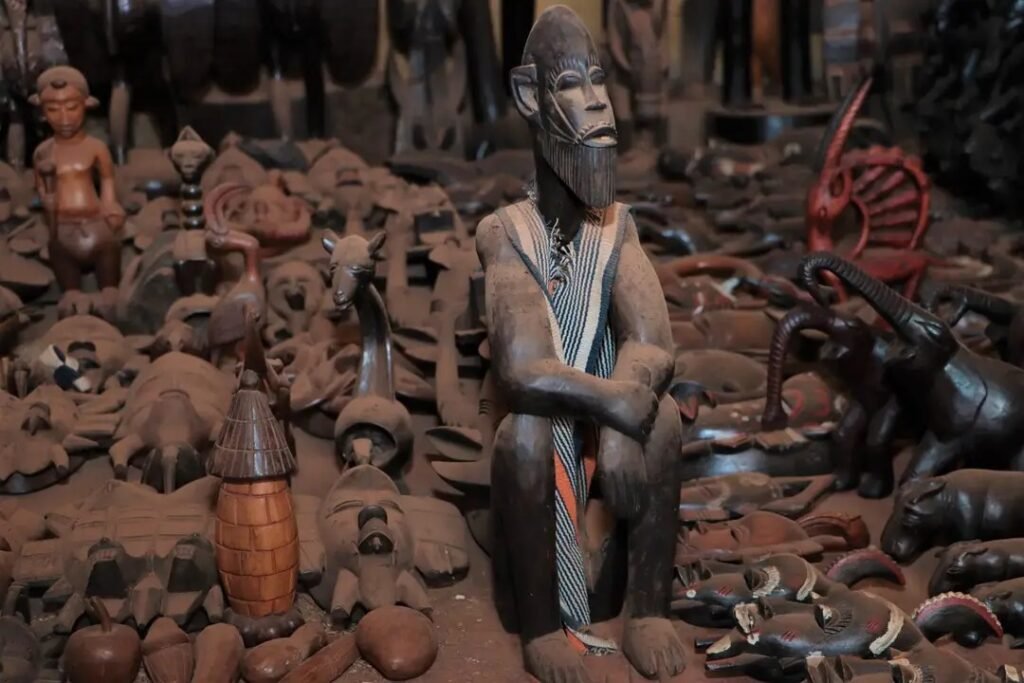
In Koko district, sculptors carve wood in open-air workshops: masks, hornbills, stools, statues, and ceremonial objects. Each piece carries symbolic meaning linked to Senufo spirituality and rituals. Nothing here feels manufactured for tourism — you are stepping directly into the workspace of passionate artisans.
🔶 Visit Kong from Korhogo
Located about two hours away, Kong offers a fascinating journey into Sudano-Sahelian heritage. The road crosses luminous savannah landscapes before reaching this historic Manding trading city.
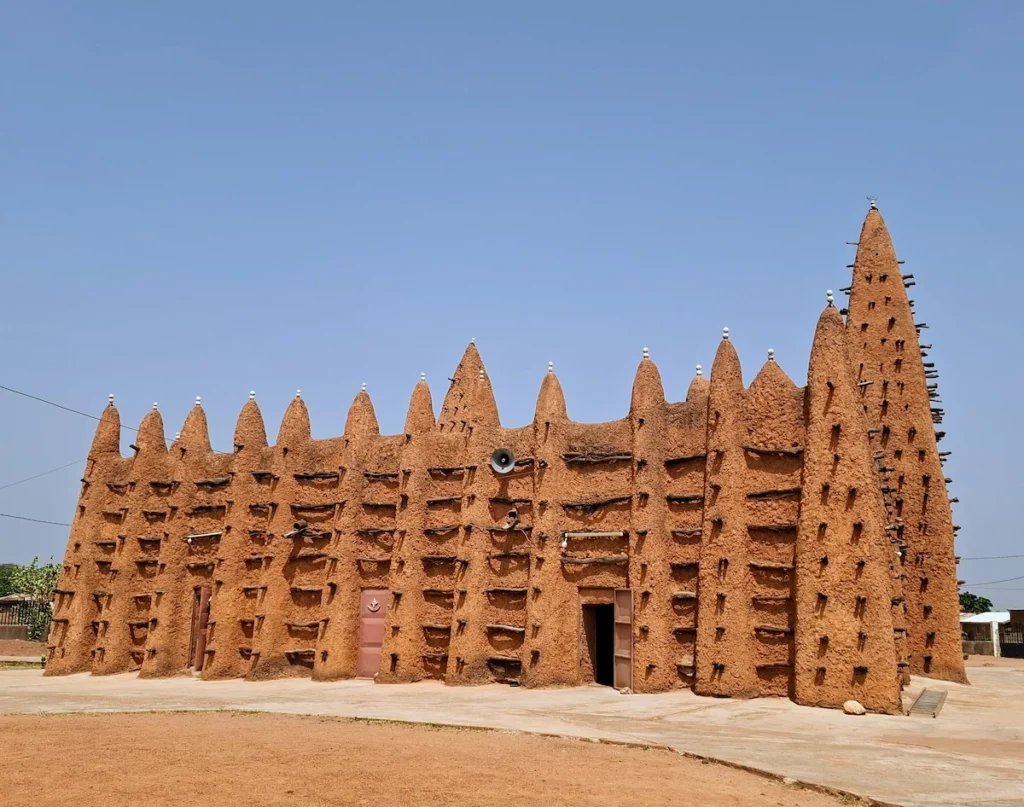
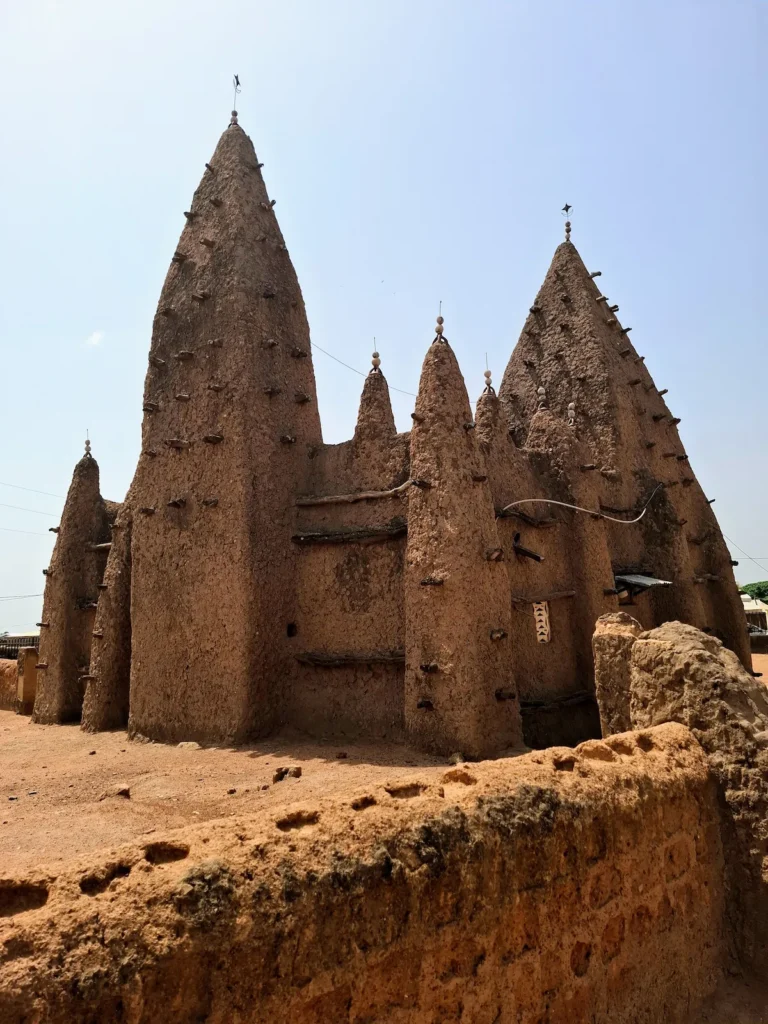
The Great Mosque of Kong is the highlight: a masterpiece of earthen architecture with massive walls, wooden beams, and centuries of history embedded in its structure. The smaller mosque, usually viewed from outside, beautifully complements the ensemble.
🔶 The Sacred Rock
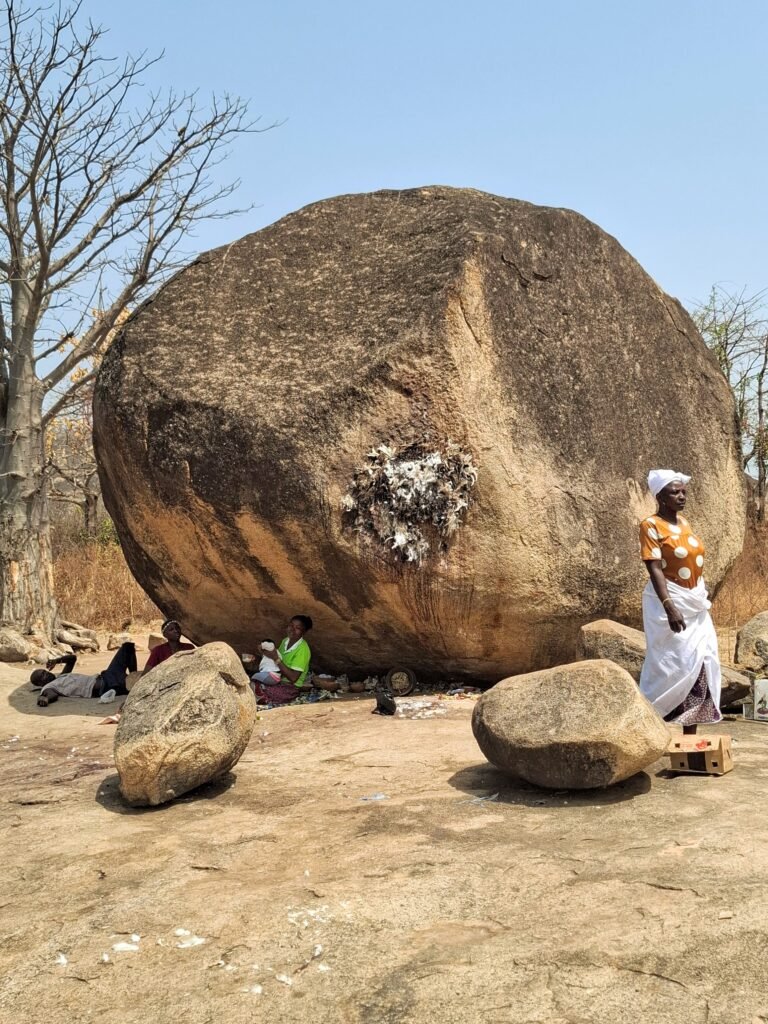
Just outside the city center lies the Sacred Rock, believed to house a protective spirit to whom locals come to make wishes and offerings. Ritual sacrifices may take place here under the supervision of the guardian. It is an extremely sacred site, and visitors must strictly follow local instructions and show respect.
Where to Stay in Korhogo
Korhogo offers several comfortable and affordable hotels ideal for relaxing after a day of cultural exploration.
🔶 Hotel Mont Korhogo
Also known as Hotel Iris Mont Korhogo, this 4-star hotel is one of the city’s best accommodation options. Guests enjoy: modern rooms, large outdoor swimming pool, billiard room, gardens and terrace, on-site restaurant and poolside pizzeria.
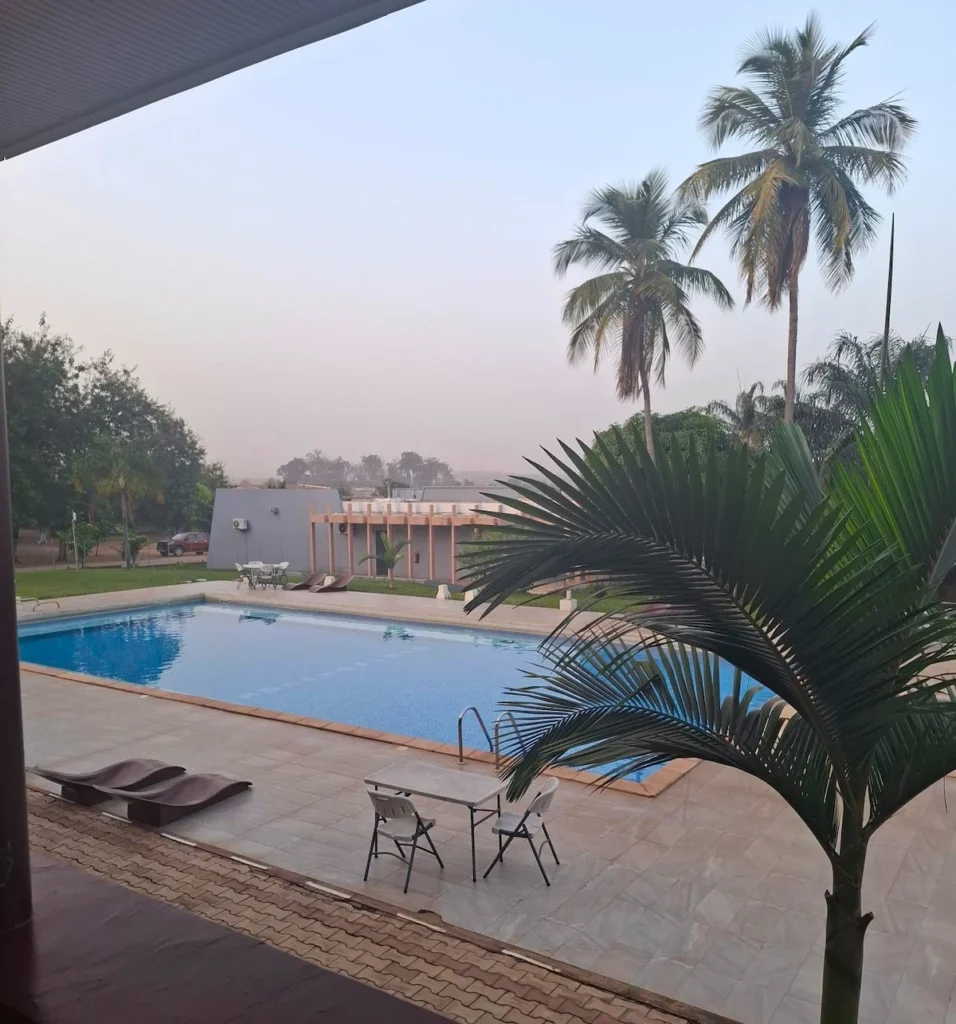
The restaurant serves both African and European cuisine, including pizzas and shawarmas.
- Average price: around 40,000 FCFA (€61) per night
🔶 Hotel La Rose Blanche
A Korhogo classic, La Rose Blanche is one of the most popular 3-star hotels in the region. The hotel features: a swimming pool, outdoor terrace, quiet atmosphere and small artisan souvenir shop.
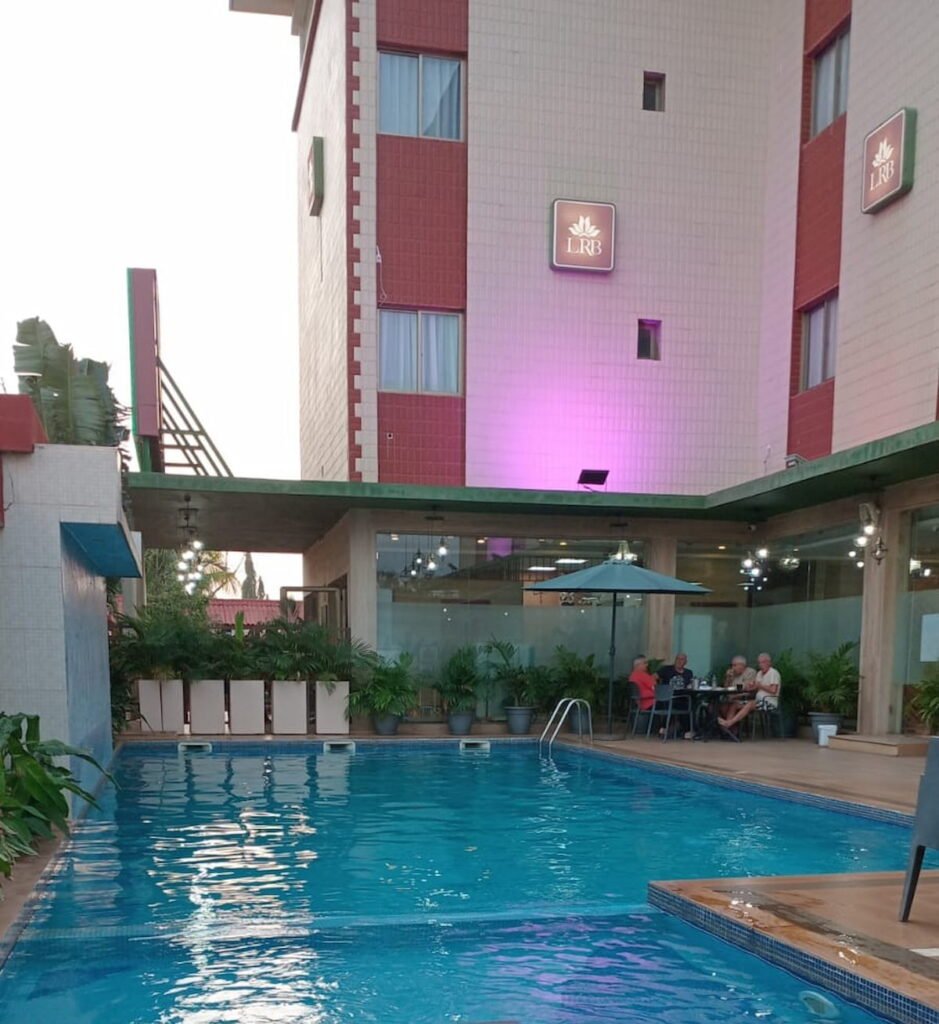
Visitors can purchase traditional clothing, shea oil, and locally crafted products directly at the hotel.
- Average price: around 30,000 FCFA (€41) per night
Where to Eat in Korhogo
Korhogo’s cuisine is simple, generous, and deeply rooted in northern Ivorian traditions.
🔶Restaurant Le Savanna
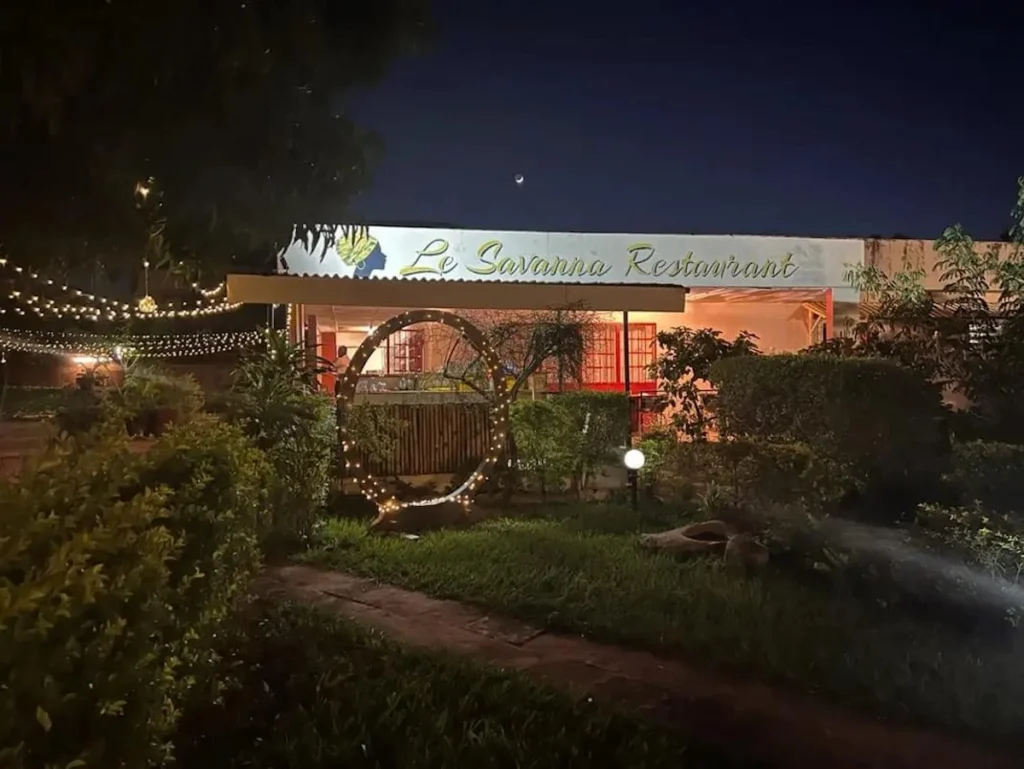
One of the best places in town to try local dishes in a relaxed atmosphere. Expect generous portions, affordable prices, warm hospitality and excellent foutou, grilled fish, and spicy seed sauce.
🔶 Restaurant at Hotel Mont Korhogo
A reliable option offering African and European dishes in a comfortable setting with a peaceful garden atmosphere. Perfect after a long day of sightseeing.
🔶 Restaurant at Hotel La Rose Blanche
Known for its good breakfast and relaxed atmosphere near the pool, this restaurant is a solid option if you want a calm and clean dining experience.
Climate and best period to visit Korhogo
Korhogo has a dry savannah climate with temperatures ranging from 27°C to 35°C (80°F–95°F).
- Dry season (November → February): best time to visit
- Rainy season (June → September): hotter temperatures and more difficult rural roads
What to Buy in Korhogo
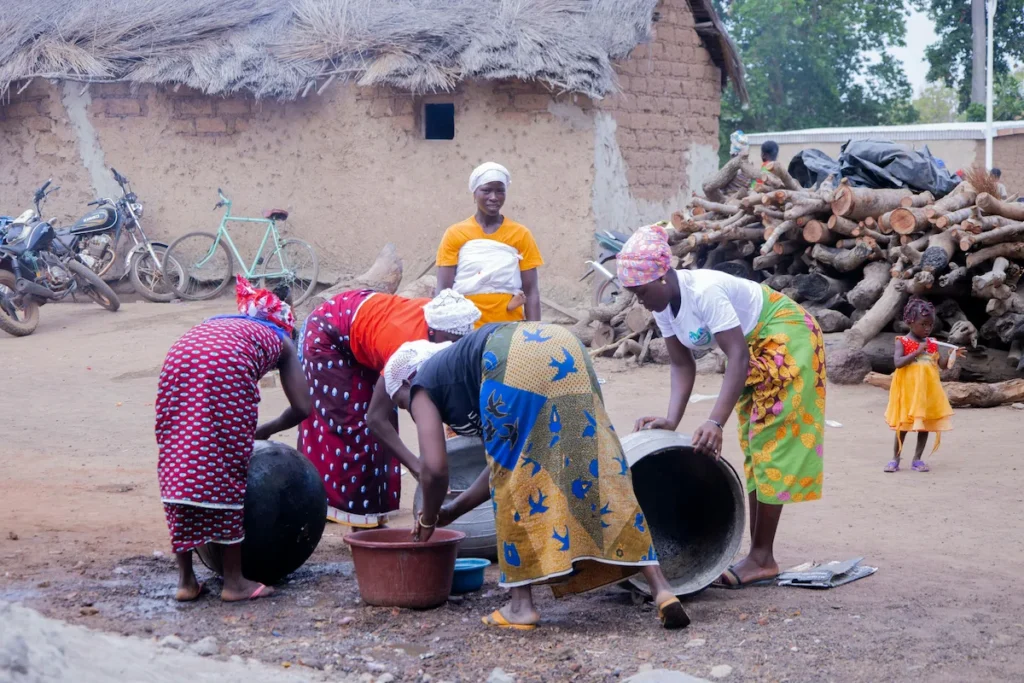
Northern Côte d’Ivoire is one of the country’s richest regions for traditional craftsmanship.
🔶 Waraniéné Handwoven Fabrics
These iconic textiles are made from narrow woven strips sewn together by hand and transformed into clothing, bags, tablecloths, and decorative pieces.
🔶 Kapélé Clay Beads
Handmade and painted with natural pigments, these beads are among the most meaningful cultural souvenirs from the region.
🔶 Wooden Sculptures from Koko district
Masks, statues, hornbills, and stools carved according to ancestral Senufo traditions.
🔶 Local Shea Butter
Pure, unrefined, and produced by women’s cooperatives at affordable prices. Perfect for skincare, haircare, or gifts.
Estimated Budget for a 2-Day Trip to Korhogo
| Item | Price |
|---|---|
| Round-trip flight Abidjan – Korhogo | 120 000 – 160 000 FCFA (≈ 180 – 240 €) |
| Car fuel | 30 000 – 40 000 FCFA (≈ 45 – 60 €) |
| Round-trip bus ticket | 20 000 FCFA (≈ 30 €) |
| Hotel per night | 30 000 – 60 000 FCFA (≈ 45 – 90 €) |
| Meals (2 days) | 15 000 – 20 000 FCFA (≈ 22 – 30 €) |
| Guide & visits | 10 000 FCFA (≈ 15 €) |
Suggested Korhogo Itinerary
- Day 1
Waraniéné ➝ Kapélé ➝ Local lunch ➝ Sacred Rock ➝ Sunset at Mount Korhogo - Day 2
Niofoin ➝ Shea Butter Cooperative ➝ Sculptors’ Quarter ➝ Optional Boloye dance experience - Day 3
Day trip to Kong ➝ Relaxation and return
Practical tips for visiting Korhogo
- Dress respectfully, especially in Senufo villages
- Always ask before taking photographs
- Use a local driver or suitable vehicle for rural tracks
- Hiring local guides directly supports village communities
- Carry cash (FCFA), as card payments are uncommon
- Stay hydrated and use mosquito repellent
- Korhogo is generally calm and safe, but normal precautions apply at night
If you’re still planning your trip, you may also want to read our guides about safety in Côte d’Ivoire, recommended vaccines, Taï National Park, or the beach town of Assinie-Mafia.
How Far is Korhogo from Abidjan
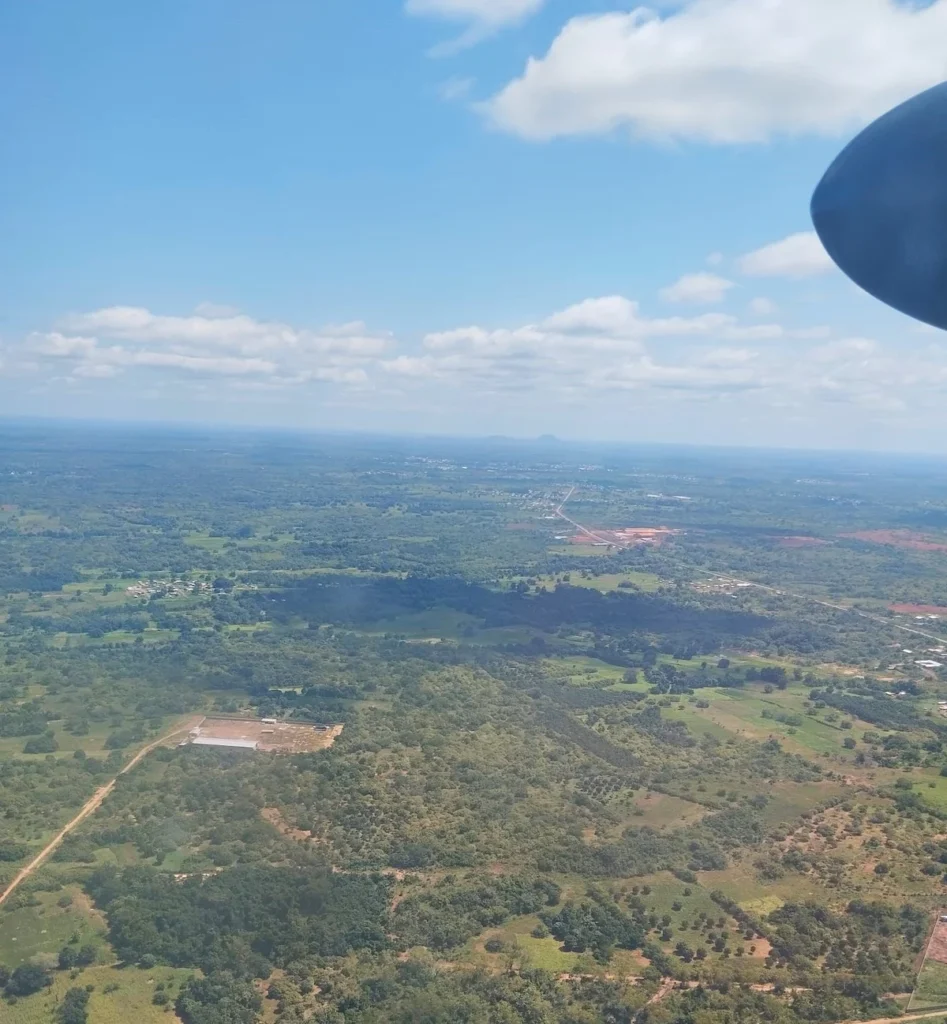
Korhogo is located approximately 635 km (395 miles) north of Abidjan.
- By plane: around 1h20
- By car: 8–9 hours
- By bus: 9–11 hours
How to Get to Korhogo
Korhogo is about 635 km from Abidjan and can be reached by plane (1h20), car (8–9h), or bus (9–11h). Despite its remote location in northern Ivory Coast, Korhogo is surprisingly accessible and connected by good roads and regular domestic flights.
- By Plane: the fastest and most comfortable option. Regular flights connect Abidjan Félix Houphouët-Boigny Airport to Korhogo Airport. Flight time: approximately 1h20
- By Car: the main highway through Yamoussoukro, Bouaké, and Ferkessédougou is generally in excellent condition, and you can stop in these cities to explore them! Average driving time: 8–9 hours.
- By Bus: several bus companies connect Abidjan to Korhogo daily. Duration: 8–10 hours. Price: approximately 8,000–12,000 FCFA
FAQs About Visiting Korhogo
🔶 What is Korhogo famous for?
Korhogo is famous for Senufo craftsmanship, especially weaving, sculpture, and clay beads. It is also known for its traditional villages, Mount Korhogo, and the spiritual Poro initiation traditions.
🔶 Is Korhogo safe for travelers?
Yes, Korhogo is generally considered safe for visitors. The atmosphere is relaxed, and traveling around the city is easy. As with any trip in West Africa, travelers should still follow standard precautions and check official travel advisories before departure.
And you? Have you visited Korhogo or Kong? Share your experience in the comments!