
Where to Live in Abidjan: Everything You Need to Know Before Moving
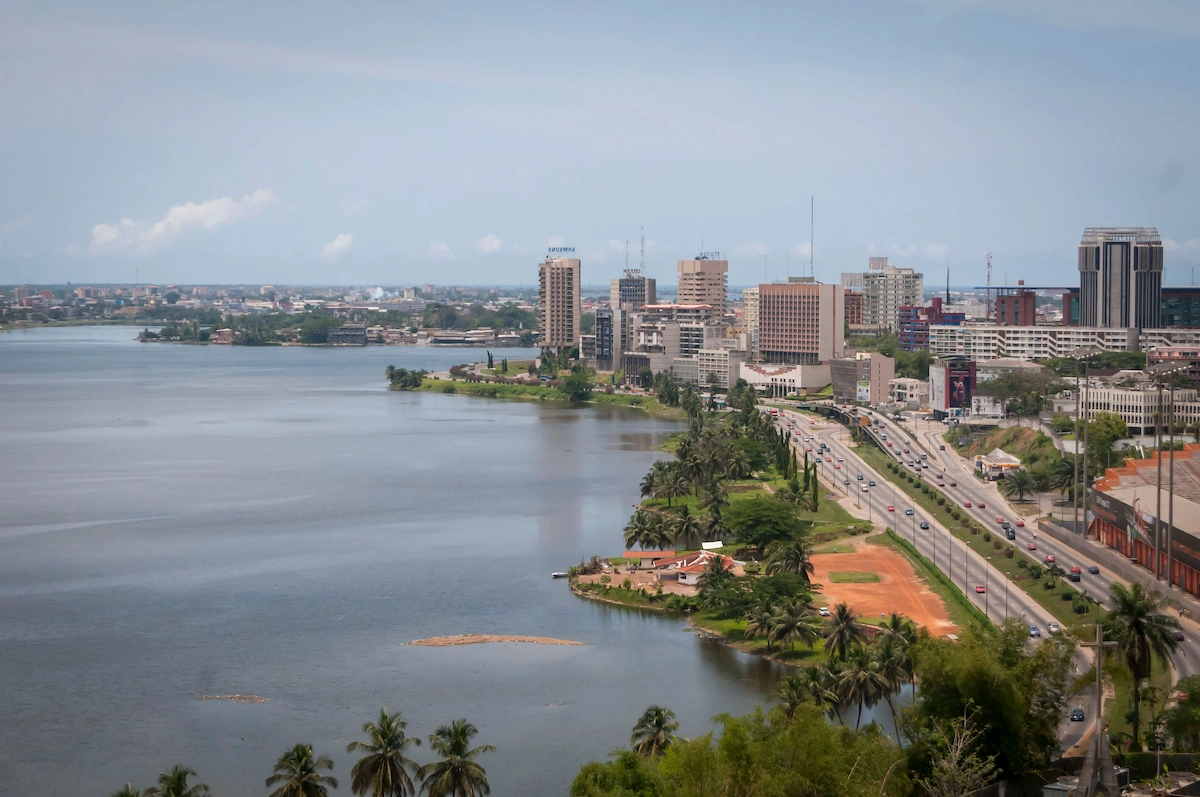
Abidjan is undergoing a rapid transformation driven by strong economic growth and increasing foreign investment. While this dynamism has modernised the city, it has also led to a steady rise in the cost of living — especially housing. For newcomers, finding the right place to live in Abidjan can quickly become a real challenge.
In Abidjan, location changes everything. The city is vast, traffic congestion is part of daily life, and choosing the wrong neighbourhood can turn a comfortable home into a never‑ending commute. Living close to your workplace — or at least choosing an area where you commute against the main traffic flow — can make a huge difference to your quality of life.
I live in Abidjan and have personally searched for several apartments and houses across different neighbourhoods. This guide is based on first‑hand experience: the areas that truly make daily life easier, realistic rent ranges for 2026, and the key points you should check carefully before signing a lease.
👉 Keep reading to find out everything you need to know!
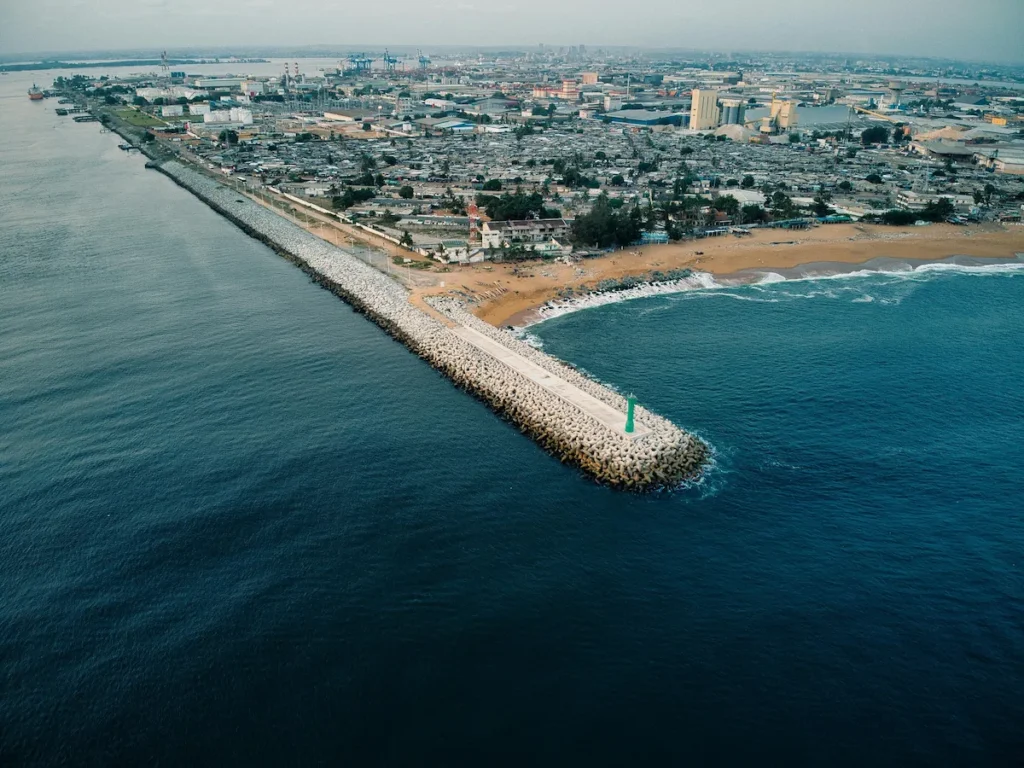
Best Neighbourhoods to Live in Abidjan
As Côte d’Ivoire’s economic capital, Abidjan is large and highly diverse. Each neighbourhood has its own advantages depending on whether you are an expatriate, a VIE participant, a local professional, a student, or an investor.
Choosing Where to Live in Abidjan: The #1 Rule
Before considering the size or luxury of a property, focus on your daily commute. Before signing a lease, I always recommend:
- testing the home → work commute between 7:30 and 9 a.m.
- testing the return journey between 5:30 and 7:00 p.m.
- checking traffic direction (some neighbourhoods are extremely challenging when travelling against peak flows)
A neighbourhood that looks “ideal” on the map can quickly become unlivable if it requires crossing major traffic axes at rush hour. Morning traffic is particularly heavy from Angré and Attoban towards Cocody, Plateau, and Zone 4. In the evening, congestion builds in the opposite direction as many workers return from Plateau and the Rivieras to Angré and Attoban.
Plateau: Abidjan’s Business District
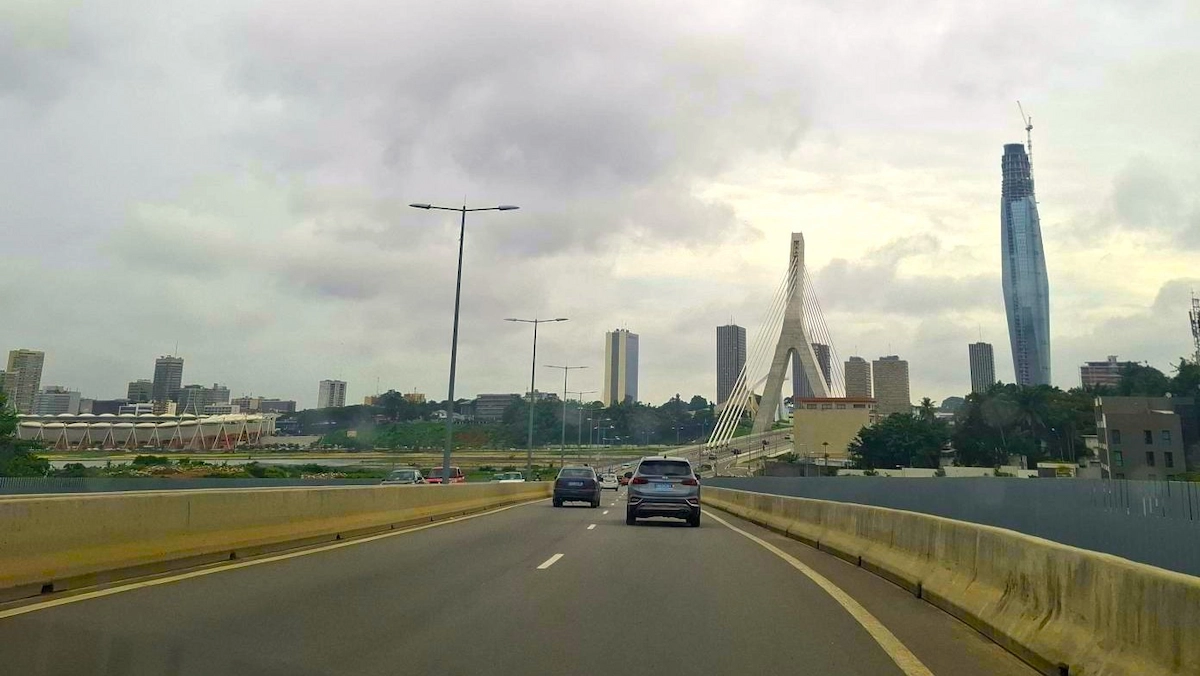
Plateau is Abidjan’s main business hub. It hosts major institutions such as the African Development Bank, United Nations agencies, several ministries, and iconic landmarks like Félix Houphouët‑Boigny Stadium and the Museum of Civilizations of Côte d’Ivoire.
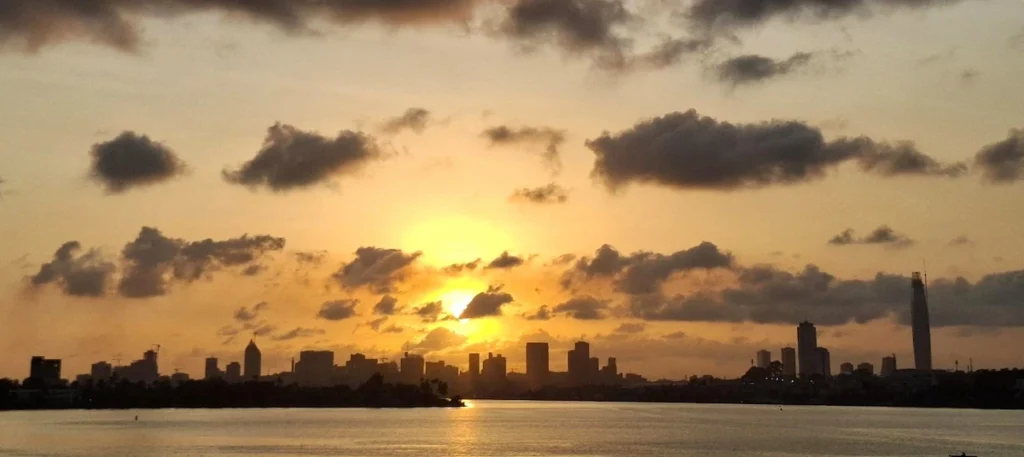
During the day, Plateau is lively and fast‑paced. After work hours, however, most professionals head back to Cocody or the Rivieras, leaving the area much quieter.
- Pros: close to offices and institutions, professional environment, modern architecture
- Cons: very limited residential life at night, heavy traffic from 5:30 p.m., especially on Boulevard de France and extra caution advised at night for newcomers
- Budget: around 1,000,000 FCFA (~€1,500) for an apartment.
Cocody: Abidjan’s Main Residential District
Cocody is one of Abidjan’s largest and most influential districts. Located to the east of Plateau, it is widely considered the city’s primary residential area, especially for expatriates, diplomats, professionals working in central Abidjan, and middle‑ to upper‑income households.
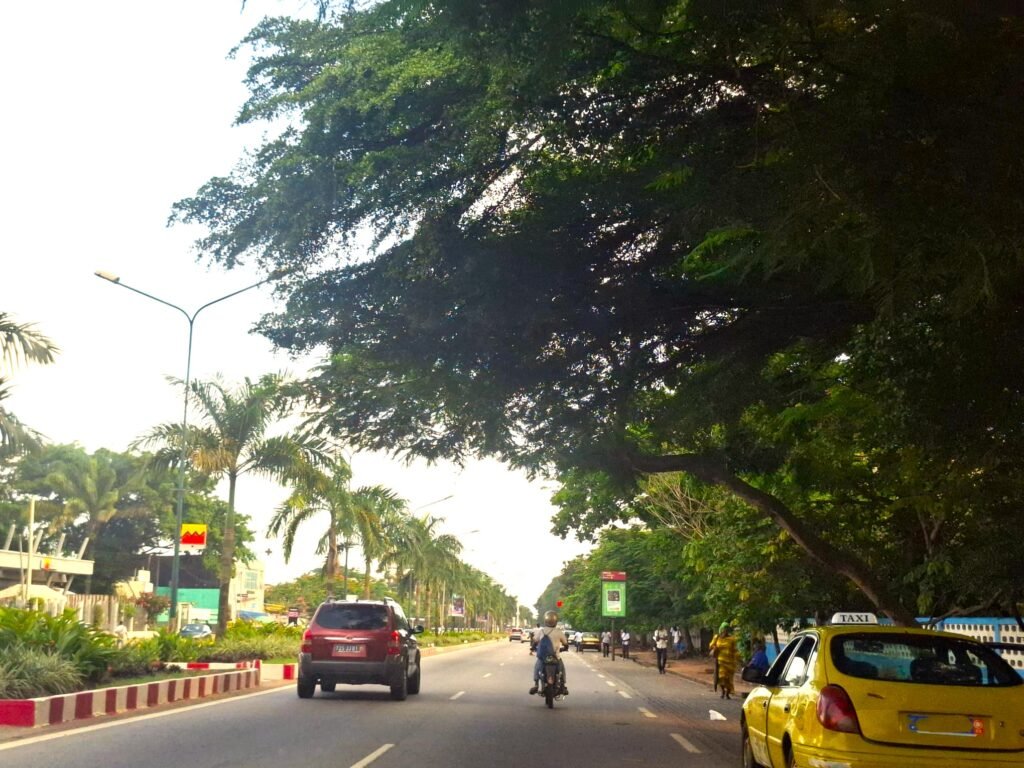
The district of Cocody encompasses several well‑known neighbourhoods, each with its own character and housing market. While prices, infrastructure, and atmosphere vary significantly from one area to another, Cocody as a whole is generally associated with better road networks, access to services, international schools, universities, shopping centres, restaurants, and medical facilities.
Beyond its residential importance, Cocody also holds a strong place in Ivorian popular culture. The district gained international recognition through Alpha Blondy’s iconic reggae anthem “Cocody Rock”, released in the 1980s. The song celebrates Cocody as a symbol of urban life, cultural energy, and modern Abidjan, helping turn the district’s name into a lasting cultural reference far beyond Côte d’Ivoire.
🔶 Riviera Golf: A Highly Residential Area
Riviera Golf is one of Abidjan’s most desirable residential neighbourhoods. It features villas, secure residential compounds, high‑rise buildings (including Les Grands Tours), and excellent local amenities such as a 24/7 Casino supermarket, local shops, and essential services. It is especially popular with families and those seeking calm and comfort.
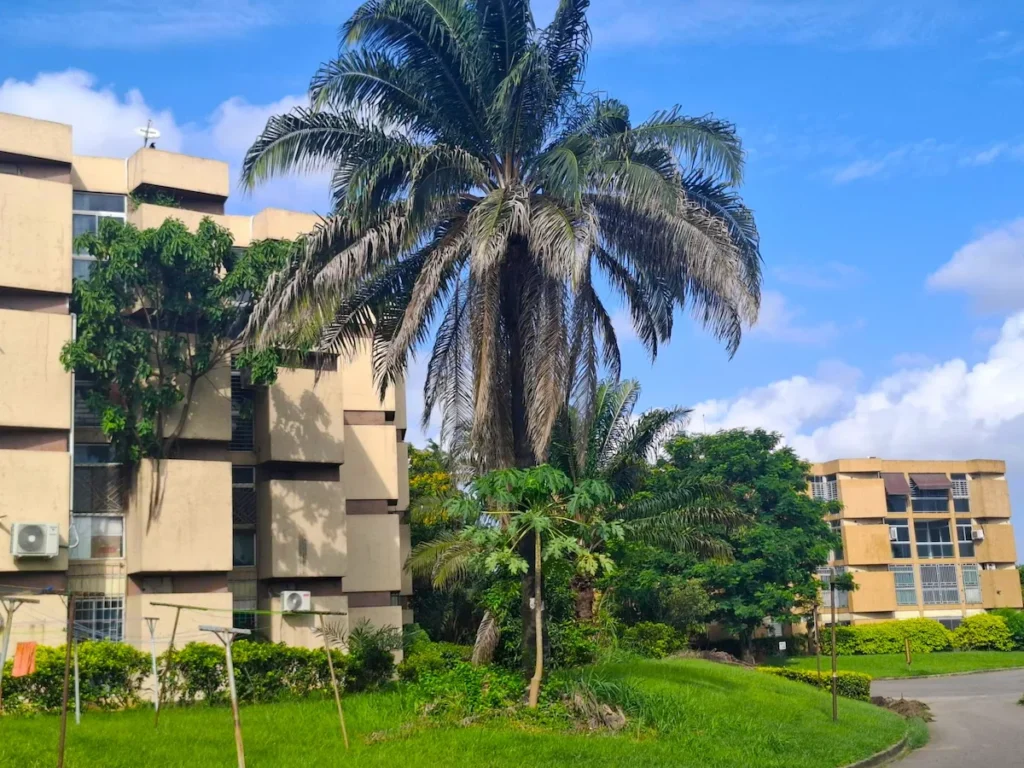
- Pros: quiet, safe, and residential, good proximity to central Abidjan
- Cons: some buildings can feel slightly dated
- Budget: apartments: 600,000–1,000,000 FCFA (€915–1,500) and villas from 1,000,000 FCFA, depending on standard
🔶 Riviera 3: Modern Living with High Standards
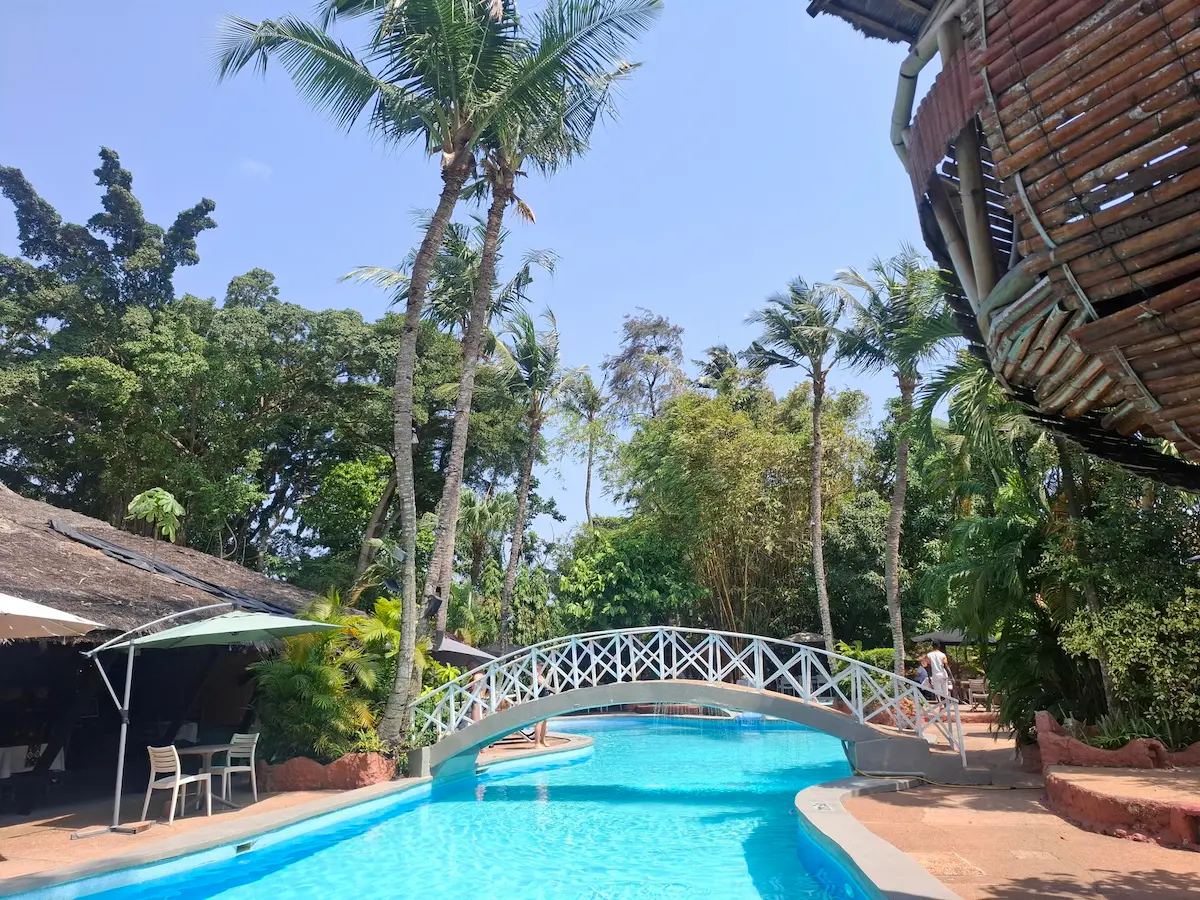
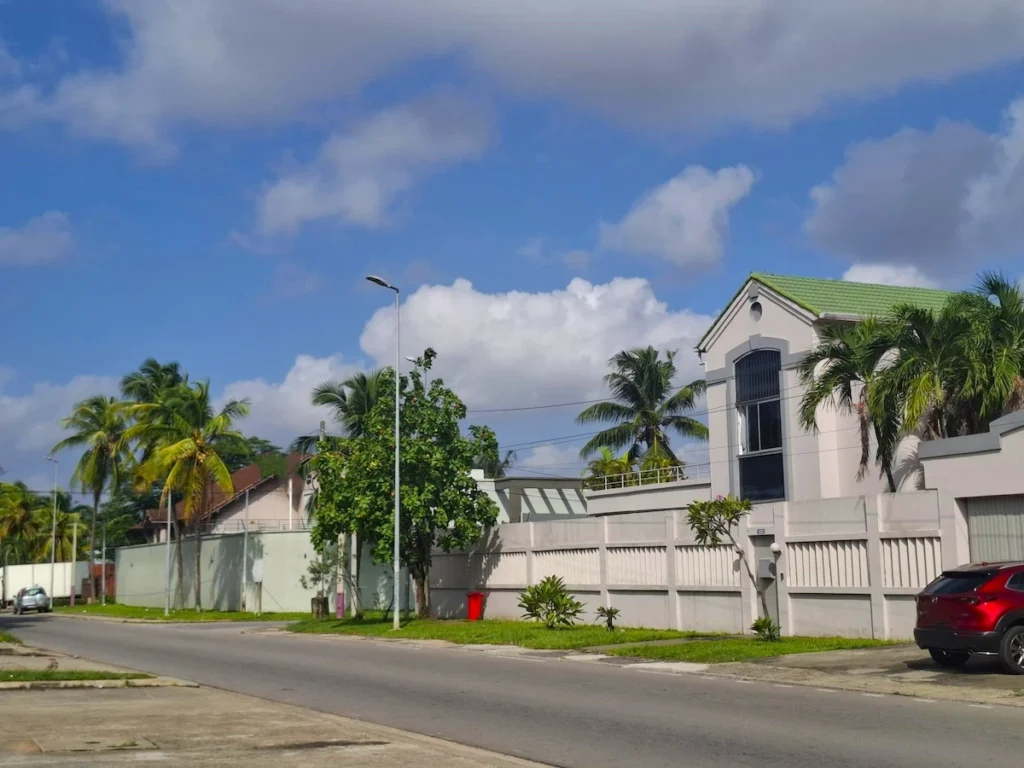
Riviera 3 stands out for its recent developments and higher‑end housing. Properties are modern, often equipped with swimming pools and strong security systems. The area offers an active commercial street (Bernard Zadi Zaourou Avenue) and popular spots like Ivoire Golf Club and Dominique Ouattara Urban Park.
- Pros: modern residences, well‑maintained and sought‑after environment
- Cons: higher rental prices and traffic congestion at peak hours
- Budget: between 700,000 FCFA and 2,000,000 FCFA (€1,000–3,500), depending on the property.
🔶 Riviera 4 M’Badon: Modern and More Affordable
Riviera 4 M’Badon offers a large supply of modern apartments, often with swimming pools, at more competitive prices than Riviera 3 or Golf.
- Pros: modern housing and calm neighbourhood with wide avenues
- Cons: further from Marcory and some central districts
- Budget: a 3‑ or 4‑bedroom apartment rents for around 700,000 FCFA (~€1,000).
🔶 Riviera Bonoumin: Close to Shopping Facilities
Located between Riviera Golf and Riviera Palmeraie, Bonoumin is highly appreciated for its proximity to major shopping centres such as Abidjan Mall, Cap Nord, and Chic Shop.
- Pros: easy access to shopping, more local, everyday feel
- Cons: heavy traffic at certain times of the day
- Budget: around 500,000 FCFA (~€750) for an apartment.
🔶Deux Plateaux: Commercial Heart of Cocody
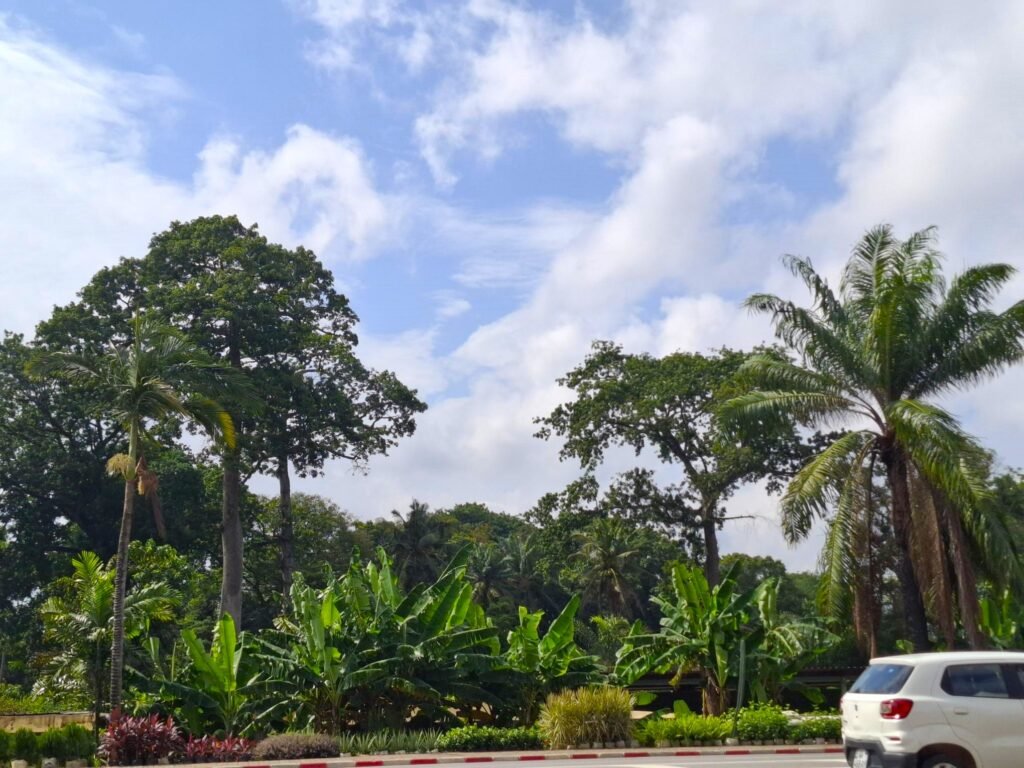
Deux Plateaux perfectly blends residential areas with lively urban life. The neighbourhood is packed with restaurants, cafés, gyms, spas, embassies, and international organisations.
- Pros: wide housing options and excellent infrastructure and services
- Cons: significant traffic during rush hours and some noisy streets
- Budget: from 600,000 FCFA (~€915) for an unfurnished apartment.
Marcory: Urban Life and Dining Scene
Marcory enjoys a strategic location between the Rivieras and Abidjan’s international airport. It’s a vibrant neighbourhood with cafés, restaurants, and a strong nightlife scene.
- Pros: excellent restaurant and café options and good accessibility
- Cons: noise and traffic congestion and very lively streets such as Rue du Canal
- Budget: between 700,000 and 1,000,000 FCFA (€1,000–1,500), depending on the standard.
Angré and Attoban: Fast‑Growing Residential Areas
Angré and Attoban are among Abidjan’s most dynamic neighbourhoods. Popular with young professionals and the Ivorian middle class, they offer schools, clinics, shops, and modern housing developments.
- Pros: more affordable rents and lively, expanding areas
- Cons: heavy traffic towards Cocody and Plateau at peak hours
- Indicative budget: a 3‑bedroom house from 600,000 FCFA per month.
Housing Prices in Abidjan
Rental prices vary widely depending on neighbourhood and amenities.
Additional costs to keep in mind:
- +200,000 FCFA for a furnished apartment
- +200,000 FCFA for a swimming pool
| Property Type | Mid-range areas (Angré, Attoban, Bonoumin) | Premium Areas (Rivieras, Marcory, Deux Plateaux) |
| Studio/F1 | 400 000 FCFA (610 €) | 600 000 FCFA (914 €) |
| 2 bedroom unfurnished | 500 000 FCFA (762 €) | 500 000 FCFA – 700 000 FCFA (762 € et 1067 €) |
| 3 bedroom unfurnished | 600 000 FCFA (914 €) | 600 000 FCFA – 800 000 FCFA (914 € et 1219 €) |
| 4 bedroom furnished | 700 000 FCFA (1067 €) | 900 000 FCFA – 1 200 000 FCFA (1372 € et 1829 €) |
| Villa | 800 000 FCFA (1219 €) | 1 000 000 FCFA – 3 000 000 FCFA (1524 € et 4573€) |
Where to Find Long‑Term Rentals in Abidjan
-
- Local platforms: CoinAfrique, AbidjanNet, CarolineImmo (always cross‑check listings)
- On‑the‑ground methods: word of mouth (extremely effective in Abidjan), walking around neighbourhoods and asking building guards and going with a local contact to avoid “expat pricing”
Signing a Lease Safely in Abidjan: Anti‑Scam Checklist
- Make sure you sign with the actual property owner, or with a licensed agency authorised by the owner
- Be cautious of unauthorised sub‑rentals (common in a very active market)
- Always visit the property before paying anything
- Carry out a detailed inventory check before signing
- Insist that any agreed repairs are completed before the contract is signed
- Lease contracts can be signed and notarised at the local municipality. Registration fees normally include: 2.5% of the total rent amount for the lease duration, 500 FCFA fiscal stamp and administrative fees of around 1,000 FCFA. More info on Ivory Coast portal.
Final Thoughts
Deciding where to live in Abidjan is one of the most important steps for a successful relocation. The best neighbourhood is not necessarily the most prestigious one — but the one that fits your daily routine, commute, and lifestyle.
And you? Which neighbourhood of Abidjan are you considering? I’d love to read your thoughts in the comments.
❓ FAQ Where to live in Abidjan
🔶 Where do expats live in Abidjan?
Most expatriates in Abidjan live in Cocody, particularly in neighbourhoods such as Riviera Golf, Riviera 3, Riviera 4 M’Badon, Deux Plateaux, and Bonoumin. These areas are popular because they offer better infrastructure, security, and easier access to offices, international schools, supermarkets, and restaurants.
🔶 Is Abidjan a good city to live in?
Yes, Abidjan offers a high quality of life for many expatriates, with modern infrastructure, a strong economy, and a vibrant cultural and food scene. However, traffic congestion and housing costs can be challenging, making neighbourhood choice essential for a comfortable daily routine.
🔶 Is Abidjan safe for foreigners?
Abidjan is generally safe for foreigners, especially in residential and well‑known neighbourhoods such as Cocody, Rivieras, Deux Plateaux, and parts of Marcory. As in any large city, basic precautions are recommended, particularly at night and in unfamiliar areas.